Baigou: China's Bag and Luggage Capital — A Guide to Importing from It to Saudi Arabia
Dec 18, 2025
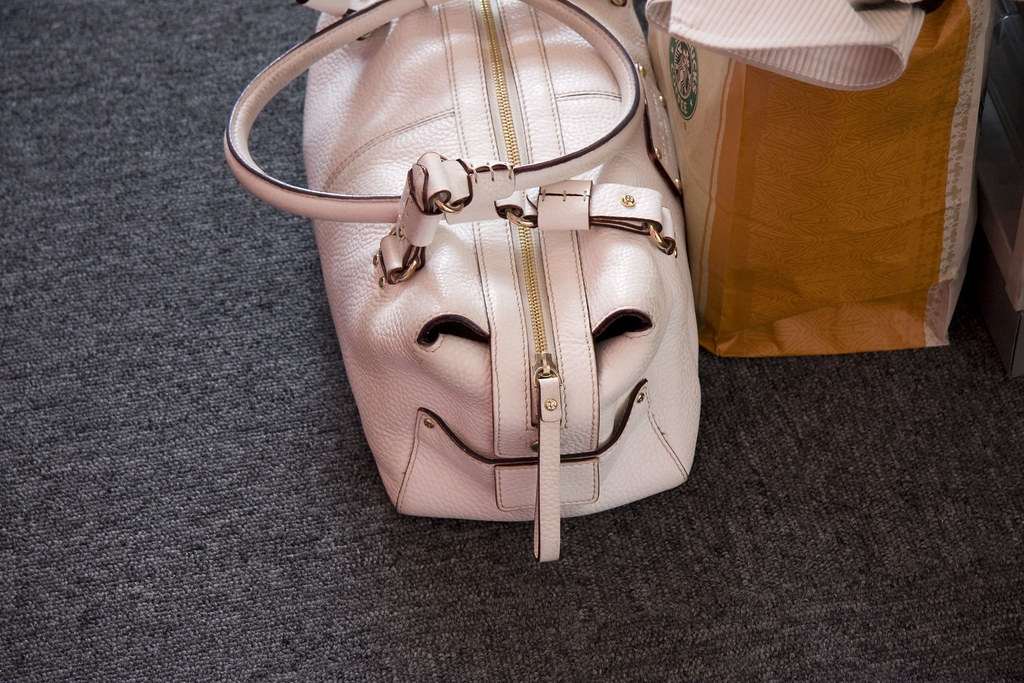
If your business is bags — women's handbags, school backpacks, or luggage — there is one name you need to know well: Baigou. This town under Baoding city in Hebei province, roughly an hour and a half south of Beijing, is China's largest bag-manufacturing cluster and one of the biggest in the world, with thousands of factories and workshops producing hundreds of millions of pieces a year. Yet few Gulf traders know it, buying their bags instead through Guangzhou and Yiwu middlemen at higher prices. This guide opens the door to the source itself.
Why Baigou Specifically
Baigou's bag-making history goes back decades, and it has accumulated a complete supply chain in a compact area: fabric and PU-leather mills, suppliers of zippers, handles, and metal hardware, cutting and stitching workshops, and huge wholesale complexes such as the Baigou International Bag Trading Market. That concentration produces prices that are hard to beat: a school backpack at approximately USD 2–7 (SAR 8–25) ex-factory, a mid-grade women's handbag at approximately USD 3–11 (SAR 12–40), and a three-piece luggage set at approximately USD 24–67 (SAR 90–250) depending on shell material and wheels.
What Baigou Produces
- Women's handbags: PU leather in fast-refreshing, fashion-driven collections.
- Backpacks and school bags: one of the town's biggest specialties, across every quality tier.
- Luggage: hard-shell trolleys (ABS and PC) and soft fabric cases.
- Men's bags and wallets: laptop bags, crossbody bags, leather-look wallets.
- Sports bags, waist bags, and high-volume promotional giveaway bags.
How to Buy from Baigou in Practice
You have three routes. First, off-the-shelf buying from wholesale showrooms — fastest, suited to medium quantities, with low MOQs (sometimes 50–100 pieces per model). Second, OEM production under your own brand directly with factories, with MOQs of approximately 300–500 pieces per model including your logo, labels, and packaging. Third, remote buying through an on-the-ground verification and negotiation agent — the practical option if you would rather not travel to northern China, especially since English is limited in the town and business runs largely in Chinese.
Quality: Where Traders Win or Lose
Baigou produces everything from very poor to excellent, and price alone will not tell you where you stand. Always check: zipper quality (specify known brands such as SBS or YKK for higher tiers), stitching strength at stress points, PU thickness and its resistance to peeling in Gulf heat, and — for luggage — wheel and telescopic-handle durability under a full-weight pull test. Commission a pre-shipment inspection with random sampling; quality variation inside a single order is one of this category's most notorious problems.
Shipping and Compliance to Saudi Arabia
Baigou's nearest seaport is Tianjin, from which sea freight takes approximately 25–35 days to Jeddah Islamic Port or King Abdulaziz Port in Dammam, with LCL consolidation available for less-than-container volumes. Bags are a relatively low-complexity category regulation-wise: they go through the usual conformity process with SABER platform registration, customs duty of approximately 5–15% depending on classification, and 15% VAT. Steer well clear of counterfeit branding — fake designer bags are seized at Saudi customs and can expose you to liability.
The golden rule of Baigou: the difference between a bag that peels in two months and one that lasts two years can be less than a dollar of cost. Always pay it — your store's reputation is worth more.
Common Mistakes
- Buying remotely from photos without physical samples you can handle and test.
- Choosing the cheapest PU leather, which cracks in hot Gulf warehouses.
- Neglecting packing details, so bags arrive creased and scuffed.
- Comparing Baigou's price with a Guangzhou middleman's without accounting for inland freight from the north.
Want source-level prices without the trek to northern China? The Terrace International field team based in Guangzhou and Shenzhen covers manufacturing clusters across all of China, Baigou included — verifying factories, negotiating in Chinese, inspecting quality piece by piece before shipment, and managing freight to your port. Message us and launch your own bag line with confidence.