Building Your Own Private Brand with China Manufacturing
May 12, 2026
The difference between a seller who resells ready-made products and a real brand owner is the difference between thin margins and brutal price competition, versus value that compounds over time. Manufacturing in China under your own private label is the path thousands of successful Gulf brands took on Salla, Amazon.sa, and Noon. Here is how to build it properly.
Private Label vs. Generic Product
With a generic product, you buy what already exists in the market and others sell it too, so competition comes down to price alone. With a private label, you take an existing or improved product and add your name, logo, packaging, and sometimes tweaks to design or specifications. The result: a product no one can sell in the same form, and a customer base tied to your name rather than your price.
When Should You Start a Private Label?
Usually not on day one. The smarter move is to test the product first in small generic quantities to confirm demand in the Saudi market, then invest in the private label once the numbers prove out. This protects you from freezing your capital in unsold inventory.
Choosing the Right Product and Factory
Start with a product whose market you understand, with clear demand and a margin that allows investment in packaging and marketing. When choosing a factory, distinguish between:
- Factory: produces directly, better prices and more control over specs, but higher minimum order quantity.
- Trading company: more flexibility and lower minimums, but an added margin and less control.
Always request a sample before any commitment, and inspect its quality yourself or through an on-the-ground inspection team in China. Never build a brand on a product you have never touched.
Minimum Order Quantity (MOQ) and Packaging
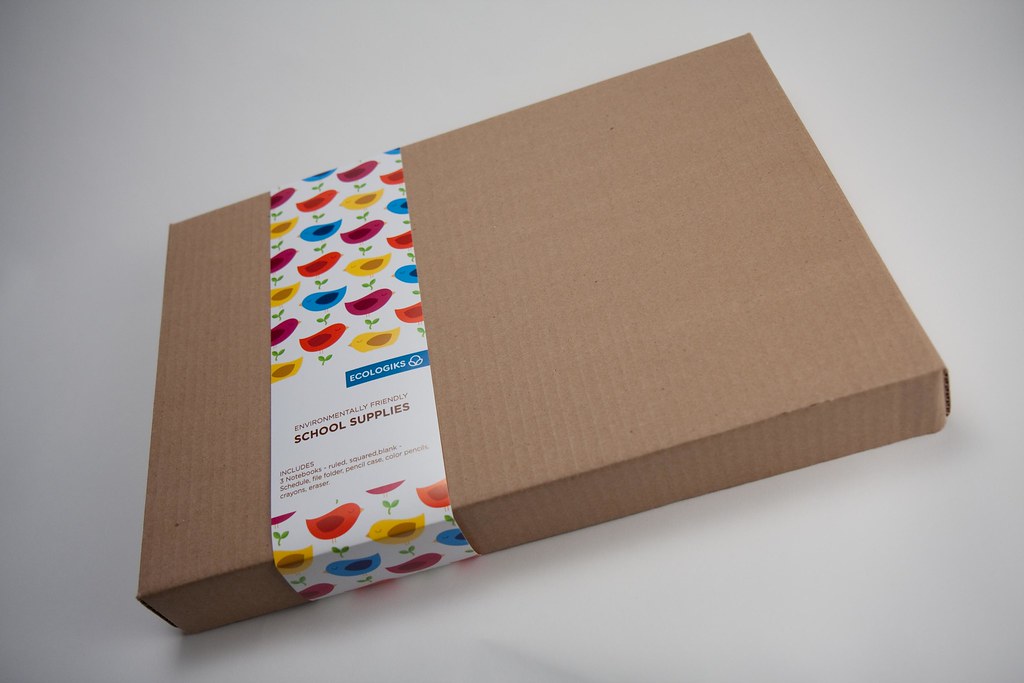
The biggest obstacle for beginners is the minimum order quantity. Many factories require 500 to 1,000 units for a custom order. This can often be negotiated down, especially if you only use custom packaging (a box and label with your name) without modifying the product itself. Plan packaging early: the design, Arabic language on the box, and the product-data requirements Saudi authorities demand.
Visual Identity and Local Specifications
Make sure the packaging carries Arabic-language data, importer information, and any required certifications (such as a SABER certificate for some categories). These are not minor details; they are conditions for your product to legally enter the Saudi market.
Protecting Your Brand
Before you pour a large marketing budget in, register your trademark with the Saudi Authority for Intellectual Property (SAIP). This protects you from a competitor copying your name after you build it. Also agree with the factory in writing on ownership of the design and any molds, so they don't sell your branded product to others.
A brand is not a logo on a box; it is a consistent promise to the customer, repeated with every order. Make quality, packaging, and delivery part of that promise.
Build Your Brand with Terrace International
At Terrace International, we help you turn your idea into a real brand: we verify factories in Guangzhou, negotiate MOQ and packaging, inspect samples and production before shipment, and coordinate custom branded packaging with consolidated shipping to Saudi Arabia. Contact us to begin your brand journey with confidence.