Paying Chinese Suppliers in CNY and Hedging Currency Risk
Oct 03, 2025
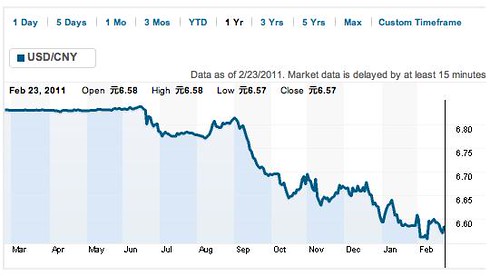
Most Saudi importers pay their Chinese suppliers in US dollars without a second thought, because the dollar is the default currency of world trade. Hidden inside that habit are both a negotiating opportunity and a price risk: your Chinese supplier also carries yuan-dollar exchange risk, and prices that risk into the quote without telling you. Understanding the currency game can add one or two percentage points to your margin on every deal, which is serious money in the import business.
The Saudi Importer's Built-In Advantage: The Dollar Peg
The Saudi riyal has been pegged to the US dollar at an effectively fixed rate for decades, as have most Gulf currencies, with the Kuwaiti dinar pegged to a basket instead. In practice this means paying in dollars exposes you to no real riyal-dollar risk; your exposure is concentrated in the relationship between the dollar and the Chinese yuan. Importers in many other countries would envy this position, but it does not eliminate risk entirely: when the yuan moves, Chinese suppliers adjust their dollar quotes in the next round of offers.
Why a Supplier May Discount for CNY Payment
When a Chinese factory quotes in dollars, it adds a safety cushion to cover exchange movements until it receives your payment and converts it to yuan, plus internal banking costs. Offer to pay in CNY directly and that risk disappears from the supplier's calculation. Many suppliers will accept a discount of approximately 1% to 3% in exchange. On a SAR 1,000,000 order, that is a potential saving of roughly SAR 10,000 to 30,000 simply by changing the invoice currency. Always ask for two quotes, one in USD and one in CNY, and compare them after accounting for your bank's conversion spread.
How to Send CNY from Saudi Arabia
Major Saudi banks support CNY transfers over the SWIFT network, typically routed through China's Cross-Border Interbank Payment System, known as CIPS, or via correspondent banks in Hong Kong. What to verify in practice:
- That the supplier's beneficiary account is enabled to receive yuan from abroad; not every Chinese corporate account is.
- The exchange rate and spread your bank applies to CNY; differences between banks can quietly eat part of the discount you negotiated.
- International transfer fees, typically approximately SAR 50 to 150 depending on the bank and channel.
Simple Hedging Tools for Importers
You do not need a treasury department to manage currency risk. A few practical instruments cover most needs:
- Forward contracts: lock in a CNY or USD exchange rate for a future date through your bank, ideal when you sign a large contract payable in instalments over several months.
- Payment timing: splitting purchases into staged payments rather than one large transfer smooths out short-term volatility.
- A price-review clause: agree in writing with your supplier that prices are only revisited if the yuan moves beyond a set threshold, for example 3%, protecting both sides from shock adjustments.
- A pricing buffer: build a small percentage into your local selling price to absorb currency movement between order and arrival, especially since sea freight to Saudi ports takes approximately 18 to 30 days.
Golden rule: always request quotes in both USD and CNY and negotiate the gap between them. A supplier who offers no discount at all for being paid in his own currency was probably overcharging you for exchange risk from the start.
Common Currency Mistakes
- Comparing two suppliers where one quotes in dollars and the other in yuan without converting both at the same day's rate.
- Ignoring yuan movement between contract signature and the final balance payment on long production lead times.
- Using informal transfer channels or personal accounts to save small fees, a compliance and commercial risk that is never worth it.
- Forgetting that customs duty of approximately 5% and 15% VAT are assessed on the riyal value, so exchange movements also change your tax base.
The Bottom Line
Payment currency is not an accounting detail; it is a negotiating card and a margin-protection tool. Use the stability of the riyal-dollar peg, open the CNY conversation with your suppliers, and lock rates on large deals instead of leaving your margin hostage to the market.
If you want someone negotiating price, currency and payment terms with the factory as one package, Terrace International and its field team in Guangzhou and Shenzhen manage sourcing, negotiation, inspection and shipping end to end, and know how to extract the discount smart payment deserves. Message us before you confirm your next quote.