Central Procurement from China for Saudi Restaurant and Cafe Chains: Outfitting Branches for Less
Jan 21, 2026
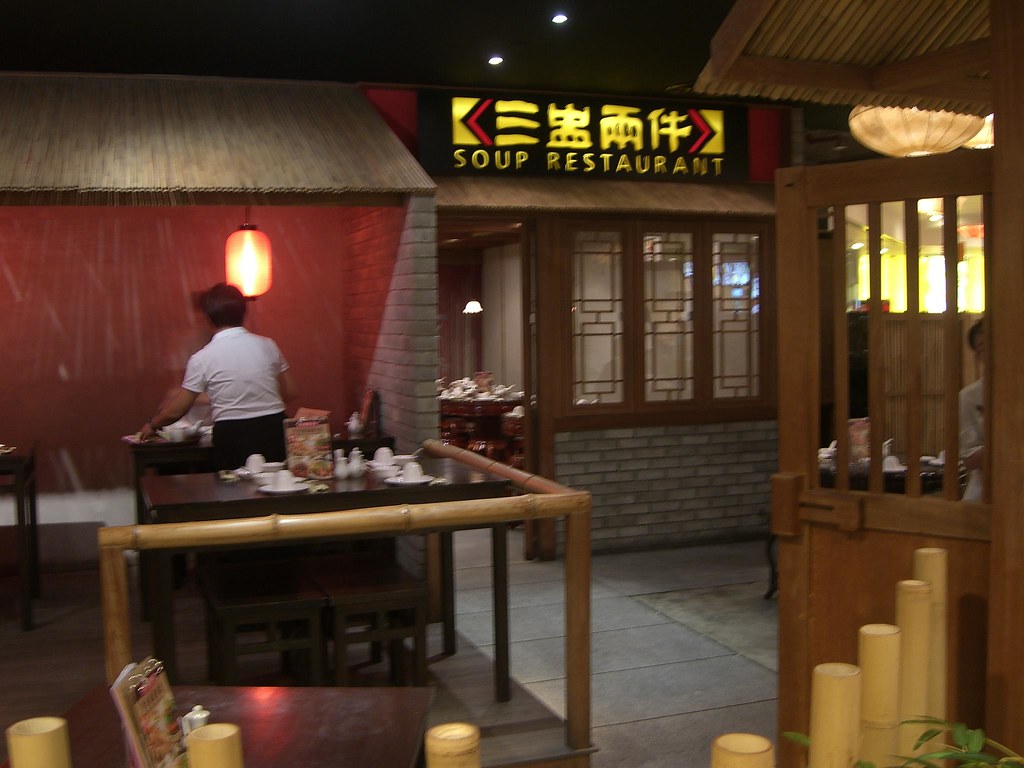
Saudi Arabia's restaurant and cafe market is expanding at an unprecedented pace: local brands open new branches every few months, and the specialty coffee concept has grown into a full industry. But behind every new branch sits a heavy fit-out bill: kitchen equipment, furniture, tableware, packaging, and signage. Chains that buy these needs from local distributors branch by branch often pay double what a chain running central procurement from China pays across all its locations. This guide explains how to build that system, what to buy from where, and which requirements you can never ignore.
Why Central Procurement Instead of Branch-by-Branch Buying?
- Direct price savings: ordering equipment and furniture for ten branches at once from the factory unlocks true wholesale pricing — savings versus local distributors often range from roughly 30% to 60% on many items.
- Brand consistency: identical chairs, tables, cups, and packaging in every branch — nearly impossible to guarantee with scattered purchasing.
- Faster spares and replacement: a central reserve stock of breakage-prone and consumable items serves all branches.
- Compounding negotiating power: your direct factory relationships improve with every expansion order.
The Sourcing Map: What to Import from Which City
- Commercial kitchen equipment: ovens, commercial refrigeration, prep lines, fryers, and grills — Guangdong factories, especially in Foshan and Guangzhou, form one of the world's largest hubs.
- Furniture and interior fittings: Foshan is the capital of commercial furniture: chairs, tables, seating, and decor at competitive prices across graded quality levels.
- Tableware: ceramics and porcelain from Chaozhou and Zibo, stainless steel from Jiangmen and the wider Guangdong region, and specialty coffee tools from factories serving global brands themselves.
- Packaging and paper cups: packaging plants in Guangdong and Zhejiang print with your logo at reasonable minimum orders — a line item that quietly drains chains monthly when bought locally at retail prices.
- Signage and lighting: Shenzhen and Guangzhou for signs, commercial lighting, and display screens.
Compliance and Certificates: A Red Line in Food Service
The food sector is more sensitive than most, so never compromise on:
- SABER and SASO: conformity certificates are mandatory for electrical equipment, furniture, and other categories before customs clearance.
- Food-contact material safety: tableware and packaging must be made of food-safe materials backed by documented test certificates — an area actively monitored by the Kingdom's regulators.
- Electrical equipment: confirm voltage and plug compatibility with Saudi specifications, plus energy-efficiency requirements where applicable.
- Civil Defense requirements: branch fit-outs must meet safety conditions to obtain operating licences, so choose materials and equipment that help you pass, not ones that hold you back.
Costs and Timing: Plan Well Ahead of Opening Day
Sea freight from China to Jeddah or Dammam takes approximately 18 to 30 days. Add manufacturing lead time — usually 15 to 45 days depending on the item and customisation — then clearance and inland transport. The practical rule: start the procurement cycle at least three to four months before a branch's planned opening. Build customs duty of around 5%, 15% VAT, clearance, and inland transport into your budget, and you will find the savings remain substantial even after every line item — especially on furniture, packaging, and tableware.
Golden rule: a successful chain buys for its next expansion, not just its current branch — save on the fit-out so you can spend on quality and marketing where the customer actually sees you.
Common Mistakes in Chain Procurement
Buying cheap equipment for high-intensity locations, then watching it fail at peak season; ignoring voltage and plug compatibility; importing tableware without food-safety certificates; forgetting to order spare parts and breakage reserves with the original shipment; and planning timelines so tight that a single week of shipping delay postpones an entire opening. Equipment your daily operation stands on deserves a factory quality inspection before shipment — not a surprise after arrival.
At Terrace International we act as an external procurement office in China for Saudi restaurant and cafe chains: our field team in Guangzhou and Shenzhen visits the factories, negotiates volume pricing, inspects equipment and furniture before shipping, and coordinates deliveries around your branch-opening schedule. Talk to us before your next expansion and let us shrink its fit-out bill.