The Complete Guide to Importing from China to Qatar
Feb 10, 2026
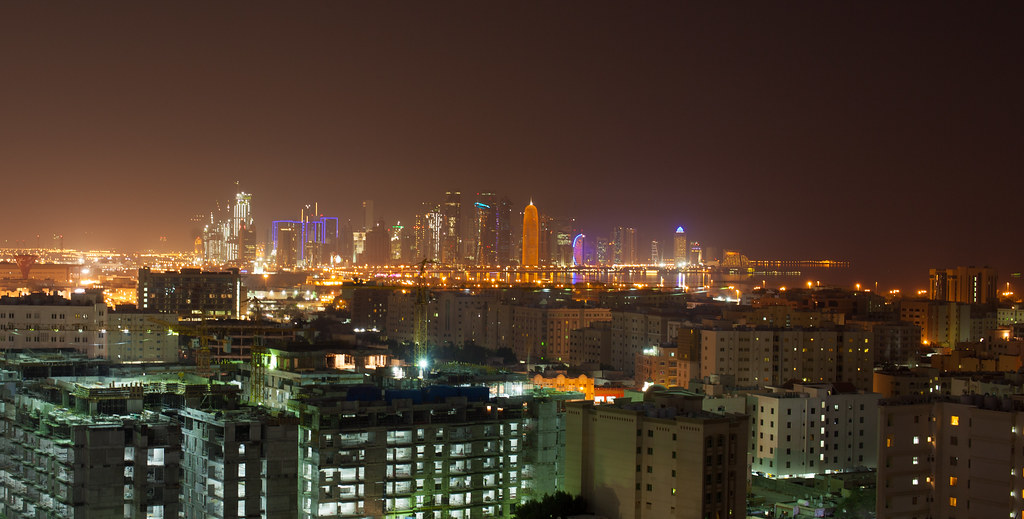
Qatar has one of the highest per-capita incomes in the world, and its consumer market is small in volume but excellent in margin for importers who choose products intelligently. Since Hamad Port opened, Qatar has transformed from a market dependent on transshipment through neighbouring ports into a direct maritime gateway receiving regular services from Chinese ports. Ongoing infrastructure programs, a vibrant hospitality and restaurant sector, and growing e-commerce all open clear opportunities for the China importer. This guide maps the route step by step.
Why Qatar Rewards Specialization
High purchasing power means Qatari consumers buy quality before price, and hotels, restaurants, and cafés (the HORECA sector) purchase equipment and supplies continuously at demanding specifications. Promising categories include restaurant and hotel equipment, premium furniture and finishing materials, electronics, event supplies, and lifestyle products. Competition is thinner than in the region's larger markets, but this market rewards the specialist and exhausts the seller of everything.
Import Requirements in Qatar
- Commercial registration: a company registered with the Ministry of Commerce and Industry with import/trading activities, plus a tax card and Qatar Chamber membership.
- Customs importer file: registration with the General Authority of Customs to clear shipments through the electronic clearance system (Al Nadeeb).
- Core documents per shipment: commercial invoice, packing list, bill of lading, and certificate of origin, attested as required.
- Standards and conformity: regulated goods (electricals, toys, building materials) must meet the applicable Qatari and Gulf (GSO) standards; food falls under Ministry of Public Health requirements with correct Arabic labeling; wireless devices need approval from the competent communications regulator.
Duties and Taxes
- Customs duty: approximately 5% on most goods under the GCC common tariff, with higher rates on a few categories and exemptions for certain essentials.
- VAT: Qatar has not implemented VAT to date, which hands the importer extra margin compared with several other Gulf markets — though you should monitor developments.
Shipping: Hamad Port Changed the Equation
Hamad Port, south of Doha, is among the region's newest ports and receives direct services from major Chinese ports (Shanghai, Ningbo, Shenzhen, Guangzhou/Nansha) with transit times of approximately 20-30 days depending on the service and routing, alongside transshipment options via Jebel Ali or Sohar when schedules suit better. For urgent, high-value cargo, Hamad International Airport offers one of the strongest air cargo networks in the world through Qatar Airways Cargo, with 3-7 day door timelines from China including handling. The practical rule: sea for bulk and weight, air for urgency and value.
Common Mistakes When Importing into Qatar
- Sizing orders with big-market logic: a quantity right for Riyadh is wrong for Doha; start with test quantities and reorder fast.
- Neglecting Arabic labeling and conformity certificates: especially for electricals, food, and personal care products.
- Ignoring port and storage costs: slow container pickup stacks up demurrage that eats the margin.
- Relying on one supplier with no field inspection: photos and a first sample do not protect you from quality drift in mass production.
- Pricing without an inventory plan: in a small market, capital stuck in slow stock is more dangerous than any competitor.
Practical Tips for the Qatar Importer
Build a focused assortment serving a clear segment instead of spreading thin; use LCL consolidation early on to test multiple products in one container; write your product specification into the purchase contract line by line (material, dimensions, packaging, certificates); and always commission a pre-shipment inspection no matter how much you trust the supplier — its cost is trivial next to a defective shipment crossing the ocean.
Golden rule: in small, high-income markets, consistent quality builds a brand faster than any advertising — one bad shipment in Doha is known to the whole market.
From our field offices in Guangzhou and Shenzhen, the Terrace International team handles factory selection, negotiation, pre-shipment quality inspection, certification, and freight through to Hamad Port. Share your next plan with us and let our team in China secure sourcing worthy of Qatar's market and its consumers.