Jeddah Islamic Port vs King Abdulaziz Port in Dammam: Which Should Importers Choose?
Feb 06, 2026
One of the first questions every new Saudi importer asks when booking a sea shipment from China is deceptively simple: should my cargo arrive at Jeddah Islamic Port on the Red Sea, or at King Abdulaziz Port in Dammam on the Arabian Gulf? There is no single right answer, because the correct choice depends on where your warehouse sits, what you are importing, and which shipping lines serve your route. Getting it wrong can add days to your transit time and hundreds of riyals per container in unnecessary trucking, so the decision deserves real analysis before you sign the bill of lading.
The Two Ports at a Glance
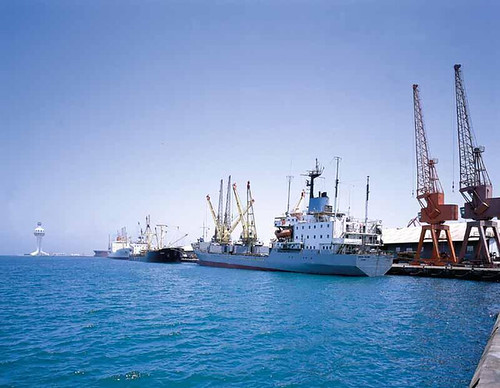
Jeddah Islamic Port is the largest and busiest port in the Kingdom, handling the majority of Saudi container imports. It serves the entire Western Region — Jeddah, Makkah, Madinah, and Taif — and sits directly on the global Asia–Europe trade lane through the Red Sea, which means excellent direct-service coverage from Chinese ports. King Abdulaziz Port in Dammam is the gateway to the Eastern Province, serving Dammam, Khobar, Jubail, and Al-Ahsa. It is also the closest seaport to Riyadh and is connected to the capital by a freight railway that runs to the Riyadh dry port.
Transit Times from China
Cargo from major Chinese ports such as Shanghai, Ningbo, Shenzhen, and Guangzhou typically arrives in Saudi Arabia within approximately 18 to 30 days, depending on the carrier, routing, and number of transshipment stops:
- To Dammam: the route through the Strait of Hormuz is often shorter for direct services, with transit times of roughly 18 to 25 days.
- To Jeddah: vessels cross the Indian Ocean and pass Bab el-Mandeb, with transit times of roughly 20 to 30 days — but Jeddah often has more direct sailings because it is a major global transshipment hub.
These figures are approximate and shift with seasons and carrier schedules. Always compare live quotations from more than one line before booking, and never assume one port is faster in every case.
Inland Transport: The Deciding Factor
Ocean freight rates to the two ports are usually close; it is the inland leg that tips the balance. The practical rule: choose the port nearest to your final storage or selling point.
- Warehouse in Jeddah, Makkah, or Madinah? Jeddah Islamic Port is the obvious choice — short, inexpensive trucking.
- Warehouse in Dammam, Khobar, or Jubail? Dammam saves you well over 1,300 kilometres of road freight compared with Jeddah.
- Warehouse in Riyadh? Dammam is about 400 kilometres away versus roughly 950 kilometres from Jeddah, so Dammam usually wins on trucking cost — and the rail option to the Riyadh dry port can cut the cost of full containers even further.
Congestion and Clearance Speed
Jeddah's huge volumes come with world-class container terminals, but the port can experience pressure during peak seasons such as pre-Ramadan, the Eid periods, and back-to-school. Dammam handles lower volumes and can offer quicker turnaround at certain times of year. In practice, however, clearance speed depends far more on your paperwork than on the port itself: complete SABER certificates, accurate commercial invoices, and a clean bill of lading clear quickly anywhere, while a shipment with missing documents will sit in either port.
Comparing Total Landed Cost
When weighing the two options, never look at the ocean freight rate alone. Build the full cost to your warehouse door:
- Ocean freight from the Chinese port to the Saudi port.
- Port handling charges and storage fees, which grow with every day of delay in pulling the container.
- Customs duty (around 5% for most goods, varying by HS code) and 15% VAT — identical at both ports, so they do not affect the choice.
- Trucking or rail to your warehouse — the line item that differs most between the two options.
Golden rule: the best port is not the one closest to China — it is the one closest to your customer. Calculate cost to the warehouse door, not to the quay.
Common Mistakes When Choosing a Port
The patterns we see most often: a Riyadh-based trader routing everything through Jeddah simply because the Chinese supplier is used to it, paying needlessly high trucking; an importer booking the cheapest ocean rate without checking that it involves a long transshipment routing that adds a week or more; and buyers who fail to pre-book inland trucking, letting port storage charges pile up while they search for a carrier. Plan the whole journey from the factory floor in China to your warehouse shelf before you pay a single riyal.
At Terrace International we manage the journey end to end: our field team in Guangzhou and Shenzhen handles sourcing, negotiation, and pre-shipment inspection, while our logistics side selects the right port, routing, and inland leg for your location and cargo. Get in touch and we will design a shipping plan that cuts your total landed cost from the very first container.