NNN Agreements: Protecting Your Product Idea When Manufacturing in China
Sep 29, 2025
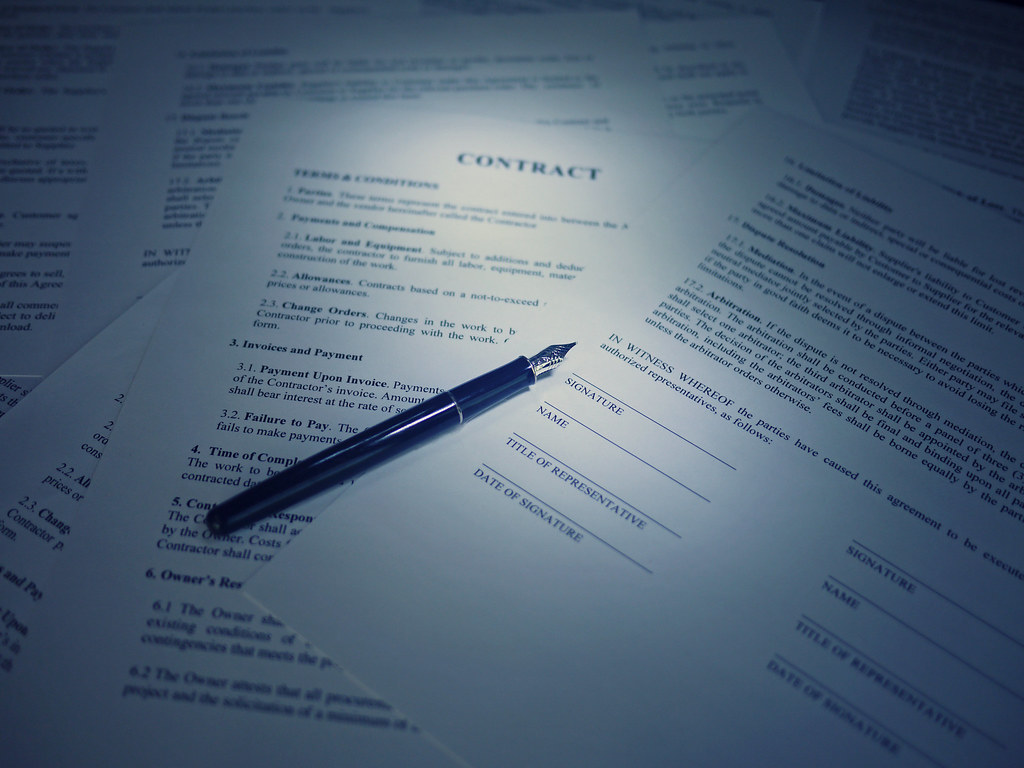
The story repeats itself constantly: a Gulf trader develops a distinctive product or a custom design, sends specifications and drawings to a Chinese factory for a quotation, and months later finds his product listed on global marketplaces at a lower price, or worse, discovers the factory selling it to his competitors in the Saudi market. The painful part is that many believed they were protected because they signed an NDA copied from an American template found online. In reality, such agreements are close to worthless in China. The correct instrument is the NNN agreement, designed specifically for this problem.
Why a Standard NDA Is Not Enough
A Western NDA addresses a single risk: disclosure of secrets to third parties. But the real danger with a factory is not that it leaks your information; it is that the factory itself uses it to make your product and compete with you. Moreover, an agreement drafted under US or English law with foreign court jurisdiction is practically unenforceable against a Chinese company whose assets all sit inside China: you would need a foreign judgment first, then attempt recognition and enforcement there, a long, expensive and uncertain road.
The Three Ns in Practical Terms
- Non-Disclosure: the factory may not reveal your specifications, drawings or bills of materials to any third party.
- Non-Use: the most important clause, forbidding the factory from using your information to manufacture for its own account or for other customers, even without disclosing anything to anyone.
- Non-Circumvention: the factory may not bypass you to sell directly to your customers, your distributors or into your market, protecting your commercial relationships and not just your data.
Terms That Make the Agreement Genuinely Enforceable
The real value of an NNN agreement comes from drafting it so a Chinese factory takes it seriously:
- Chinese governing law: draft under Chinese law with jurisdiction in a Chinese court at the factory's location, or arbitration inside China, so enforcement is fast and realistic.
- Chinese language controls: the Chinese version should be the governing text, or at minimum equally binding, because Chinese courts work in their own language.
- Pre-agreed contract damages: a clause fixing an agreed compensation amount per breach gives the court a clear, quick basis for judgment and makes the legal threat credible.
- Legal name and official company seal: sign using the factory's registered Chinese legal name together with the official red company chop; without the chop, the agreement's validity can be disputed.
- Coverage of affiliates: wording that extends to the factory's branches, sister companies and subcontractors.
When You Need an NNN and When You Do Not
If you are buying a generic catalogue product exactly as the factory already makes it, you hold no secret worth protecting and the agreement is dead weight. But if you are developing a custom design, sharing engineering drawings, moulds or formulations, or building a brand you intend to grow, the agreement is essential, and it must be signed before any sensitive detail is sent, not after production has started. Professional drafting by a China-specialised law firm typically costs approximately USD 2,000 to 6,000, trivial next to losing your product entirely.
Golden rule: sign a Chinese-law NNN agreement, stamped with the official company chop, before you send the first drawing or specification. Information that leaves without protection cannot be pulled back by any later contract.
Practical Measures That Complete the Legal Shield
- Register your trademark in China itself, in addition to registration with the Saudi Authority for Intellectual Property, because China runs on a first-to-file principle and someone else can register your brand before you do.
- Document mould ownership in a separate agreement listing mould numbers and your right to remove them.
- Distribute knowledge: one factory assembles, another supplies the sensitive component, so no single party holds the full picture.
- Share information progressively, only as much as each stage of negotiation genuinely requires.
The Bottom Line
Protecting your idea in China is entirely possible, but the protection is built before the deal, not after the problem. A properly drafted NNN agreement, combined with trademark registration, mould documentation and distributed know-how, turns stealing your product into a losing proposition for any factory that considers it.
When you work with Terrace International, our field team in Guangzhou and Shenzhen deals with factories under their true legal identities and manages negotiation, documentation, inspection and shipping with your interests and your product protected from the first meeting to final delivery. Talk to us before you share your design with any factory.