Pre-Shipment Inspection: What It Is and Why It Saves You Money
Jun 23, 2026
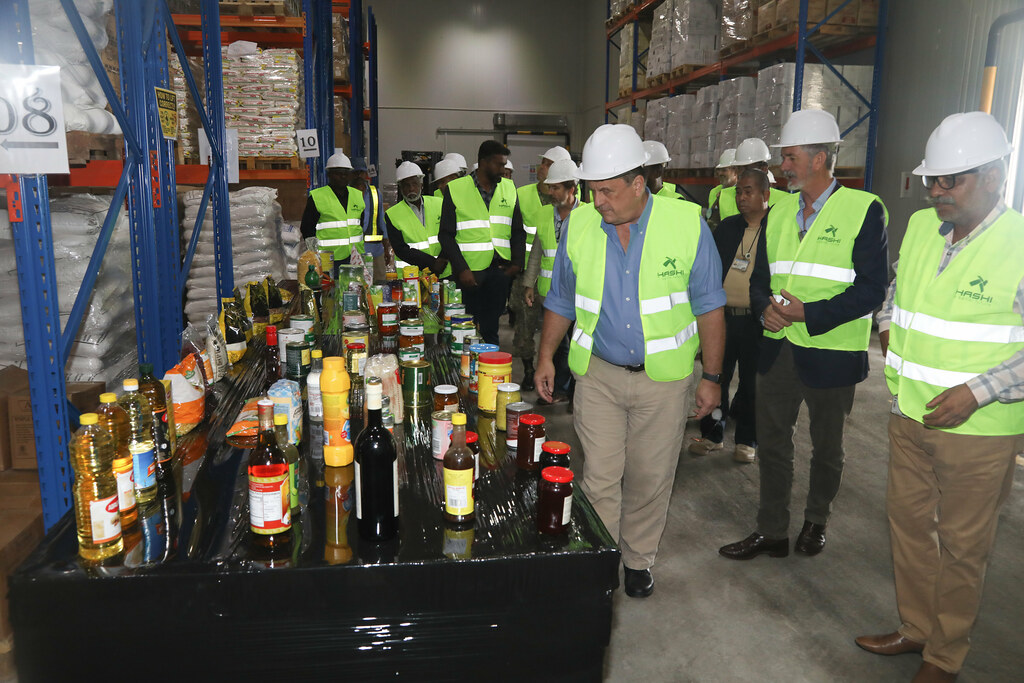
You have paid your supplier, the goods are boxed and ready, and the only thing standing between you and a shipping container is a single decision: do you trust the factory, or do you verify? A pre-shipment inspection (PSI) is the verification step that experienced importers never skip, and it is often the difference between a profitable shipment and a costly write-off.
What a pre-shipment inspection actually is
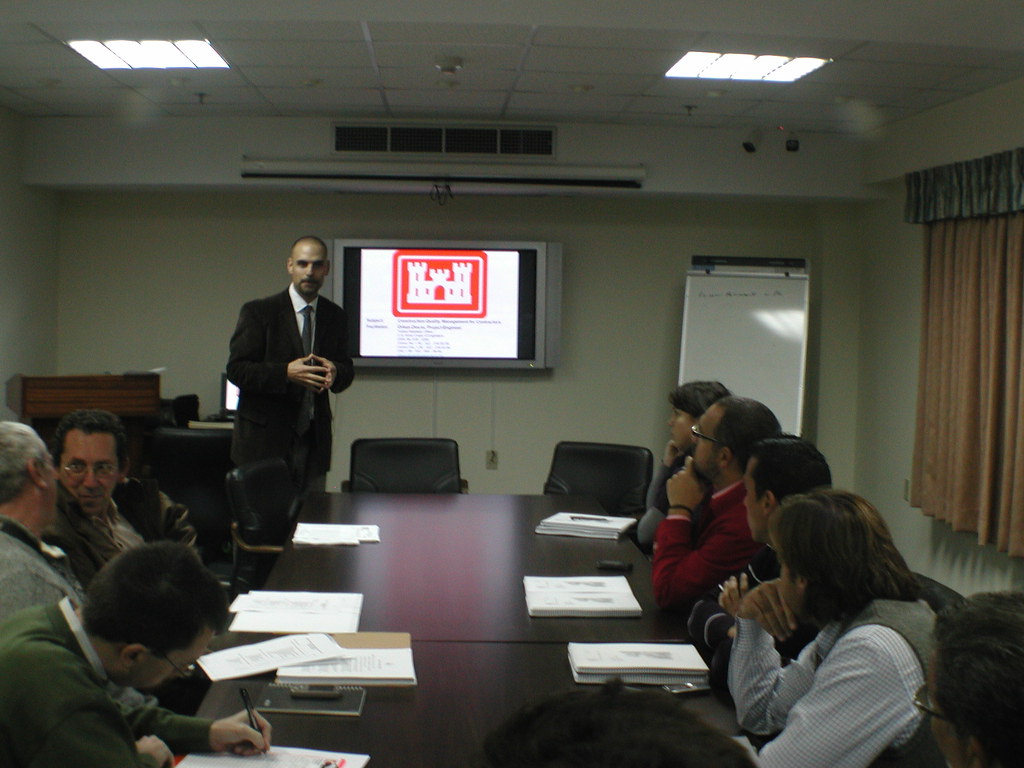
A pre-shipment inspection is a quality check performed when production is 100% complete and at least 80% of the goods are packed, but before the balance payment is released and the container leaves the factory. An independent inspector visits the facility, pulls a random sample, and checks the products against your specifications, the approved sample, and recognized quality standards.
The sampling is not guesswork. Inspectors use the AQL (Acceptable Quality Limit) system based on the ISO 2859 standard. For a typical order this means inspecting a statistically valid sample, for example 200 pieces from a 10,000-unit order, and classifying any issue as a critical, major, or minor defect.
What the inspector checks on the floor
- Quantity and packing: carton counts, units per carton, shipping marks, carton drop tests, and gross and net weights.
- Workmanship and appearance: stitching, welds, paint, scratches, and color consistency against the approved sample.
- Function and safety: on and off tests, load tests, electrical safety, and leak tests, whatever applies to your product.
- Measurements and specs: dimensions, weight, materials, and labeling against your spec sheet.
- Barcodes and markings: readable barcodes, correct country of origin, and any SASO and SABER labeling for the Saudi market.
Why it saves you real money
The math is simple. A pre-shipment inspection in China typically costs between 1,100 and 1,500 SAR per man-day. Compare that to the cost of a failed shipment: ocean freight, customs duties, VAT, port handling, and warehousing, all paid on goods you cannot sell. For a single 40-foot container those sunk costs easily exceed 30,000 to 50,000 SAR before you even count lost sales and damaged customer relationships.
The cheapest defect to fix is the one caught before the goods leave the factory. After the container sails, your leverage drops to almost zero.
There is also a leverage point most importers overlook: timing. Because the inspection happens before your final payment, a failed report gives you a documented, neutral basis to demand rework or renegotiate, while the supplier still holds your goods and you still hold their money.
How to run a PSI the right way
- Book early. Schedule the inspection 3 to 5 days before the planned ship date so there is time to fix problems.
- Send a clear checklist. Provide your spec sheet, approved sample photos, AQL levels, and packaging requirements in advance.
- Define your AQL. A common choice is 0 critical, 2.5 major, 4.0 minor; tighten it for safety-sensitive or premium products.
- Insist on independence. Use a third party that does not also manufacture or trade your goods.
- Decide before you book. Agree in writing with your supplier that a FAIL result means rework at their cost before shipment.
Common mistakes that waste the inspection
- Inspecting too early, when only a fraction of the goods are produced.
- Giving the factory the exact inspection date so they prepare a curated batch.
- Approving a vague sample, so the inspector has nothing concrete to measure against.
- Treating minor defects and critical defects as the same severity.
Verification only works when the people on the floor know what good looks like, and that is exactly what a local team provides. Terrace International has inspectors on the ground in Guangzhou who can visit your factory, run a full AQL inspection, and send you a photo-backed report within 24 hours. Talk to our China team before your next balance payment, and ship with confidence instead of hope.