The Riyadh Dry Port: How It Works and How Importers from China Can Use It
Feb 04, 2026
Many Riyadh-based traders import from China through Dammam or Jeddah, then pay for expensive trucking to move every container to their warehouses in the capital. What some of them do not realise is that Riyadh has its own fully fledged customs facility: the Riyadh dry port, which receives containers by rail from King Abdulaziz Port in Dammam and lets you complete customs clearance inside the capital instead of at the seaport. If you import regularly into Riyadh, understanding this option can change your cost and time calculations entirely.
What Is a Dry Port and How Does It Work?
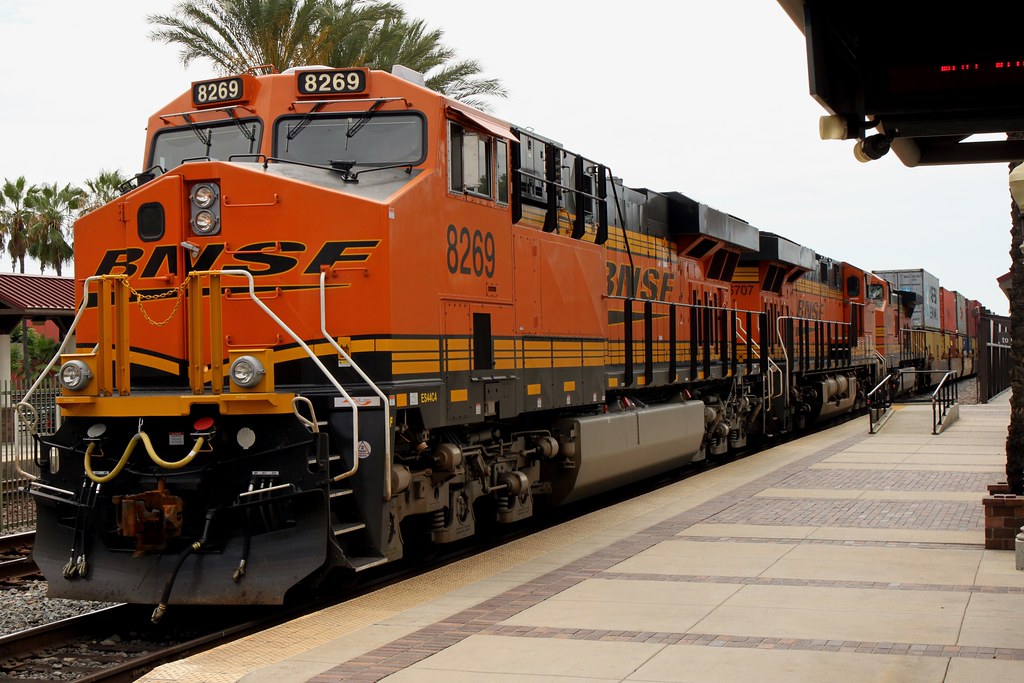
A dry port is an inland container terminal connected to a seaport by rail and operating as its customs extension. In the Saudi case, your vessel from China arrives at Dammam; instead of clearing the container there, it is loaded onto a freight train and moved along the railway network to the Riyadh dry port while still under customs transit status. Clearance, duty payment, and VAT are then handled in Riyadh, and you collect your goods just a short drive from your warehouse.
Step by Step: From China to the Dry Port
- Ocean freight from Chinese ports (Shanghai, Ningbo, Shenzhen, Guangzhou) to Dammam, typically in approximately 18 to 25 days.
- At booking time, instruct your freight forwarder to issue the bill of lading with the Riyadh dry port as the final destination — not just Dammam. This single detail is the most important step in the whole process.
- The container is discharged from the vessel and loaded onto a freight train without clearing customs in Dammam.
- The rail journey from Dammam to Riyadh usually takes less than a day, plus scheduling and waiting time.
- Customs clearance in Riyadh: documents and SABER certificates are submitted, customs duty (around 5% for most goods) and 15% VAT are paid.
- You receive the container or cargo and truck it a short distance to your warehouse.
Why Many Riyadh Importers Prefer It
- Often cheaper for full containers: rail haulage of FCL boxes competes strongly with trucking over the 400-kilometre leg, especially for regular, higher-volume shippers.
- Clearance close to home: any customs query or physical inspection is handled in your own city instead of being coordinated remotely with a broker in Dammam or Jeddah.
- Lower risk and less damage: rail removes the long-haul road risks and truck accidents from the equation.
- Steadier inventory planning: regular train schedules make it easier to run a predictable stock cycle.
When It Is Not the Right Choice
The dry port is not a magic answer for every shipment. A direct truck from Dammam can be faster for genuinely urgent cargo, because it moves the moment clearance is done rather than waiting for a train slot. Small consolidated shipments (LCL) are usually deconsolidated at seaport warehouses and may not fit the rail flow. And if your warehouse is in a city other than Riyadh, the mathematics change completely. Always compare both options with current numbers, because rates move.
Practical Tips Before Your First Shipment
- Align your freight forwarder and customs broker in advance on the Riyadh dry port as the final destination, and verify it is written correctly on the bill of lading.
- Prepare your SABER conformity certificates before the vessel arrives; a documentation delay wipes out any saving you made on inland transport.
- Budget roughly one to three extra days for the rail leg and its scheduling when planning your arrival dates.
- Ask about storage fees at the dry port and the free period before charges start, and arrange prompt collection.
Golden rule: the real inland-freight saving is decided when the bill of lading is booked in China — not after the container lands in Dammam.
Common Mistakes
The errors we see most often: a bill of lading issued to Dammam only, followed by a costly and slow attempt to redirect the box after arrival; SABER paperwork left until the last minute, so the container sits in Riyadh exactly as it would have sat at the seaport; and comparing the bare rail rate against the bare trucking rate without adding handling charges at both ends. Only the complete picture of numbers tells you which route truly wins.
At Terrace International we plan your shipment's full journey from the moment you buy: our field team in Guangzhou and Shenzhen handles sourcing, negotiation, and pre-shipment quality inspection, and we arrange sea freight, clearance, and delivery into Riyadh by the most efficient route. Tell us what you are importing and where it needs to go — we will take care of the rest.