Importing Back-to-School Products from China to Saudi Arabia: The Complete Guide
Dec 26, 2025
Back-to-school in Saudi Arabia and the Gulf is a huge season with unusually predictable timing: millions of students return to classrooms around late August, and nearly every family buys a new bag, stationery, and supplies every single year. That guaranteed annual repetition makes it one of the best opportunities for wholesalers, retailers, and online stores — with one condition: the goods must land in July, not September. This guide covers what to import, where in China to source it, at what prices, and on what timeline.
The Size of the Opportunity in the Saudi Market
School-supply spending is close to non-discretionary; it barely flinches with consumer sentiment, and Saudi families replace bags and supplies annually, especially for primary-school children. Competition on basic items is intense, but the better margins live in licensed character merchandise, ergonomic higher-quality backpacks, and pre-bundled kits that sell as one ready-made purchase.
What to Import for the School Season
- School bags: backpacks, trolley bags, lunch bags. Ex-factory cost is approximately USD 3–12 (SAR 10–45) depending on material and size.
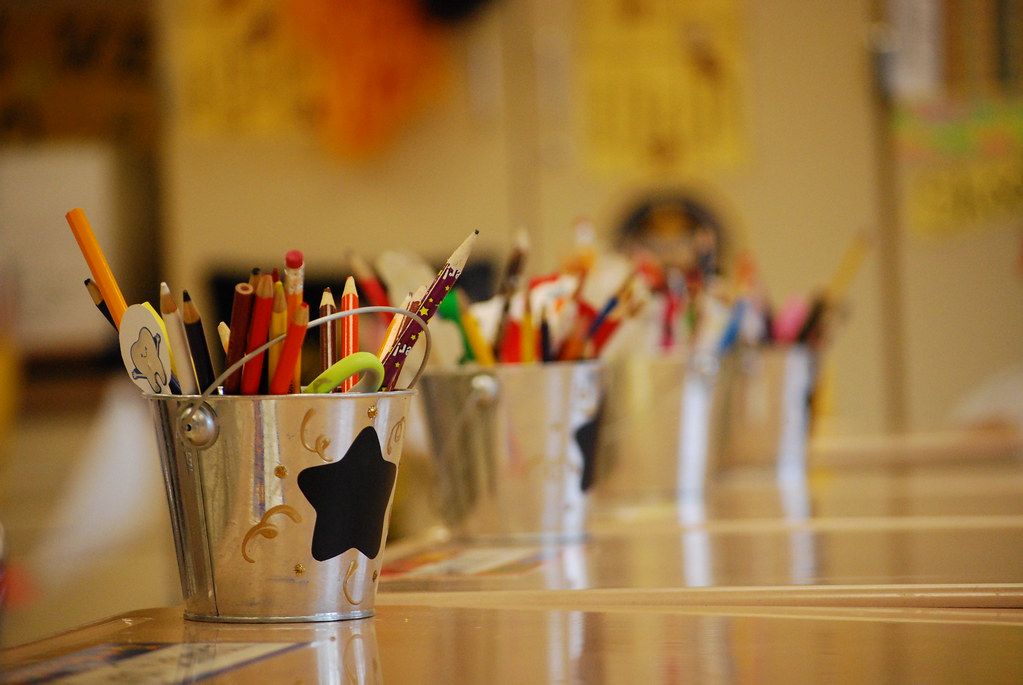
- Stationery: pencils, pens, notebooks, coloring sets, pencil cases, geometry sets. Sold by the carton with excellent margins at container volume.
- Lunch boxes and water bottles: among the fastest-growing items; favor stainless steel and BPA-free plastics.
- School shoes and sportswear: their season aligns exactly with the school calendar.
- Educational electronics: calculators, budget tablets, and headsets for e-learning.
Where to Source in China
School bags are produced at scale in Baigou in Hebei province, plus Guangzhou and Quanzhou. Stationery's capital is Ningbo together with Yiwu, where the Yiwu International Trade Market dedicates an entire district to office and school supplies with thousands of suppliers. Lunch boxes and bottles cluster in Yongkang, Zhejiang — China's hub for household metal products. Stationery MOQs are very low (sometimes mixed cartons), while custom-designed bags usually start at 300–500 pieces per model.
The Right Timeline
- February–March: build your assortment and order samples, especially for custom designs.
- April: confirm orders, pay deposits, and start production (approximately 30–45 days).
- May–June: pre-shipment inspection, then sea freight of approximately 18–30 days to Jeddah Islamic Port or King Abdulaziz Port in Dammam.
- July: customs clearance and distribution to points of sale.
- August: peak selling before the first school day.
Quality and Regulatory Notes
School products touch children daily, so safety is not optional. Pens and coloring products must use non-toxic materials that meet Gulf safety requirements for school articles; lunch boxes and bottles fall under food-contact rules; and most items require SABER platform registration under the applicable SASO technical regulations. Be very careful with cartoon characters: unlicensed lookalike merchandise is exposed to seizure at customs. For landed-cost planning, budget customs duty of approximately 5% (it varies by item) plus 15% VAT.
The golden rule of the school season: order in spring to sell in summer. Any container booked after May enters a race against the school calendar — and usually loses it.
Common Mistakes and How to Avoid Them
- Betting on a single product instead of a full assortment that lets wholesale buyers fill their entire order with you.
- Skipping zipper and handle testing on bags — the first components to fail on cheap products.
- Ignoring Arabic print quality on notebooks and bundled kits; proofread before mass production.
- Comparing factory prices on paper without computing the per-piece landed cost including freight, duty, and VAT.
The school season rewards early planners. The Terrace International field team in Guangzhou and Shenzhen can act as your eyes in China — negotiating with factories, inspecting goods before they ship, and managing freight and clearance so your container arrives in July, not September. Contact us today and prepare your next season with confidence.