Warning Signs Your Chinese Supplier Is in Financial Trouble
Sep 25, 2025
The most dangerous supplier is not the one who cuts corners on quality; it is the one collapsing financially while holding your deposit, your moulds and your half-finished goods. When a Chinese factory stops paying its creditors, a foreign importer stands effectively at the back of the recovery queue and may get nothing at all. The good news: financial collapse rarely arrives without warning. It broadcasts signals months in advance to anyone who knows how to read them. This guide teaches you the early reading and the right response.
Why Do Chinese Factories Get Into Trouble?
Manufacturing margins in many sectors are razor thin, and factories run on compressed working capital: they buy raw materials in cash and collect from customers later. A sudden rise in material prices, the loss of a major customer, reckless expansion into new production lines, or accumulated debts to material suppliers can all push a factory into the danger zone. And at precisely that stage, a new importer with a fresh deposit becomes tempting oxygen, used to plug old holes rather than to produce your order.
Early Signs in the Supplier's Behaviour
- Requests for larger deposits than usual: jumping from 30% to 50% or more on unconvincing grounds is a classic liquidity-crisis signal.
- Sudden generous discounts: prices below any rational market cost usually mean a desperate need for cash today at any price.
- Repeated delivery delays with shifting excuses: often a raw material shortage because the factory's own suppliers cut it off over unpaid debts.
- Staff attrition: your sales contact changing multiple times within months, or the engineer you worked with disappearing; employees feel delayed salaries before any outsider does.
- Deteriorating communication: slower replies, vague promises without dates, and avoidance of video calls from inside the workshop.
- Unusual pressure to close large deals fast, paired with visible urgency in collecting payments.
Signs on the Ground and in the Records
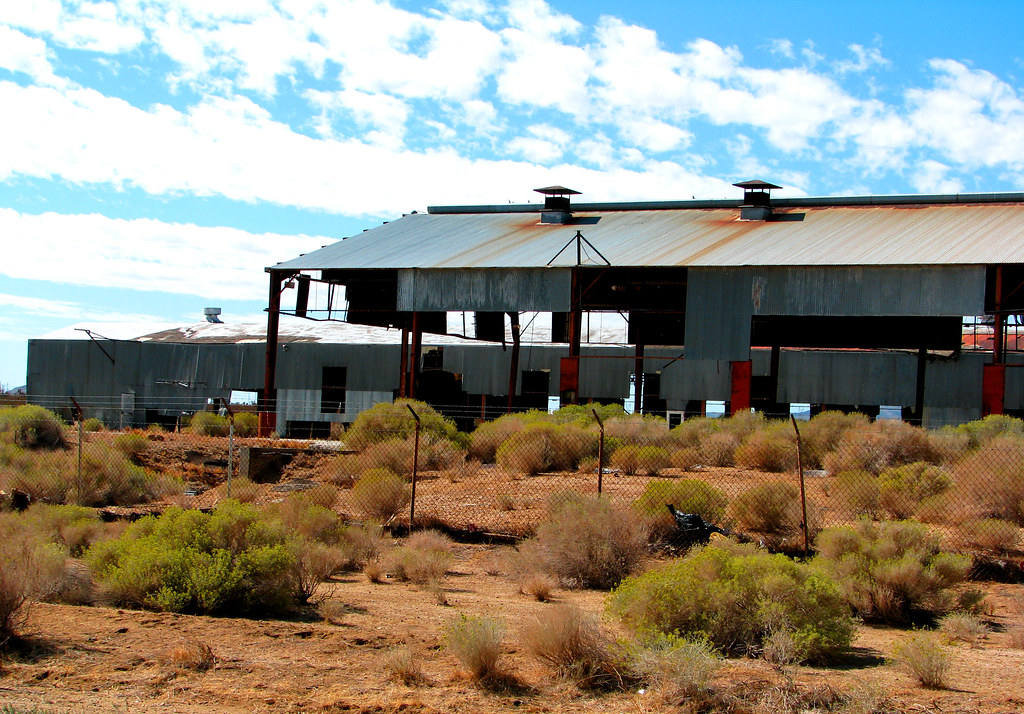
A physical visit reveals what correspondence hides: production lines idle outside any low season, near-empty raw material stores, visibly fewer workers than previous visits, or machines missing from the floor, possibly sold or seized. On the records side, Chinese business-information platforms such as Qichacha and Tianyancha expose lawsuits filed against the company, its appearance on court lists of judgment defaulters, pledges over its assets and equipment, and abrupt changes in shareholders or the legal representative. A periodic check of your key suppliers every few months is a cheap habit with an enormous payoff.
How to Protect Yourself Before and During the Relationship
- Payment discipline: a deposit no higher than 30%, balance only after a passed pre-shipment inspection, and with any supplier showing risk signals, shrink the deposit further or tie payments to documented milestones.
- Document mould ownership: a separate agreement listing mould numbers and your right to remove them at any time; undocumented moulds are the first thing lost when a factory is liquidated.
- Do not stockpile goods at the factory: ship completed batches as they finish, because finished goods sitting inside a distressed factory can be seized along with its assets.
- Always keep a second source warm: a qualified backup supplier, even at small volumes, turns a main supplier's collapse into a few weeks of disruption instead of a lost season.
- Watch the first transaction doubly hard: the first order with any factory is the real test of its financial and production discipline.
Golden rule: a supplier who suddenly demands bigger deposits while offering cheaper prices is not handing you the deal of a lifetime; he is using your money as a lifeline for his debts. Treat those two signals together as a red alert.
What to Do When the Signs Appear and Your Money Is Inside
Move calmly but fast: freeze any new payments immediately, push to ship every completed unit even in partial batches, physically retrieve your moulds or at least verify them in an on-site visit, and shift the remaining order to your backup supplier. If the factory holds goods you have already paid for in full, make collecting them your first priority before negotiating any other claims; physical property is recovered before a collapse, never after.
The Bottom Line
Monitoring your suppliers' financial health is not paranoia; it is core risk management, exactly like quality inspection. Read the signals early, stay disciplined on payments, document your assets on their premises, and never spend a single day without a fallback plan.
The Terrace International field team in Guangzhou and Shenzhen visits factories in person before and during every engagement, catching the distress signals that never show up in email, and manages sourcing, negotiation, inspection and shipping so your money and goods stay in safe hands. Contact us and secure your supply chain from the start.