Riyadh Wholesale Markets: Al-Bathaa and Beyond — How Importers from China Can Use Them
Jan 25, 2026
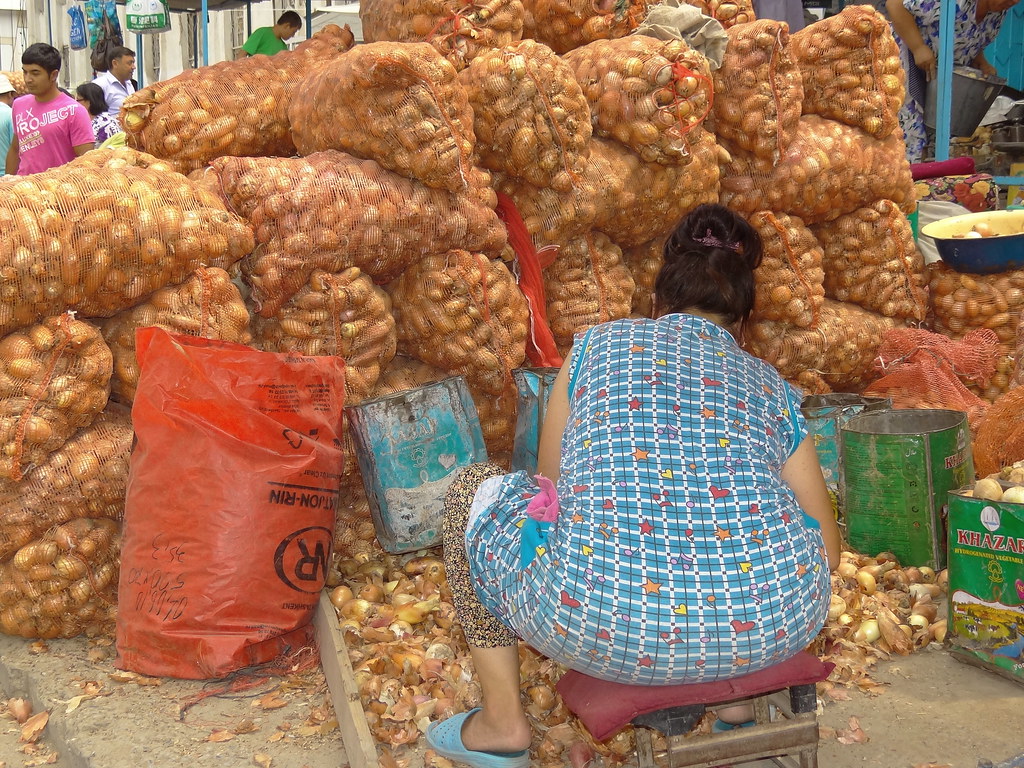
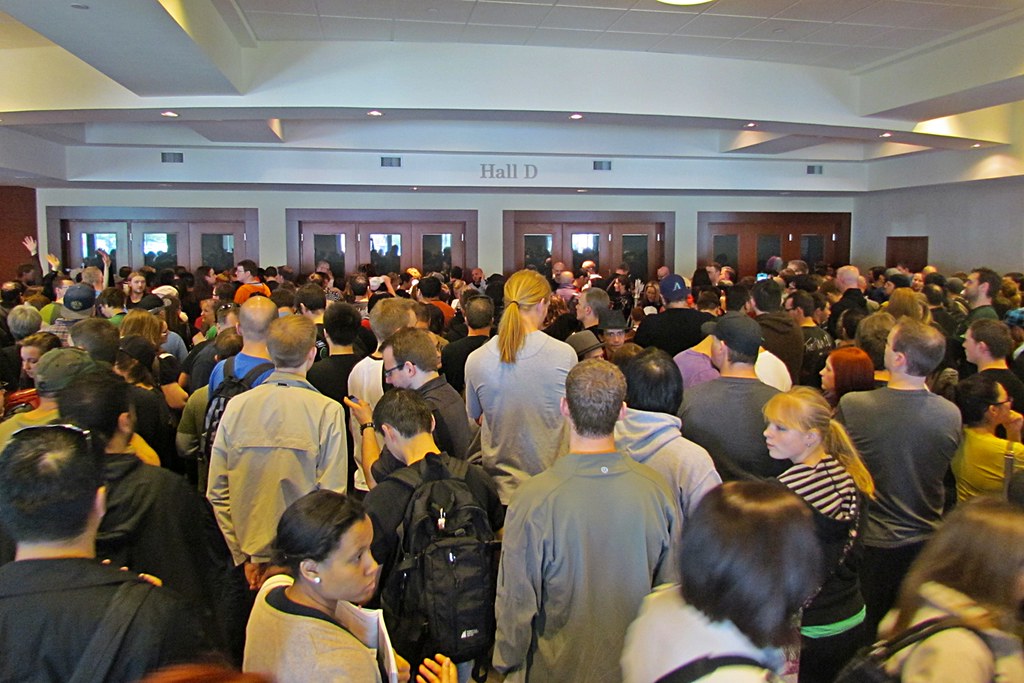
Long before e-commerce platforms existed, wholesale markets were the arteries of Saudi trade — and they still pump a large share of imported goods into retail shops across every city and town. At the heart of Riyadh stands Al-Bathaa, the Kingdom's most famous and oldest wholesale district, where electronics, accessories, watches, perfumes, gifts, and household goods change hands in bulk. For an importer from China, these markets are not merely competition — they are a school for market research, a sales channel, and a mirror that reveals the truth about prices and margins.
A Map of Riyadh's Wholesale Markets
- Al-Bathaa: the historic core of wholesale trade — specialised complexes for electronics, accessories, watches, perfumes, gifts, and household goods, drawing retailers from every region of the Kingdom.
- Haraj and industrial-district markets: new and used furniture and equipment.
- Central food and produce markets: wholesale food trading.
- Modern wholesale complexes: warehouses and showrooms on the city's edges, where larger import companies have moved in search of space.
Use the Market as a Laboratory Before You Import
The smartest use of Al-Bathaa costs you nothing: walk the market before any import decision and study it. Which products are piled high in every shop? That category is saturated, and entering it at a higher cost is commercial suicide. What do retailers keep asking for and not finding? That is your gap. Ask for wholesale prices at different quantities and compare them with the factory quotes reaching you from China — the difference between the two is the importer's margin you can compete for. You will usually discover that much of the market's stock comes from the very cities we work in: Yiwu for accessories and gifts, Guangzhou for bags and watches, Shenzhen for electronics.
Selling to Wholesalers: A Fast Liquidation Channel
When you import a full container, two roads lie ahead: retailing piece by piece at a higher margin with heavy marketing effort, or moving volume through wholesalers and retailers in Al-Bathaa and similar markets at a lower margin but much faster turnover. Many successful importers blend both: part sold directly through their online stores, part moved wholesale to keep capital rotating. Wholesale requires a price that leaves the next trader his margin, so calculate from the moment you negotiate in China: factory price + sea freight (approximately 18 to 30 days to Saudi ports) + duty around 5% + 15% VAT + inland transport — then confirm that your all-in cost still sits convincingly below the market's prevailing wholesale price.
Why the Direct Importer Beats the Market Buyer
- One link fewer in the chain: the Bathaa trader who buys from another importer pays two margins before selling; you buy from the factory itself.
- Control over specifications: you can order higher quality or private-label packaging, while the market buyer takes whatever is on the shelf.
- Flexible reordering: a factory relationship lets you restock a fast-moving item quickly.
- But beware: the price advantage only materialises with sensible quantities and disciplined buying; a small, badly cleared shipment can end up costing more than Bathaa's own wholesale price.
The Market's Unwritten Rules
Relationships in wholesale markets are built on repetition and kept promises: the retailer who finds consistent quality, stable pricing, and reliable supply at your door will return season after season. Start with small quantities across several buyers rather than one large deal with a single trader; document every agreement in writing no matter how strong the trust; and treat credit sales with caution — deferred payment is common custom in wholesale, but it demands a disciplined credit ceiling for each customer.
Golden rule: never enter Al-Bathaa as a seller before you have entered it as a student — one week of asking questions in the market saves you a full container of mistakes.
Common Mistakes
Importing an item already stacked high in the market and being forced to sell at a loss; skipping quality inspection in China so wholesalers discover the defects — and your name evaporates in a market where everyone knows everyone; extending credit sales without limits; and neglecting SABER certificates for categories that require them, leaving the container at the port while the selling season slips away. In wholesale markets, reputation is capital built slowly and destroyed by a single bad shipment.
At Terrace International we help you stand at the profitable end of the chain: our field team in Guangzhou and Shenzhen takes you straight to the factory, negotiates in the market's own language, and inspects the goods before shipment — then we manage freight and clearance to your warehouse in Riyadh. Get in touch and turn your local market knowledge into a profitable import business.