Yangjiang: China's Knife and Kitchenware Capital — A Saudi Importer's Guide
Dec 04, 2025
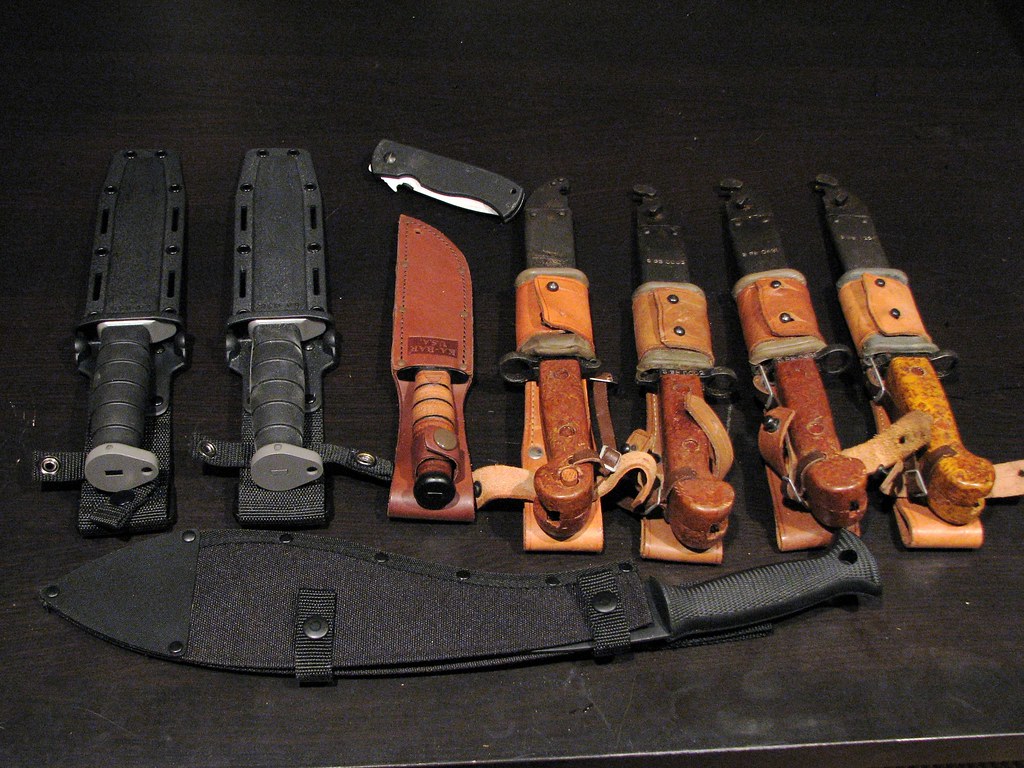
Whether you sell kitchenware through an online store, supply hotels and restaurants with knives and utensils, or plan a private label in premium knife sets, the most likely origin of your goods is a single city: Yangjiang, in the west of Guangdong province in southern China. This coastal city holds the official title of China's capital of knives and scissors, producing an enormous share of the kitchen knives, scissors, and grooming tools circulating in world markets — including Saudi Arabia and the wider Gulf. Knife making here goes back more than 1,400 years, but what matters to a trader today is a thoroughly modern ecosystem of factories, forges, polishing workshops, and testing labs.
Why Yangjiang and nowhere else?
Industrial concentration in Yangjiang means every link of production sits in one place: stainless steel supply and processing, blanking, forging and heat treatment, handle production in wood, plastic, and stainless steel, and premium gift packaging for boxed sets. The result is fiercely competitive pricing and deep customization flexibility: your logo laser-etched on the blade, a gift box to your design, and handle styles tuned to Gulf market taste.
The key products for the Saudi market
- Kitchen knife sets: from economy lines to premium Damascus-pattern sets.
- Chef and professional knives: for the fast-growing restaurant and hotel sector.
- Scissors of every type: household, kitchen, tailoring, and professional barber shears.
- Stainless flatware: spoons, forks, and table knives.
- Prep tools: cutting boards, graters, peelers, and the heavy-duty butchery tools in seasonal demand around Eid.
Steel grades: where the difference — and the profit — is made
A knife's price and quality are determined by its steel before anything else. These are the grades you will meet in quotations:
- 2Cr13 and 3Cr13: economy grades, acceptable for light household use at aggressive price points.
- 5Cr15MoV: the most popular mid-range balance of sharpness and respectable rust resistance.
- 7Cr17MoV and above: higher tiers with better edge retention.
- Multi-layer Damascus steel: for premium and gift sets — but watch the difference between genuine layered Damascus and a laser-printed pattern on plain steel.
Always have the steel grade and Rockwell hardness (HRC) written into the contract; a decent kitchen knife typically sits at approximately 52–58 HRC depending on tier.
Pre-shipment quality checks
- Hardness testing: Rockwell testing on random samples to confirm the agreed grade.
- Sharpness and edge retention: standardized paper or rope cutting before and after repeated use.
- Rust testing: salt spray or immersion tests — critical for the humidity of coastal Saudi cities.
- Handle integrity: rivet and adhesive checks; a loose handle is the most common complaint in the cheap segment.
- Packaging safety: blade guards and secure tray fit to prevent scratching in transit.
Golden rule: never buy a knife from a photo. Two blades that look identical can differ by double the price and half the lifespan — the deciding factor is the certificate and the test, not the shine.
Certification, customs, and shipping
Food-contact kitchen tools fall under Saudi conformity requirements: products must be registered on the SABER platform with certificates of conformity under the applicable SASO regulations and relevant GSO standards, including food-contact material safety. Customs duty is approximately 5% and VAT is 15%. Yangjiang's logistics advantage is real: it sits close to Guangdong's major ports, and sea freight to Jeddah Islamic Port or King Abdulaziz Port in Dammam takes roughly 18 to 28 days. For consolidated or mixed-container orders, loading from nearby Guangzhou or Shenzhen is straightforward.
Prices and minimum order quantities
Economy knives start below approximately SAR 2 per piece ex-factory; the 5Cr15MoV mid-range runs roughly SAR 8–30 depending on handle and finish; premium Damascus sets can exceed SAR 150 per boxed set. MOQs typically run 500–2,000 pieces per model — sometimes lower for open-stock designs, higher when you customize the handle and packaging end to end. Margins in the Saudi retail market are strongest in the gift-set and professional segments, where presentation justifies premium pricing.
Bottom line
Yangjiang is a mature market that rewards the trader who understands steel and inspects before shipping — and punishes the one who buys on shine and price alone.
The Terrace International field team in Guangzhou and Shenzhen operates within easy reach of Yangjiang, comparing factories for you, negotiating steel grade and price, testing hardness and packaging before shipment, and handling SABER and freight door to door. Reach out today and build your next kitchenware range with confidence.