Sourcing from Yiwu: The World's Small-Commodities Market
May 10, 2026
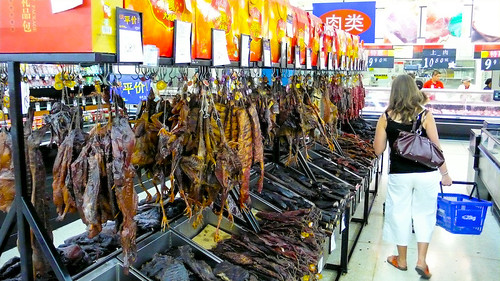
If you sell anything that fits in a hand — stationery, toys, kitchen gadgets, accessories, party supplies, seasonal decor, hardware — there is one place in China built for you: Yiwu. Three hours from Shanghai in Zhejiang province, Yiwu is the planet's largest wholesale market for small commodities, and for Gulf importers chasing variety, low minimums, and tight margins, it is often a better fit than the big-factory cities. Here is how to source from it well.
What Yiwu is, and why it's different
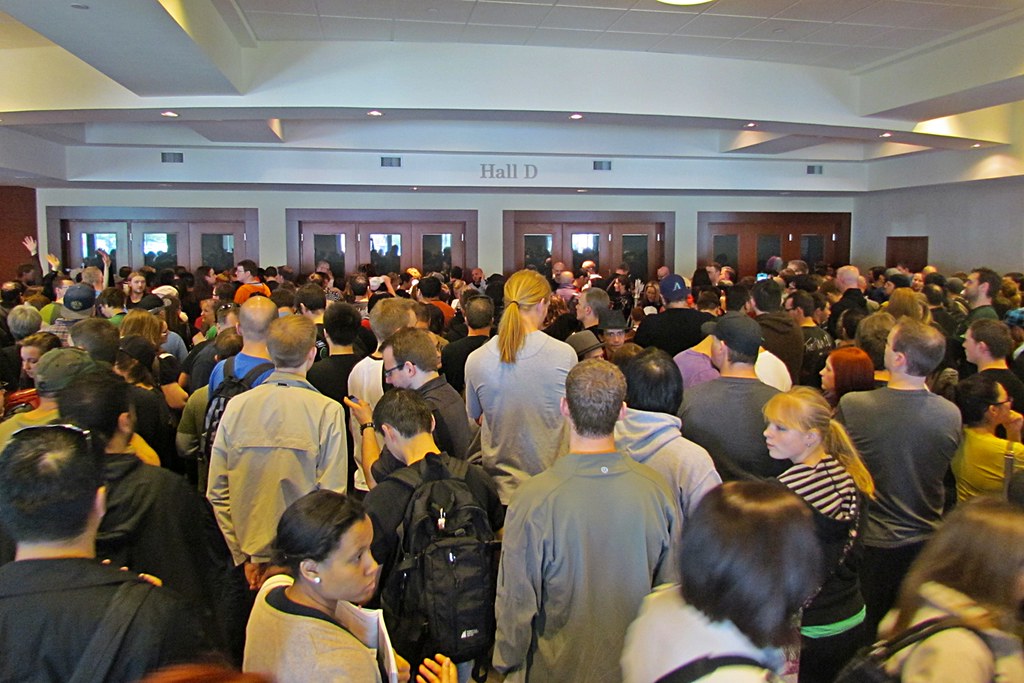
Yiwu's heart is the Yiwu International Trade City (Futian Market) — a complex of five connected districts holding tens of thousands of shops across millions of square meters. It is not a factory zone; it is a market of trading booths, each showcasing one product family, backed by nearby workshops. The model is built for breadth: you can look at 200 different items in a day, mix categories in one order, and start with small quantities. That is the opposite of Guangzhou's or Shenzhen's deep, single-category factories, and it is exactly what shopkeepers, gift sellers, and variety-store owners across the Gulf need.
How the market is organized
Knowing the districts saves days of walking. Broadly: District 1 covers toys, artificial flowers, and accessories; District 2 hardware, tools, bags, and umbrellas; District 3 stationery, sporting goods, and cosmetics accessories; District 4 socks, gloves, textiles, and daily-use items; District 5 household goods, electronics accessories, and imports. Each district groups related shops together, so once you find your category you can compare dozens of suppliers within a few aisles. Plan by district, not by random wandering.
The Yiwu advantage: MOQ, price and variety
Yiwu's biggest draw for new importers is the low minimum order quantity. Many booths sell by the carton rather than by the thousands, so you can fill a mixed container with dozens of products without committing huge sums to any single line. Prices are wholesale and competitive because of the sheer density of sellers. The trade-off is that many booths are traders, not the actual manufacturer, so for large or quality-critical orders you may pay a small premium versus going direct to a factory — but for variety and speed, that premium is usually worth it.
Watch-outs for Gulf buyers
Yiwu rewards preparation. Quality varies widely between booths selling near-identical items, so always inspect samples and confirm material and packaging. Confirm whether your booth is a trader or producer, and who handles defects. Remember Saudi requirements: products like toys, electrical accessories, and textiles still need SASO/SABER conformity and Arabic labeling — Yiwu's low prices don't exempt you from compliance. Finally, because a typical Yiwu order mixes many suppliers, you will almost always need a consolidation warehouse to gather everything before shipping to Jeddah or Dammam.
How to run a successful sourcing trip
- Build a shopping list by category and map it to the right districts before you arrive.
- Collect samples, business cards, and unit prices booth by booth — don't commit on the spot.
- Negotiate by carton quantity and ask about packaging, lead time, and restocking.
- Verify SASO/SABER applicability for each regulated item before ordering.
- Route all purchases to one consolidation warehouse for a single, inspected shipment.
Yiwu rewards the buyer who arrives with a plan and a consolidator — and frustrates the one who treats it as a shopping trip.
Yiwu's strength — endless variety from hundreds of small suppliers — is also its challenge: someone has to gather, inspect, and consolidate it all. Terrace International operates on the ground in China and from Riyadh: we source and negotiate in the Futian market, verify suppliers and samples, consolidate your mixed orders under one shipment, handle SASO/SABER, and deliver to Jeddah or Dammam. Tell us what you sell, and we'll build your Yiwu order for you.