VAT, Customs Duties and Zakat for Saudi Importers: A Trader's Plain-Language Guide
Jan 15, 2026
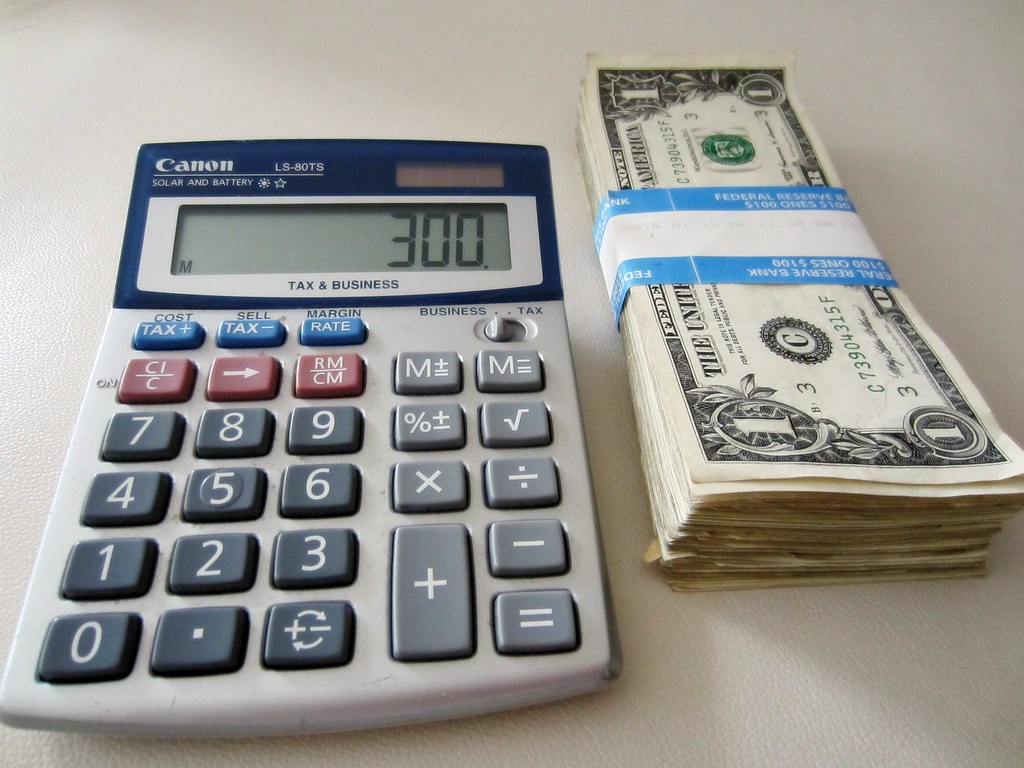
Many Saudi importers calculate the factory price and freight with great care, then get an unpleasant surprise at customs clearance: the real cost is far above plan. The reason is almost always the same — they never modeled how customs duty and VAT are calculated on the import value, or how zakat enters the annual equation. This guide explains the system the way a trader needs it: numbers, examples, and sequence of operations, without legal jargon — with one standing caveat: details change, and the final authority is always the Zakat, Tax and Customs Authority (ZATCA) and your own accountant.
Rule One: Duty Is Calculated on CIF, Not the Factory Price
Customs duty is not charged on the goods price alone but on the value including freight and insurance to the Saudi port (CIF). Buy goods for SAR 100,000, pay SAR 12,000 in freight and insurance, and your dutiable base is SAR 112,000. The common rate for many tariff lines is around 5%, but it genuinely ranges from 0% on some raw materials to much higher rates on specific goods — and the deciding factor is the HS code. A wrong classification means either overpaying duty that quietly eats your margin, or penalties and delays when the error is discovered.
Rule Two: 15% VAT Is Calculated After Duty
Import VAT is charged on (CIF value + customs duty) and is paid at clearance. In our example: 112,000 + 5,600 duty = SAR 117,600, and VAT on that is SAR 17,640. The good news: for a VAT-registered business this is not a final cost — it is deductible input VAT in your periodic return, as long as the goods serve your taxable activity. The bad news: it is real cash leaving your account on clearance day. Build it into your cash-flow plan so liquidity does not choke between the shipment and the refund cycle.
Zakat: The Third Dimension Everyone Forgets
Businesses owned by Saudi and GCC nationals are subject to zakat at approximately 2.5% of the zakat base under ZATCA's rules — calculated on the base, not simply on profit. Imported inventory normally sits inside that base, which means dead stock piling up before your fiscal year-end carries a zakat cost on top of its storage cost. Foreign-owned companies pay corporate income tax instead, and mixed-ownership companies get a combined treatment — this is exactly where a qualified accountant earns his fee.
Your Practical Obligations Toward ZATCA
- VAT registration: mandatory once your revenue crosses the compulsory threshold, optional before it — and early registration usually favors importers, because it unlocks input-VAT deduction.
- E-invoicing (FATOORA): issuing invoices through a compliant system is now a hard requirement; do not build your operation on paper invoices.
- Returns on time: late filing means penalties that accumulate quietly.
- Document retention: customs declarations, supplier invoices, bills of lading — keep them organized for years; they are your shield in any audit.
A Complete Landed-Cost Example
- Goods from Guangzhou: SAR 100,000.
- Sea freight and insurance to Jeddah (approximately 18–30 days): SAR 12,000.
- Customs duty at roughly 5%: SAR 5,600.
- VAT at 15%: SAR 17,640 (recoverable later).
- Clearance and inland transport: approximately SAR 3,000–5,000.
Cash needed on arrival day: roughly SAR 139,000. Economic cost after VAT recovery: roughly SAR 121,600. The gap between those two numbers is why so many new importers hit a liquidity wall on their second or third container.
Mistakes That Trigger Real Penalties
The dangerous ones: under-invoicing agreed with the Chinese supplier (customs valuation databases catch it, and the consequences are severe), failing to register for VAT after crossing the threshold, and deducting input VAT without proper clearance documents issued in your company's name. None of these are worth the short-term saving.
Golden rule: know your HS code and your full landed cost before you sign the purchase order — not after the container arrives.
At Terrace International we model the full landed cost for clients before they buy, while our field team in Guangzhou and Shenzhen handles negotiation, inspection, and shipping with clean, accurate invoices that protect your file with the authorities. Get in touch and know your real number before you pay the factory.