Container Loading Supervision in China: The Final Check That Protects Your Shipment
Nov 06, 2025

Many importers assume that passing the pre-shipment inspection means the risk is over. But between the moment of inspection and the moment the container doors close lies a dangerous gap: goods can be swapped for lower-grade stock, cartons can be left behind in the warehouse, careless stuffing can shatter products at sea, and a rusty, punctured container can let rain and humidity work on your cargo for the entire 18–30 day voyage to Jeddah or Dammam. Container loading supervision exists precisely to close that gap — and it is one of the cheapest quality services with the highest payoff.
What Is Container Loading Supervision?
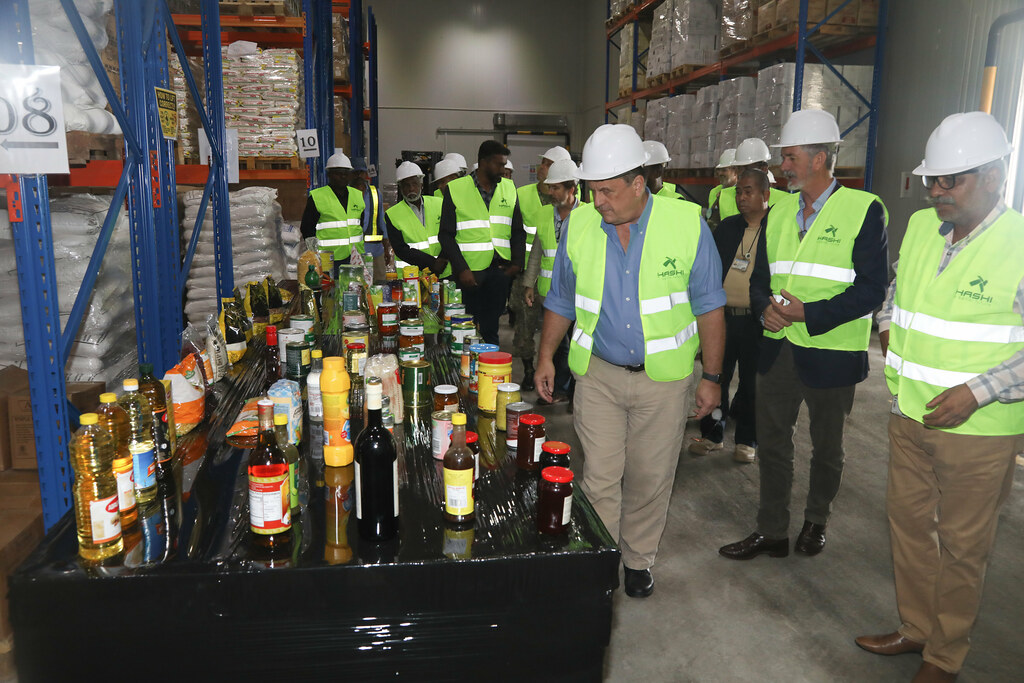
It is the presence of a neutral inspector at the factory or warehouse on loading day, from the moment the empty container arrives until it is closed with a numbered seal. The cost is typically that of a single inspection man-day — roughly USD 100–300 depending on the city — which is under 1% of most container values, protecting the shipment at its most vulnerable moment.
What the Supervisor Checks Before Loading
- The container itself: cleanliness, no punctures (the light test from inside), dryness, and freedom from odors, rust, and pests — a defective container ruins perfect goods regardless of manufacturing quality.
- Goods identity: are the cartons being loaded the same ones that passed inspection? The supervisor compares shipping marks and batch numbers and opens random cartons to confirm nobody substituted the goods after the inspection.
- The physical count: cartons are tallied one by one during loading and reconciled against the invoice and packing list — quantity discrepancies are among the most common problems and nearly impossible to prove after the doors close.
- Packaging condition: intact, dry cartons, proper strapping, and the correct shipping marks for the Saudi-bound consignment.
The Art of Stuffing: Loading a Container Properly
Bad stuffing destroys goods that were one hundred percent sound. The supervisor watches for:
- Even weight distribution across the container floor, heavy items low, light items high.
- Staying within the container's payload limit (roughly 28 tonnes for a standard box, with road limits varying).
- Void spaces filled with dunnage or air bags so cargo cannot shift with the vessel's movement.
- Desiccant bags hung inside the container — essential on voyages crossing multiple climates, especially for furniture, appliances, paper, and textiles, and for summer arrivals at hot, humid Gulf ports.
- No mixing of strong-smelling goods or chemicals with absorbent products.
The Seal: The Decisive Moment
Once loading is complete, the doors close and the numbered seal is applied in front of the supervisor's camera, with the seal number recorded in the report alongside photographs. That number is your first line of defense against en-route tampering: when the container reaches Jeddah Islamic Port or King Abdulaziz Port in Dammam, match the physical seal against the report before accepting delivery — any mismatch means the container was opened, and it must be documented immediately for insurance and claims purposes.
The golden rule: inspection proves your goods were made right; loading supervision proves they left China right and complete — and it is between those two moments that most "mysterious losses" nobody admits to actually happen.
When Is This Service Especially Necessary?
- First orders with a new supplier, before trust is established.
- Goods vulnerable to breakage or moisture: ceramics, glass, wooden furniture, electronics, packaged foodstuffs.
- Consolidated containers loaded from multiple suppliers, where accountability is fragmented.
- High-value or seasonal shipments where your calendar cannot absorb a failure.
- Any supplier with a history of quantity discrepancies.
For smaller LCL shipments, loading happens at the freight forwarder's consolidation warehouse instead; there, the practical alternative is an inspection before handover to the warehouse with thorough packaging documentation.
The Final Report: Your Evidence in Any Dispute
A proper supervision report contains a time-sequenced photographic record: the empty container, the goods staged for loading, the stuffing stages, the final count, and the applied seal — together with the container number, seal number, and truck details. This report is your evidence before the insurer, the carrier, and the supplier if the container arrives short or damaged. Without it, every party deflects responsibility to the next, and the importer is the only one left holding the loss.
The Terrace International field team in Guangzhou and Shenzhen provides loading supervision with same-day photographic reports delivered before the vessel sails — as part of an end-to-end service covering factory negotiation, quality inspection, and shipment management through to your port in Saudi Arabia. Contact us and close the last gap between your factory in China and your warehouse in the Kingdom.