Factory-Direct vs Trading Company in China: The Real Price Differences
Nov 16, 2025
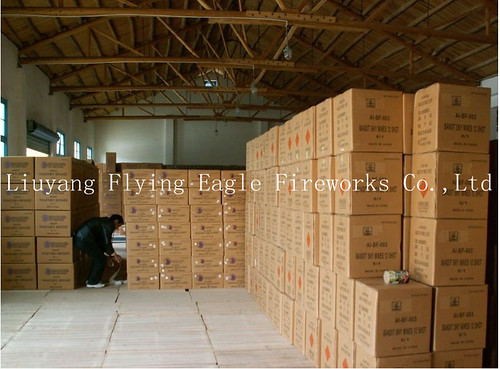
"Buy factory-direct and save 30%" — every new Saudi or Gulf importer hears this advice, and it is only half true. Yes, the factory price is lower on paper. But once you account for all the costs and risks, the real gap is often far smaller than you imagine, and in many situations a trading company is genuinely the smarter choice. This article puts real numbers on the table and explains exactly when to buy direct and when to use a trading intermediary.
The Fundamental Difference
A factory owns production lines and makes the goods itself. A trading company buys from multiple factories and resells to you with a margin that typically runs 5–15%, occasionally reaching 20% on certain products. The complication is that many "factories" on platforms like Alibaba are actually trading companies presenting themselves as manufacturers. Verification is therefore step one: request the Chinese business licence and check the registered business scope (does it include manufacturing or only trading?), ask for a live video tour of the production lines, or better still, arrange a physical visit.
The Real Price Gap, In Numbers
On average, the price difference between a factory and a trading company runs approximately 5–15% for the same product. But that gap shrinks or disappears in several common scenarios:
- Small quantities: large factories reject orders below their MOQ, which can be 1,000–5,000 pieces, while a trading company will accept 200–500 pieces — sometimes at a better price than a factory would quote for a small run.
- Mixed assortments: if you want 15 different items, buying from 15 factories means 15 shipments and 15 inspections. A trading company consolidates everything into one container — the standard model in Yiwu's general-merchandise trade.
- Simple, low-value products: the intermediary's absolute margin is small anyway and rarely justifies the effort of hunting down the original factory.
The Hidden Costs of Going Factory-Direct
The cheaper factory price arrives with costs that never appear on the quotation:
- Weak communication: many genuine factories lack a professional export team with strong English, which multiplies specification errors.
- Minimal after-sales support: a factory busy running production lines has little appetite for resolving a defect claim on your relatively small order.
- Less flexibility on customization, packaging, and partial shipments.
- The full burden of inspection and follow-up falls on you.
A good trading company absorbs these problems: a professional export team, clear accountability for quality, and the ability to switch factories if one fails to deliver on time.
When to Buy Factory-Direct
- When your volume is substantial — a full container or more of one or two products.
- When the product is technical or customized (OEM) and you need full control over specifications.
- When you are building a long-term relationship and a private-label brand.
- When you have someone on the ground in China to inspect and follow up — yourself or a trusted partner.
When a Trading Company Is the Smarter Choice
- At the start of your importing journey, while testing the market with small quantities.
- When importing a wide assortment of items consolidated into one shipment.
- When you need payment flexibility and responsive service in a language you understand.
- When the price gap is under roughly 8% — usually not worth the added risk and workload.
The golden rule: never ask "who is cheaper?" — ask "who has the lowest total cost after inspection, follow-up, errors, and risk?" The price on the invoice is not the real price.
How to Verify Any Supplier Before Paying
Whichever route you choose, verify before transferring money: obtain the Chinese business licence and match the registered company name against the beneficiary name on the bank account; check the registered business scope; request past inspection reports and genuine production samples; and start with a small trial order before committing to a full container. Factor the complete landed cost into your comparison too — sea freight of approximately 18–30 days to Jeddah Islamic Port or King Abdulaziz Port in Dammam, customs duty of around 5% for most goods, 15% VAT, and SABER/SASO conformity requirements depending on the product category. Only then do the two options become truly comparable.
The Terrace International field team in Guangzhou and Shenzhen visits factories in person, verifies their real identity, and benchmarks factory and trading-company quotes on a like-for-like basis — then handles negotiation, inspection, and shipping to your port. Talk to us before your next sourcing decision and let us settle the factory-versus-trader question with real numbers.
Related Articles
Sourcing & Suppliers
How to Find Reliable Suppliers in China: A Step-by-Step Guide
Jun 25, 2026
Sourcing & Suppliers
Alibaba vs 1688 vs Canton Fair: Where Should You Source From China?
Jun 13, 2026
Sourcing & Suppliers
How to Verify a Chinese Factory Before You Pay: A Complete Checklist
Jun 01, 2026