Importing Agricultural & Irrigation Equipment from China
May 24, 2026
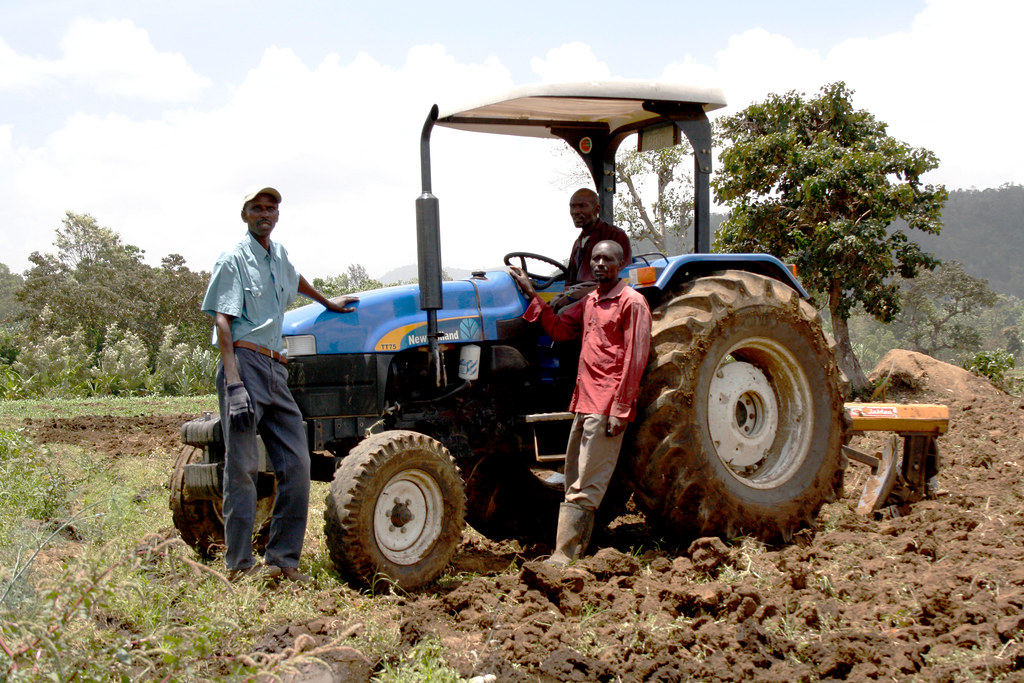
As the Kingdom moves toward food security and protected agriculture expands across Qassim, Hail, Al-Jouf, and Tabuk, demand has surged for affordable agricultural machinery and irrigation systems. China offers a wide range, from compact tractors to drip-irrigation networks, but import success depends on choosing equipment that withstands the harsh Gulf climate and saline water, and meets SABER requirements before customs clearance.
Why import agricultural equipment from China?
China produces an enormous range of agricultural equipment at competitive cost: diesel engines, small and mid-size tractors, pumps, pesticide sprayers, drip-irrigation networks, greenhouses, and hydroponic systems. Chinese factories supply spare parts abundantly and cheaply, a decisive factor for long-life agricultural machinery that runs season after season without downtime. Pricing is also transparent, with most categories quoted FOB, so you can compare suppliers and plan your landed cost precisely.
Where to source in China
- Weifang, Shandong province: China's capital for diesel engines and small-to-medium agricultural tractors.
- Shandong province broadly: Harvesting equipment, cultivators, and glass and plastic greenhouse systems.
- Zhejiang and Hebei: Drip-irrigation systems, emitters, pipes, filters, valves, and irrigation controllers.
- Taizhou: Pumps and portable and mounted agricultural pesticide sprayers.
Certifications and standards — SABER and SASO
Most electrical agricultural equipment and engines require a conformity certificate via the SABER platform and a SASO certificate before customs clearance. Note:
- Certificate of Conformity (CoC): Required for electric pumps, agricultural generators, diesel engines, and mounted equipment.
- Energy efficiency: Some electric pumps and motors fall under Saudi energy-efficiency requirements.
- Pesticide sprayers: May face additional safety and chemical-contact material requirements.
Ask the supplier to issue the SABER certificate before shipping. Many factories know the process, and delaying it means your container is held at Jeddah port, incurring high daily demurrage.
Quality pitfalls specific to agricultural equipment
The main issues in this category:
- UV resistance: Cheap irrigation pipes and emitters crack quickly under the Gulf sun. Request UV-resistant materials with adequate carbon-black content suited to a desert climate.
- Emitter flow uniformity: Test the coefficient of variation (CV) to ensure even irrigation along the entire crop line.
- Engine and pump quality: Verify actual versus rated power, and the quality of metal alloys for resistance to rust, saline water, and groundwater wells.
- Spare-part compatibility: Ensure spares are standard and available locally or from the supplier to avoid equipment downtime during peak season.
MOQ, costs, and shipping
Agricultural equipment is heavy and bulky, so sea freight in containers is the optimal choice to Jeddah or Dammam port. Tractors and engines may ship as units or in a consolidated container to cut cost. Drip-irrigation systems sell by the roll and ton and pack efficiently into a container, while engines and pumps start at lower MOQs. Account for the 15% VAT, customs duties, and handling costs for heavy equipment when calculating your final cost per hectare.
Matching equipment to Saudi field conditions
Specify your real conditions before the factory quotes, because the wrong configuration wastes water and fuel. Tell the supplier your water source (treated, well, or brackish), your salinity and iron levels, and your plot size in hectares, so they size the pump head and filtration correctly. Sandy soils and gypsum-rich groundwater clog emitters fast, so insist on adequate sand and disc filtration, and consider pressure-compensating (PC) emitters that hold a steady flow across long runs and sloped land. For greenhouses, confirm the cover film carries a UV stabilizer rated for several seasons and that the frame steel is hot-dip galvanized against coastal humidity. For diesel engines and tractors, request a hot-climate radiator and a dust-rated air filter, and confirm the engine is de-rated correctly so its stated horsepower holds at 45 degrees Celsius rather than at a mild lab temperature. These details cost little upfront but decide whether the equipment survives its first summer.
Common mistakes to avoid
- Buying irrigation pipes without UV resistance suited to the Gulf climate.
- Neglecting to issue the SABER certificate before shipping.
- Failing to verify the actual power of engines and pumps under load.
- Ignoring spare-part availability and after-sales service before deciding to buy.
At Terrace International, our on-the-ground team visits agricultural-equipment factories in Shandong and Zhejiang, tests material resistance to our climate, and verifies actual capacities and SABER certificates before shipping. Contact us to equip your farm with reliable machinery built to last in Gulf conditions.
Related Articles

Product Import Guides
Importing Tablets and E-Readers from China to Saudi Arabia
Jul 16, 2026
Product Import Guides
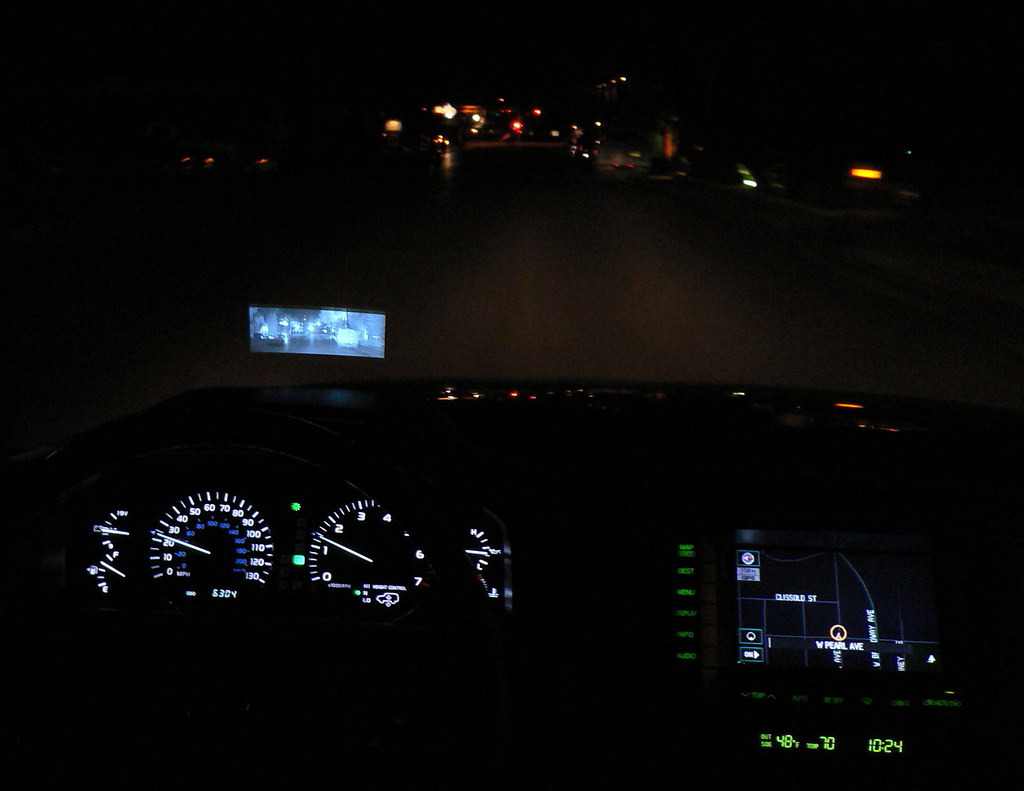
Importing Car Dash Cams and In-Car Electronics from China to Saudi Arabia
Jul 14, 2026
Product Import Guides
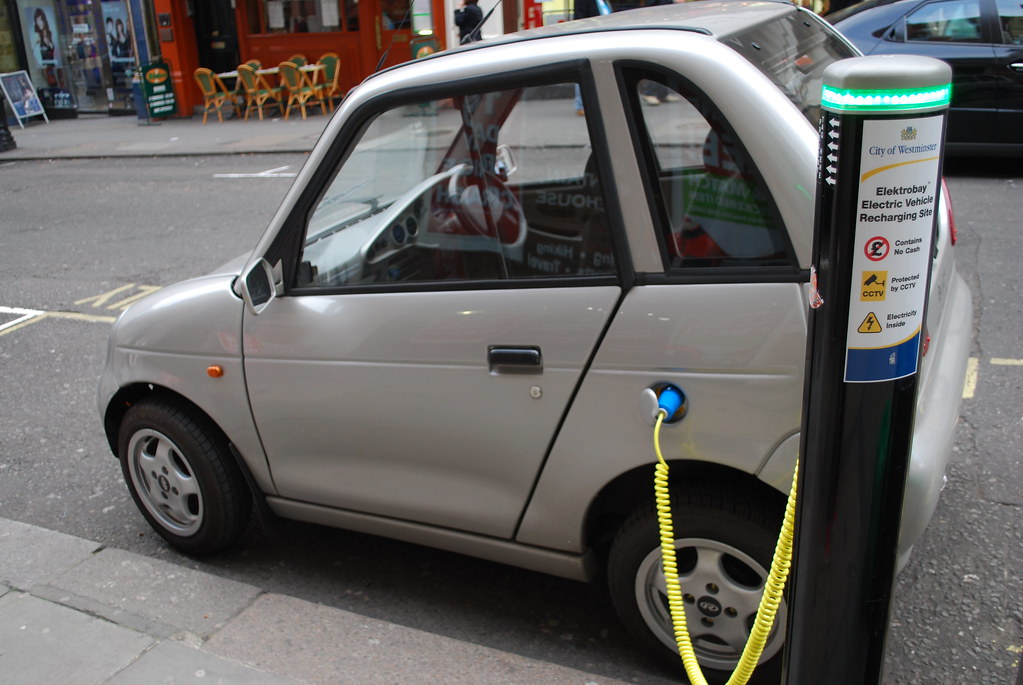
Importing EV Chargers and Charging Stations from China to Saudi Arabia
Jul 12, 2026