Importing EV Chargers and Charging Stations from China to Saudi Arabia
Jul 12, 2026
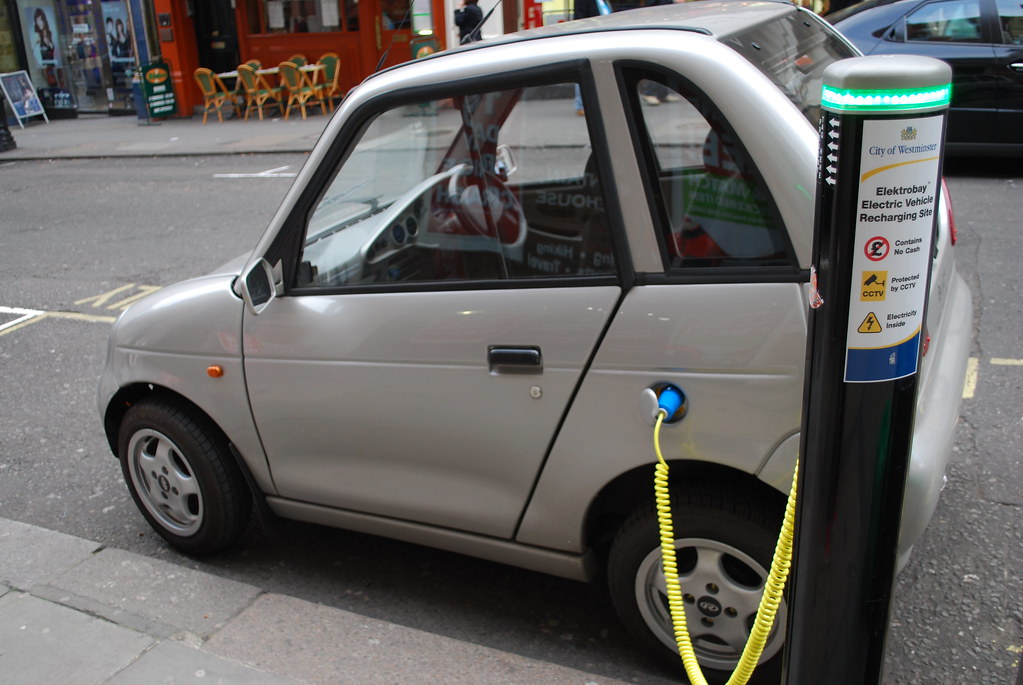
Electric vehicles are no longer a distant future in Saudi Arabia — they are a market taking shape right now. Vision 2030 is pushing the electric transition, projects like Ceer and the Lucid plant are anchoring EV manufacturing inside the Kingdom, and charging networks are expanding across major cities. Traders who enter the EV charger market today — wallbox home chargers, portable chargers, and commercial charging stations — are building an early position in a category where demand grows with every new EV that hits the road. And China is, without question, the world's leading source for this equipment.
Why China Leads the EV Charger Industry
China is the largest EV market on earth, which makes it the largest producer of charging equipment: from 7 kW home wallboxes to DC fast-charging stations rated 60 to 240 kW. Major Chinese manufacturers already build for global brands, and alongside them hundreds of mid-sized factories offer OEM solutions at a fraction of European prices, supporting the global standards that matter — the Type 2 connector common on cars entering the Saudi market, and CCS2 for DC fast charging.
Where the Equipment Is Made
- Shenzhen: the electronics and power hub, home to leading factories for charging modules, power electronics, and smart charge-management systems.
- Dongguan and Foshan: enclosure manufacturing and high-volume assembly.
- Hangzhou and Ningbo (Zhejiang province): a strong cluster of electrical-equipment factories, breakers, and power components.
In this category especially, never buy through a middleman. You need a real manufacturer that can provide long-term technical support, a clear warranty, spare parts, and software updates for station-management systems — things a trading company cannot deliver.
The Technical Specs That Decide Everything
- Connector type: confirm support for Type 2 (AC) and CCS2 (DC fast charging), the standards dominating vehicles arriving in the Saudi market.
- Grid compatibility: the Saudi grid runs 220/380 V at 60 Hz in most regions — a critical point to confirm with the factory, since most Chinese production defaults to 50 Hz.
- Ingress protection: IP54 minimum for outdoor installation, with an operating temperature rating of 50°C and above for Gulf summers.
- Electrical protection: residual-current, over-voltage, and over-temperature protection with documented test reports.
- Software: OCPP protocol support for commercial stations so they integrate with operating and payment platforms, and an Arabic-language app for home chargers.
Saudi Approvals and Certifications
- SABER: product registration and conformity certificates are mandatory for electrical equipment before customs clearance.
- SASO and GSO technical regulations covering EV charging systems — Saudi authorities have issued technical requirements for charging equipment, so verify your product matches the latest edition before ordering.
- CST approval if the charger includes Wi-Fi, Bluetooth, or a SIM module.
- Test reports from recognised laboratories (such as IEC 61851 for EV charging systems) smooth registration and open doors to government and commercial projects.
Costs and Price Structure
- 7 kW home wallbox: approximately USD 150 to 350 (SAR 550–1,300) ex-factory depending on build quality and smart features.
- Portable charger: approximately USD 65 to 160 (SAR 250–600).
- 60–120 kW DC fast-charging station: approximately USD 8,000 to 24,000 (SAR 30,000–90,000) depending on power rating and configuration.
- MOQ: typically 50 to 200 units for home chargers; DC stations are ordered per unit.
Shipping is mostly by sea through Jeddah Islamic Port or King Abdulaziz Port in Dammam, approximately 18 to 30 days, with customs duty around 5% and 15% VAT on goods plus freight.
Mistakes That Kill Projects in This Category
Importing 50 Hz chargers without confirming compatibility with the Saudi grid; skipping heat-endurance testing; buying stations without OCPP support and getting locked into a closed ecosystem; contracting a small factory that cannot supply spare parts a year later; and neglecting the SABER file so equipment sits at the port. This is a long-term investment category — choosing the wrong supplier costs you your reputation before it costs you money.
Golden rule: with EV charging equipment, buy the factory before you buy the product — after-sales technical support and spare parts are the real product.
The Terrace International field team in Guangzhou and Shenzhen audits charging-equipment factories on the ground, verifies certificates and production lines, and manages negotiation, inspection, shipping, and clearance until delivery. Talk to us and enter the EV charging market with a well-planned first step.