Importing Solar Street Lights from China to Saudi Arabia
Jul 10, 2026
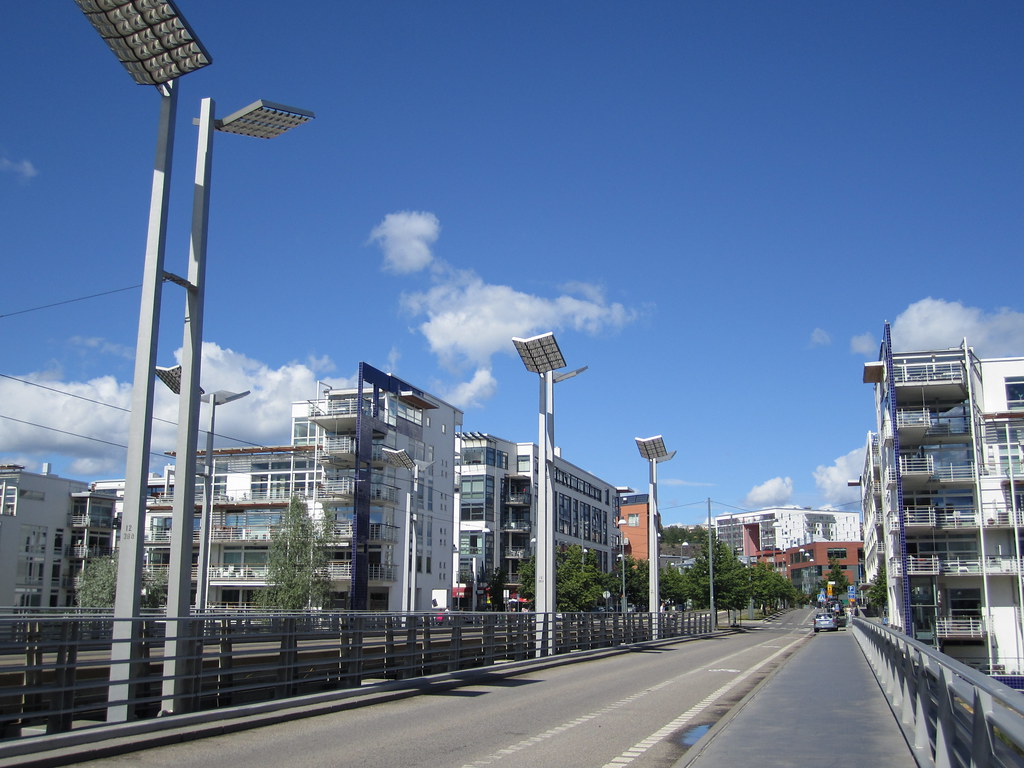
Solar power in Saudi Arabia is not an environmental luxury — it is pure economic logic: intense sunshine most days of the year, and massive infrastructure activity from new cities to farms, rest houses, and off-grid residential developments. Solar street lights in particular are among the most requested products by municipalities, contractors, and farm owners, because they eliminate both cable-trenching costs and electricity bills. China produces the lion's share of these systems globally at a decisive price advantage — but this category is also one of the most spec-inflated in the entire import trade, and the difference between an honest supplier and one selling you imaginary numbers may only appear six months after installation.
Why China, and Where They Are Made
China dominates solar panels, lithium batteries, and LED lighting simultaneously — the three components of a solar street light — making it the only place with the complete supply chain at source prices:
- Zhongshan: China's lighting capital, specifically the Guzhen district known as Lighting Town, home to thousands of lighting factories of every kind.
- Shenzhen: smart controllers, batteries, and remote-management systems.
- Jiangsu and Zhejiang: the major solar-panel manufacturers.
- Yangzhou: a well-known cluster for steel lighting poles.
Real Specifications vs Marketing Numbers
This category is notorious for inflated claims. Focus on:
- Actual panel wattage: demand measured output — many panels labelled 100 W produce far less.
- True battery capacity: lithium iron phosphate (LiFePO4) is the right chemistry for Gulf heat, with a much longer cycle life than standard lithium-ion. Ask for an actual discharge test in amp-hours.
- Real lumen output: advertised figures are sometimes inflated by 50% or more. Request a photometric test report and verify the sample with an independent lux meter.
- Autonomy days: a good system runs 2 to 3 consecutive nights without sun, which depends on correct sizing between panel, battery, and lamp power.
- Ingress protection: IP65 minimum, engineered for dust, sandstorms, and operating temperatures above 50°C.
How to Vet the Supplier
Visit the factory or commission a field team to do it, and confirm a genuine production line for the complete unit — not just an assembly workshop. Ask for a reference list of projects in the Gulf or Africa (similar climates), and field-test a full sample in Saudi Arabia for at least two weeks before any large order. A serious manufacturer accepts third-party pre-shipment inspection terms without hesitation; one that resists inspection is telling you something important.
Certification and Customs
- SABER: registration and conformity certificates for electrical products are mandatory for clearance.
- Component certificates: test reports for the panel (such as IEC 61215), the battery (UN38.3 and IEC 62133), and the luminaire strengthen your SABER file and open the door to project tenders.
- Municipal projects: tenders usually require technical specifications and accredited laboratory reports, so build your technical file early.
Customs duty is around 5% depending on classification, plus 15% VAT. Given the volume, shipping is by sea through Jeddah Islamic Port or King Abdulaziz Port in Dammam, approximately 18 to 30 days, with lithium-battery shipping rules to respect.
Pricing and MOQs
- All-in-one solar street light (nominal 100–200 W): approximately USD 55 to 150 (SAR 200–550) per unit ex-factory depending on genuine quality.
- Split system (panel + battery + luminaire) for projects: approximately USD 190 to 530 (SAR 700–2,000) depending on power and pole height.
- MOQ: usually 50 to 200 units, with prices dropping meaningfully at higher volumes.
Common Mistakes
Buying on lowest price and receiving repackaged used battery cells; skipping the summer field test of the sample; ignoring panel-to-battery sizing so lights die after midnight; failing to agree warranty and spare-parts terms in writing; and importing for a government project without preparing the technical reports the tender demands. In a project-driven category, one failed installation can close doors that took years to open.
Golden rule: in solar lighting, buy measured watts and amp-hours — never the numbers printed on the carton.
To enter this category with confidence, the Terrace International field team in Guangzhou and Shenzhen shortlists serious factories, negotiates terms, tests samples, inspects every shipment before it leaves China, and manages freight and clearance end to end. Reach out and we will prepare quotations from vetted sources for your project.
Related Articles
Product Import Guides
Importing Tablets and E-Readers from China to Saudi Arabia
Jul 16, 2026
Product Import Guides
Importing Car Dash Cams and In-Car Electronics from China to Saudi Arabia
Jul 14, 2026
Product Import Guides
Importing EV Chargers and Charging Stations from China to Saudi Arabia
Jul 12, 2026