Importing Air Purifiers & Water Filters from China
May 21, 2026
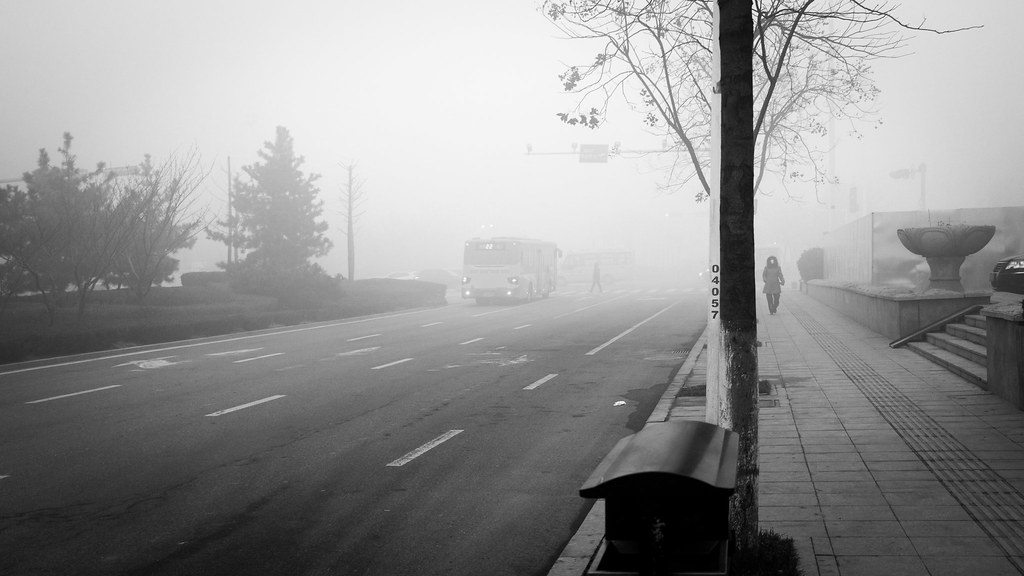
Air quality and water safety are growing priorities for Gulf households, and Saudi Arabia's dust storms, hard water, and hot climate make air purifiers and water filtration systems fast-moving retail categories. China dominates global production of both, offering everything from compact HEPA purifiers to multi-stage reverse-osmosis (RO) systems. This guide explains how to import these products profitably and, more importantly, compliantly.
Why source air purifiers and water filters from China
China's home-appliance belt produces filtration hardware at a scale and price no other country matches. The same industrial clusters that build the filters, pumps, membranes, and housings sit within a few hours of each other, so a factory can assemble a complete RO system or a HEPA purifier from local components and still quote aggressively. A basic 5-stage under-sink RO system can cost 20 to 45 USD ex-works; a mid-range HEPA air purifier with a true H13 filter runs 25 to 60 USD. The category also updates constantly, so you can offer smart, app-controlled models that command premium retail prices in Riyadh and Jeddah.
Where to buy in China
For water filtration, the cities of Cixi and Yuyao in Zhejiang province form the largest cluster, with RO membranes concentrated around the Shanghai and Zhejiang belt. Foshan and Shenzhen in Guangdong are strong on both water systems and air purifiers, while Guangdong broadly leads on air-treatment appliances. If you want smart purifiers with sensors and connectivity, focus on Shenzhen electronics manufacturers. Buy directly from assembly factories rather than component traders, since after-sales filter replacement supply is a make-or-break part of this business.
Certification and compliance for Saudi Arabia
Both categories are regulated. Electrical air purifiers require SASO conformity and SABER registration (PCoC and SCoC), covering electrical safety and EMC. Water filters carry an extra layer: any product with materials contacting drinking water should meet recognized potable-water safety standards such as NSF/ANSI 42 and 58, and Saudi authorities scrutinize health claims closely. If a purifier or filter markets a health benefit, be conservative and avoid medical claims that trigger SFDA involvement. Confirm the factory holds valid test reports for the specific model, not a similar one, before committing.
Quality control pitfalls
The biggest risk is fake filter grades. A filter labeled H13 HEPA may perform at H11 or lower, so request independent filtration-efficiency test reports and, ideally, a particle-count test during inspection. For RO systems, common failures include leaking quick-connect fittings, low-quality membranes that foul quickly in Saudi Arabia's hard water, weak booster pumps, and TDS-reduction claims that do not hold up. Insist on a pressure test on every water unit and a runtime test on purifiers. Also verify filter dimensions are standardized, because customers who cannot find replacement filters will not buy from you twice.
MOQ, pricing, and shipping
MOQ is typically 100 to 300 units for purifiers and 200 to 500 for water systems, with trial orders often negotiable. These products are bulky, so sea freight is standard, and volume, not just weight, drives your cost, so ask for the carton dimensions and calculate cubic meters carefully. A 40-foot high-cube container from Ningbo or Shenzhen to Dammam usually takes 22 to 35 days. Stock consumable filters generously in your first order, ideally two to three replacement sets per unit, because recurring filter sales are where the real margin lives. Budget customs duty plus 15 percent VAT on landed value.
Common mistakes to avoid
Do not chase the lowest price on filters, since that is exactly where cheap factories cut corners. Do not launch without a replacement-filter supply plan. Avoid unverified health or medical claims on packaging, which can trigger regulatory rejection. And test with actual Saudi tap water conditions where possible, because hard, high-TDS water behaves very differently from the soft water used in Chinese factory tests.
Building an after-sales advantage
The retailers who win this category treat filters as a subscription, not a one-time sale. Register every unit's filter model and replacement interval, and remind customers before their filter is due; in Saudi Arabia's dusty air and hard water, filters clog faster than the factory's rated life, which actually works in your favor as a recurring revenue stream. Keep a rolling three-month buffer of consumables in your local warehouse so you never lose a reorder to a stockout. This after-sales discipline is what separates a durable filtration business from a one-off container flip.
Terrace International keeps a team on the ground in China who audit filtration factories, verify HEPA and membrane grades with independent testing, and secure your consumable-filter supply chain. Reach out before your next air purifier or water filter order and we will help you launch a product your customers keep coming back to.
Related Articles
Product Import Guides
Importing Tablets and E-Readers from China to Saudi Arabia
Jul 16, 2026
Product Import Guides
Importing Car Dash Cams and In-Car Electronics from China to Saudi Arabia
Jul 14, 2026
Product Import Guides
Importing EV Chargers and Charging Stations from China to Saudi Arabia
Jul 12, 2026