Importing Baby Products & Strollers from China
Apr 18, 2026
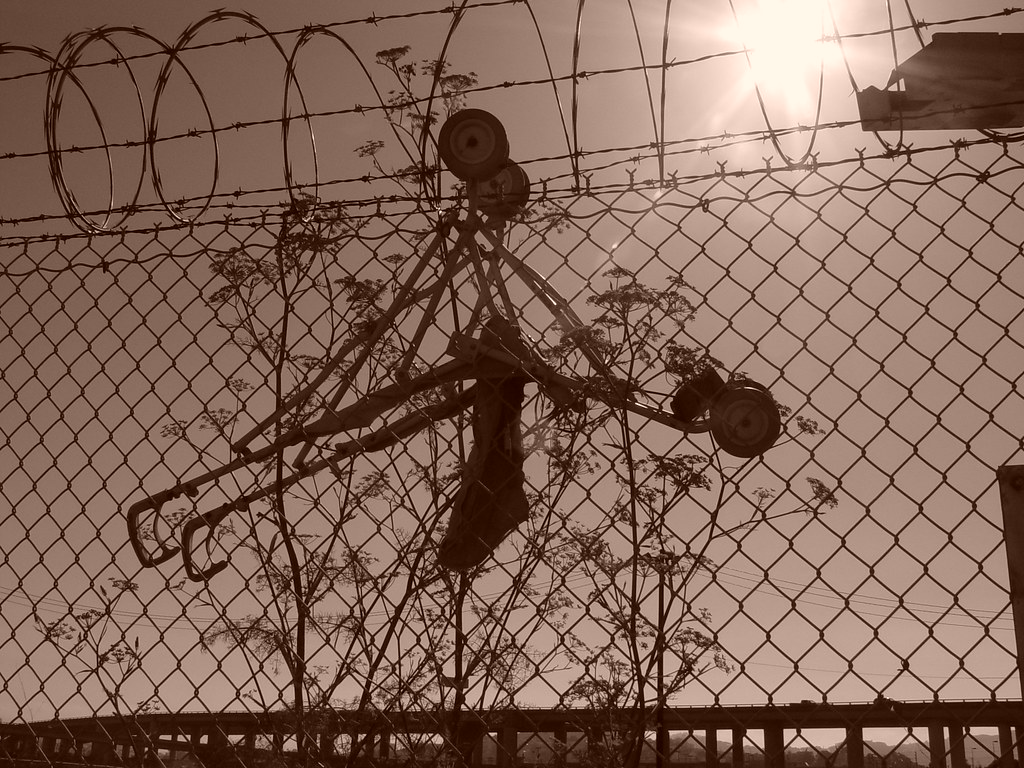
Saudi Arabia's young population and high birth rate make baby gear a consistently strong category, and strollers, high chairs, cribs, and feeding accessories all sit near the top of the shopping list for new parents. China manufactures the overwhelming majority of the world's baby hardware, which makes it the natural sourcing base. But this is also a category where a single mechanical or chemical failure can cause injury and a devastating recall, so safety verification is not optional.
Why import baby products from China
Strollers, high chairs, and playpens are assemblies of many components — tubing, wheels, brakes, fabrics, buckles, and fasteners — and China's supplier ecosystem lets a single factory source all of them locally and assemble at scale. That vertical depth keeps prices low and lets you order a coordinated range (stroller, carrier, high chair, feeding set) from partners who understand the category. For a retailer, this means you can build a complete baby aisle rather than a scattered selection.
Demand also spans price tiers, from value strollers for first-time parents to premium travel systems and convertible high chairs, so you can position across the market. If you plan to add infant car seats, note that they fall under separate automotive-restraint regulations (UN R129 / R44) rather than EN 1888 and require their own certification — never assume one report covers both.
Where to source in China
- Kunshan (Jiangsu) — a major stroller and pushchair manufacturing base with deep expertise in frames and folding mechanisms.
- Zhongshan and Foshan (Guangdong) — strollers, walkers, and ride-on baby hardware, plus strong metal and plastic component supply.
- Ningbo (Zhejiang) — baby feeding products, plastics, and injection-molded goods such as bottles and tableware.
- Dongguan (Guangdong) — soft goods, carriers, and textile-based baby products.
For strollers specifically, factories in the Jiangsu and Guangdong bases will generally give you better engineering and after-sales support than a generalist trading company with no assembly line.
Certifications and standards
Baby products face the strictest safety regime of any consumer category. Confirm your factory holds current test reports before ordering:
- SASO / SABER conformity — mandatory for clearance into Saudi Arabia through Jeddah or Dammam.
- EN 1888 — the core European safety standard for wheeled child conveyances (strollers, pushchairs, prams), covering brakes, stability, harness strength, and locking mechanisms. ASTM F833 is the US equivalent.
- EN 71 — applies to any toy elements attached to the product; covers small parts, sharp edges, and chemical migration.
- Food-contact / SFDA — for bottles, sippy cups, and feeding tableware, materials must be food-grade and BPA-free, and food-contact items are subject to SFDA requirements in Saudi Arabia.
- Flammability and lead/heavy-metal limits — fabrics and painted surfaces must pass flammability and chemical checks.
Common QC pitfalls
Mechanical safety is where cheap baby products fail, and every point below is testable on a pre-shipment inspection:
- Brake reliability — parking brakes that slip on a slope; test on an incline, not a flat floor.
- Folding and locking mechanism — accidental collapse is a serious injury risk; verify the lock engages every time and resists a firm push.
- Harness buckle strength — buckles that release under load, or that a child can open unaided.
- Stability and tip-over — check with weight in the seat and a bag on the handle, the real-world tipping scenario.
- Pinch points and sharp edges — exposed hinges and burrs on tubing.
- Wheel and rivet quality — squeaking, wobbling, or wheels that shed under load.
- Fabric and foam odor — strong chemical smell from new textiles or foam padding, a frequent complaint on cots and high chairs; require a smell check and airing.
MOQ, pricing, and shipping
Stroller MOQs commonly run 100-500 units, with factory prices from roughly SAR 80 to SAR 300 depending on frame quality, features, and travel-system compatibility. The critical logistics factor here is volume, not weight: strollers and high chairs are bulky, so your freight cost is driven by cubic meters (CBM), and shipping via full container to Jeddah or Dammam is usually the only economical option. Budget 8-12 weeks including production, sea transit, and SABER clearance, and always include spare parts and clear assembly instructions in the order.
Include customs duty and 15% VAT in your landed-cost model, and remember that bulky baby items eat container space quickly, so mixing flat-pack and assembled SKUs helps optimize each CBM. The most expensive mistakes are ordering without valid EN 1888 test reports, skipping the incline brake test, and underestimating the CBM and therefore the true landed cost.
Terrace International's team in China audits baby-product factories, verifies EN 1888 and food-contact test reports, and inspects strollers on the line before shipment. Talk to us and stock baby gear that parents can trust and customs will clear.
Related Articles
Product Import Guides
Importing Tablets and E-Readers from China to Saudi Arabia
Jul 16, 2026
Product Import Guides
Importing Car Dash Cams and In-Car Electronics from China to Saudi Arabia
Jul 14, 2026
Product Import Guides
Importing EV Chargers and Charging Stations from China to Saudi Arabia
Jul 12, 2026