Importing Batteries & Power Banks from China
Feb 23, 2026
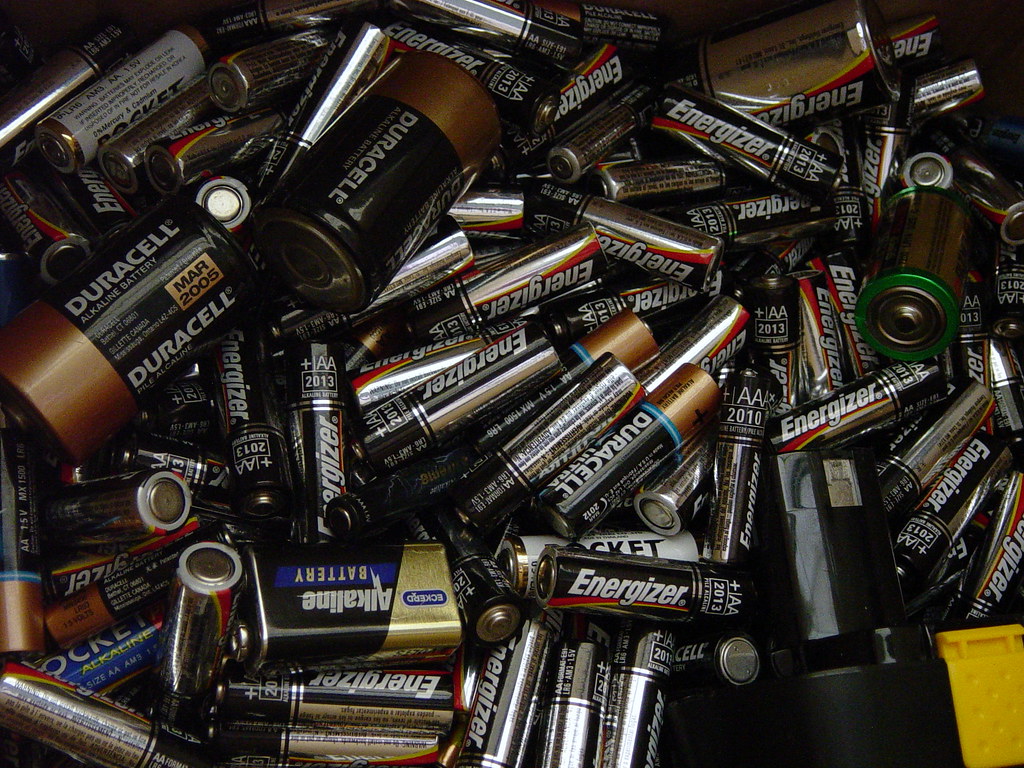
Power banks and rechargeable batteries are among the best-selling products in the Saudi market, but they are also among the most sensitive and hazardous to import. Lithium batteries are classified as Class 9 dangerous goods, which makes their shipping, documentation and compliance a precise process that leaves no room for guesswork. This guide explains how to import batteries and power banks from China safely, without seizures or fines.
Why import from China?
China dominates global lithium-cell and power-bank manufacturing, with a full supply chain from cells to protection circuits and casings. That means very competitive prices and customisation flexibility: a 10,000 mAh power bank can start at USD 3–7, and a 20,000 mAh unit at USD 6–12, depending on cell type (Li-ion or LiPo), charging speed and protection-circuit quality.
Where to buy inside China
The battery and power-bank industry is concentrated in Guangdong province, specifically Shenzhen and Dongguan, home to the largest cell factories and power-bank assembly. It is critical to choose a factory that uses cells from certified suppliers (Grade A), not recycled cells, because cell quality is the difference between a safe product and one that swells or catches fire.
Battery-specific quality pitfalls
- Real capacity: many factories overstate rated capacity; request an independent actual-capacity test (true mAh) on a sample.
- Protection circuit (BMS): confirm protection against over-charge, deep discharge, over-temperature and short circuit — this is not a luxury but a safety requirement.
- Cell quality: reject recycled cells (Grade B/C); they are the number-one cause of battery swelling and fires.
- Charging speed: verify that fast-charging protocols (PD / QC) are genuinely supported as claimed.
Certification and shipping: the most important part
Lithium batteries cannot be shipped without mandatory compliance documents: a UN38.3 test certificate (safe-transport testing), a Safety Data Sheet (MSDS), and an IEC 62133 safety-standard conformity report. Air freight is heavily restricted, subject to strict watt-hour (Wh) limits and high cost, so sea freight with certified UN-rated dangerous-goods packaging is usually the choice. Locally, the product must be registered on the SABER platform with PCoC and SCoC certificates and an Arabic label.
Costs, MOQ and mistakes
MOQ typically starts at 500–1,000 units. Build into your landed cost: goods value, 15% VAT, customs duty, dangerous-goods freight (higher than ordinary shipping), and SABER fees. Avoid these mistakes:
- Trying to ship batteries without UN38.3 and MSDS — a guaranteed rejection and possible detention.
- Accepting recycled cells to save a few cents — a safety and reputation risk.
- Skipping actual-capacity and protection-circuit testing on a production sample before full shipment.
With lithium batteries, proper documentation and certified packaging are not a formality — they are the first line of defence against fires and legal liability.
Terrace International's team in Guangzhou vets factories in Shenzhen and Dongguan, verifies cell quality and protection circuits, prepares UN38.3, MSDS and IEC 62133 documentation, and arranges safe dangerous-goods shipping and SABER registration all the way to Riyadh, Jeddah and Dammam. Contact us to import safe, compliant batteries and power banks.
Related Articles
Product Import Guides
Importing Tablets and E-Readers from China to Saudi Arabia
Jul 16, 2026
Product Import Guides
Importing Car Dash Cams and In-Car Electronics from China to Saudi Arabia
Jul 14, 2026
Product Import Guides
Importing EV Chargers and Charging Stations from China to Saudi Arabia
Jul 12, 2026