Importing Bluetooth Speakers and Audio Products from China
May 22, 2026
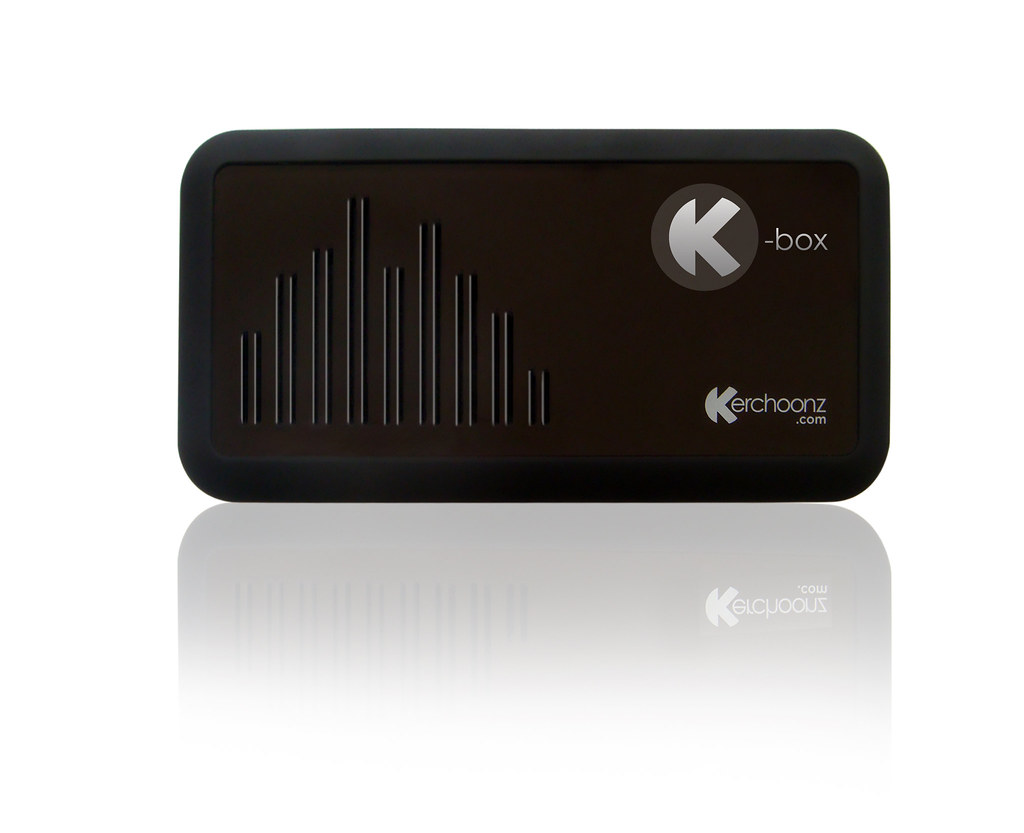
Bluetooth speakers are a profitable category in the Saudi market, from small portable units to large party speakers. Demand is strong for events, desert trips, and rest houses, but this category is full of inflated audio-power claims, and importers who cannot read them buy a product that disappoints customers and drives a high return rate. This guide explains how to source intelligently and avoid the traps specific to this category. We cover where speakers are truly made, how to read power figures correctly, which certifications you need, and how to ship at the lowest cost, so you buy a product that satisfies customers and protects your margin.
Why China for This Category
China manufactures the vast majority of the world's portable speakers and owns the full supply chain, from drivers and amplifiers to Bluetooth chips and batteries. That gives you enormous variety in size, power, and price, with high flexibility for private-label customisation. You can order a sleek desk speaker, a massive illuminated party unit, or a waterproof speaker for the pool and outdoors, all under your own brand and packaging.
Where to Find the Best Factories
Unlike other electronics, this category has its own dedicated capital:
- Enping, Guangdong: nicknamed China's "audio capital," it specialises specifically in speakers, microphones, and karaoke units. Here you find the best expertise in audio engineering and tuning.
- Shenzhen: high-tech smart and compact speakers, plus modern Bluetooth chipsets.
- Guangzhou: assembly, packaging, and export offices near the ports.
Knowing that Enping is the audio hub gives you the edge to compare genuinely specialist factories instead of generic middlemen who buy from others and mark up the price. Ask to visit the factory's listening room to judge the real sound yourself.
The Most Common Quality Pitfalls
This category is famous for exaggeration, so focus on:
- Claimed vs actual power: many factories advertise Peak power instead of real RMS power. Always ask for the true RMS rating, the honest measure of sound.
- Distortion at high volume: test the speaker at maximum volume for a while; cheap units distort the sound, overheat, and can burn out.
- Water resistance: an IPX7 rating matters for pool and outdoor speakers; verify it with a test report, not a claim.
- Bluetooth range and stability: a modern Bluetooth version (5.0 or higher) and a stable connection range without dropouts.
- Battery life: real playback hours at medium volume, not the claimed minimum.
- Connector quality: charging ports and inputs must be sturdy enough for repeated use.
Required Certifications and Approvals
A speaker is a Bluetooth device with a lithium battery, so it needs:
- SASO / SABER: mandatory for the Product Certificate, Shipment Certificate, and customs clearance.
- CST approval: required for any device transmitting Bluetooth before sale.
- Battery certification UN38.3: mandatory for air freight, and increasingly important for large-battery party speakers.
- RoHS: to confirm freedom from hazardous substances.
Shipping, Costs, and Minimum Order
Speakers are heavier and bulkier than earbuds, so sea freight through Jeddah Islamic Port or King Abdulaziz Port in Dammam is usually the cheaper option, especially for large party units. Watch the shipment volume (CBM), as it can affect your transport cost more than weight does. Design compact packaging that reduces volume without sacrificing protection, since every extra cubic metre feeds straight into your landed cost, and plan arrival ahead of the event and travel seasons when demand spikes.
- MOQ: typically 100 to 500 units depending on size and model.
- Rough factory cost: from SAR 20 for small speakers to SAR 200 or more for powerful party units.
- Factor in 15% VAT, customs duty, and the cost of high volume in your final price.
Common Mistakes Importers Make
The main ones: believing inflated Peak power figures, skipping the distortion test at high volume, ignoring the shipment volume that raises sea-freight cost, not verifying the claimed water-resistance rating, and neglecting CST approval. A speaker that distorts or fails after a few weeks destroys your store's reputation and raises returns.
The rule: real power is measured in RMS, not the flashy Peak numbers printed on the box.
At Terrace International, our on-the-ground team in Enping and Guangzhou selects genuinely audio-specialist factories, tests real power, sound quality, and battery before shipment, and manages SASO, SABER, and CST approvals plus sea-freight logistics. Talk to us to import speakers that live up to your customers' expectations.
Related Articles
Product Import Guides
Importing Tablets and E-Readers from China to Saudi Arabia
Jul 16, 2026
Product Import Guides
Importing Car Dash Cams and In-Car Electronics from China to Saudi Arabia
Jul 14, 2026
Product Import Guides
Importing EV Chargers and Charging Stations from China to Saudi Arabia
Jul 12, 2026