Importing Bottling and Labeling Lines from China to Saudi Arabia
Mar 24, 2026
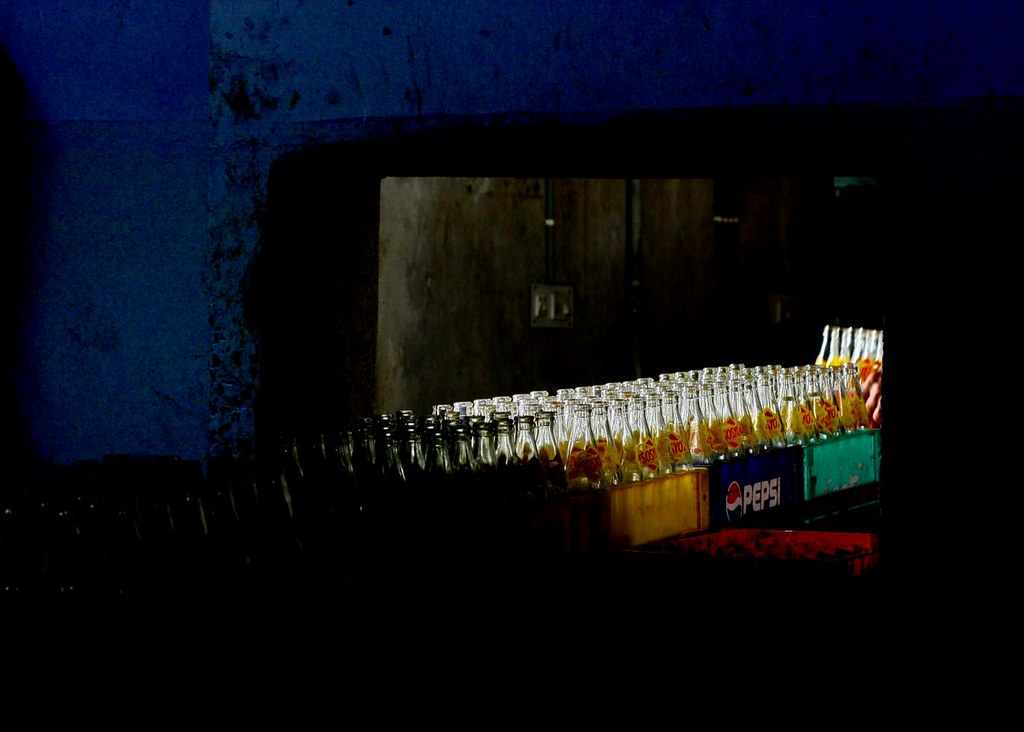
Water, juice, and beverage plants are among the most sought-after industrial projects in Saudi Arabia, for obvious reasons: a hot climate, enormous year-round consumption of bottled water, Hajj and Umrah seasons that consume billions of bottles, and a hospitality sector that never stops expanding. The heart of any such factory is the bottling line: preform blowing, filling and capping, labeling, and final packing. China is now the world's leading source for these lines at every level, and the difference between a successful project and a struggling one begins with how you select the line and the supplier.
Why China for Bottling Lines
The major Chinese factories in this sector have been exporting complete lines for over twenty years, offering monobloc triblock technology (rinsing, filling, and capping in one frame) at speeds from 2,000 to more than 20,000 bottles per hour. Prices run approximately 40 to 60 percent below European lines, with quality that has become very acceptable in the mid and upper ranges — especially when electrical and pneumatic components are specified from global brands.
Where the Lines Are Made
- Zhangjiagang and Suzhou (Jiangsu): the world's best-known cluster for water and beverage filling machines, blow molders, and the accompanying water treatment systems.
- Shanghai: high-speed lines and hot-fill juice lines.
- Wenzhou (Zhejiang): labelers, shrink wrappers, and carton packers.
- Guangzhou (Guangdong): economical options for small and mid-size lines.
Line Components and How to Size the Speed
A complete water plant line includes: water treatment and filtration, PET blow molding, the filling triblock, a labeler (shrink sleeve or adhesive), then shrink or carton packing. Size the speed on a realistic three-year sales plan — a line bigger than your need freezes capital, while a smaller one chokes your growth. And keep the line balanced: a labeler slower than the filler means a bottleneck every single day.
Essential Pre-Shipment Checks
- Run the whole line connected end to end — not machine by machine — using your actual bottle and cap.
- Measure stable speed over a full hour along with the reject rate.
- Confirm all product-contact parts are stainless steel 304 or 316 with material certificates.
- Electrical compatibility with 380V / 60Hz, and named brands for servos, PLCs, and pneumatic valves.
SFDA Requirements and Customs
Water and beverage factories operate under SFDA licensing and supervision — from facility licensing to quality and food-label requirements — so start those procedures early, in parallel with ordering the line. The equipment falls under SABER conformity with a shipment certificate, customs duty of approximately 5 percent, and 15 percent VAT, with possible duty exemption on production equipment for industrial license holders — a major saving on a multi-million-riyal line. Sea freight from Shanghai to Jeddah Islamic Port or King Abdulaziz Port in Dammam takes approximately 18 to 30 days, and the line usually ships in several containers with engineers dispatched for installation and commissioning.
Realistic Costs
- Small water line at 2,000 bottles per hour (triblock): approximately USD 40,000 to 80,000.
- Mid-size line at 5,000 to 8,000 bottles per hour with automatic blowing: approximately USD 130,000 to 320,000.
- Shrink sleeve labeler with steam tunnel: approximately USD 16,000 to 40,000.
- A complete water factory with treatment and packing realistically starts at USD 270,000 to 800,000 in equipment depending on speed.
The golden rule: demand a factory acceptance test (FAT) of the entire connected line running your actual bottle, and do not ship before the acceptance report is signed.
Common Mistakes
The recurring errors: buying machines from different suppliers with no single coordinator, so every breakdown becomes a blame game; neglecting blow mould quality and getting inconsistent bottles; forgetting consumable spares and extra filling valves; and signing without clear penalties for delay or for missing the contracted speed. A good line is one integrated engineering deal — not a row of machines standing next to each other.
The Terrace International field team in Guangzhou and Shenzhen manages the whole deal for you: qualifying line builders in Jiangsu and Shanghai, negotiating, attending the acceptance test, then handling shipping and customs clearance to your plant. Contact us and build the bottling line your project deserves.
Related Articles
Product Import Guides
Importing Tablets and E-Readers from China to Saudi Arabia
Jul 16, 2026
Product Import Guides
Importing Car Dash Cams and In-Car Electronics from China to Saudi Arabia
Jul 14, 2026
Product Import Guides
Importing EV Chargers and Charging Stations from China to Saudi Arabia
Jul 12, 2026