Importing Butcher Shop Equipment from China to Saudi Arabia
May 09, 2026
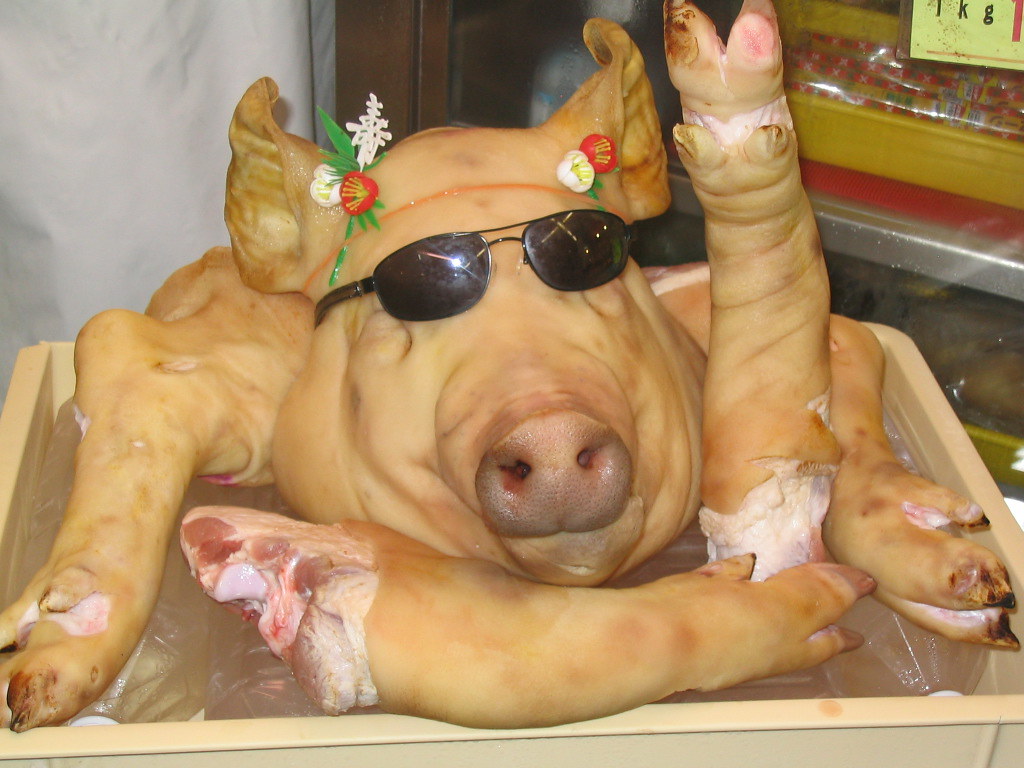
Butcher shops and fresh meat stores are one of the most stable-demand retail activities in Saudi Arabia, and as municipalities raise hygiene and quality requirements, the old traditional shop can no longer compete with modern butcheries fitted with elegant display chillers, gleaming stainless equipment, and professional cutting stations. Fitting out a modern butchery entirely from the local market is expensive; importing the same equipment directly from China cuts the bill substantially — whether you own a single shop, are opening a chain, or trade in equipment serving this sector.
The Equipment Package a Modern Butchery Needs
- Meat display chillers: refrigerated glass counters 1.5–3 metres long — the face of the shop and the biggest budget line.
- A small chiller or freezer room for carcasses and stock.
- An electric bone saw with stainless table and spare blades.
- A commercial meat grinder sized for Eid-season peaks, not average days.
- A slicer and a kebab/burger forming machine depending on the shop's offering.
- Cutting tables with food-grade boards, hanging rails and hooks, sinks, and a legally certified scale.
Where Butchery Equipment Is Made in China
- Guangzhou and Foshan (Guangdong): the biggest hub for display refrigeration, commercial kitchen equipment, and stainless fabrication — where a full package can be consolidated into one container.
- Zhejiang (Wenzhou, Ningbo): grinders, slicers, and small electrical machines.
- Shandong and Hebei: heavier meat-processing machinery and slaughterhouse lines for larger projects.
Quality Specifications You Should Never Compromise On
- Stainless 304 on every meat-contact surface: not a luxury but a hygiene requirement and your only protection against rust under daily washing with water and detergents. Grade 201 is acceptable only for external frames.
- Safety on saws and grinders: blade guards, emergency stops, and earth-leakage protection — a butchery is a wet environment and electrical shortcuts are not an option.
- A display chiller that survives summer: demand a high-ambient operating specification, double glazing against condensation, and lighting that shows meat in its natural colour.
- Motor duty rating: a grinder that overheats after a few minutes will fail you at the Eid al-Adha rush; ask for the continuous-duty specification in writing.
- Tool-free disassembly: every meat-contact part must come apart without tools for daily cleaning.
Ask for a factory video of each machine running under a real load, and keep a golden sample standard for chains ordering repeat batches.
Requirements and Certification
Electrical equipment falls under SASO regulations and must be registered on the SABER platform with conformity certificates issued before the shipment arrives, backed by electrical safety test reports from accredited labs. The shop itself is licensed under municipal food-activity requirements covering cleanable surfaces, refrigeration integrity, and meat cold-chain handling, so equipment with clear certificates and 304 surfaces makes licensing and periodic inspection far easier. Confirm 220V/60Hz electrical compatibility, and remember that scales used for selling must be legally certified for trade.
Realistic Costs and MOQs
- 2-metre meat display chiller: approximately USD 800–2,400 ex-factory depending on compressor and glazing.
- Commercial bone saw: approximately USD 210–800.
- Commercial meat grinder: approximately USD 190–670.
- Small cold room: approximately USD 3,200–6,700.
- Full butchery fit-out: typically USD 6,700–18,700 ex-factory — often half of what the same package costs locally.
MOQs are flexible: Guangzhou wholesalers sell single units, while factories prefer 5–10 units per model. Sea freight to Jeddah Islamic Port or King Abdulaziz Port in Dammam takes approximately 18–30 days; add customs duty of roughly 5% and 15% VAT for the landed cost.
Common Mistakes
The most frequent: accepting grade 201 steel on contact surfaces, buying a display chiller specified for a cold climate that sweats and fails in summer, forgetting spare blades and grinder plates in the same shipment, never testing motors under real load, and leaving SABER registration until the container is already held at port.
Golden rule: test the grinder and the bone saw on real meat and bone at the factory before shipping — running empty reveals nothing about a weak motor.
Terrace International operates a field team in Guangzhou and Shenzhen that shortlists reliable butchery equipment factories, verifies steel grades and motors before loading, negotiates prices and spare parts, and manages shipping and customs to your shop door. Get in touch and fit out a modern butchery at true factory cost.
Related Articles
Product Import Guides
Importing Tablets and E-Readers from China to Saudi Arabia
Jul 16, 2026
Product Import Guides
Importing Car Dash Cams and In-Car Electronics from China to Saudi Arabia
Jul 14, 2026
Product Import Guides
Importing EV Chargers and Charging Stations from China to Saudi Arabia
Jul 12, 2026