Importing Camping and Outdoor Gear from China
May 06, 2026
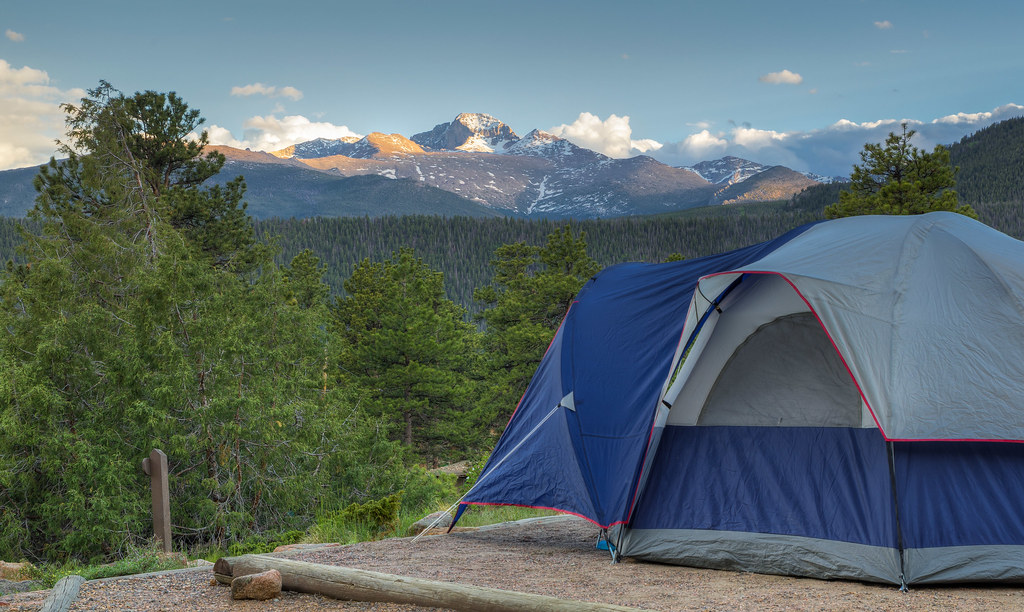
As Saudi Arabia's outdoor and desert-trip culture expands, especially through the winter camping seasons and desert festivals, camping gear has shifted from a seasonal item into a business of its own. Tents, chairs, folding tables, backpacks, sleeping bags and lanterns are all good-margin products if you import them smartly from source. Here is how to do it from China.
Why import from China
China is the world's factory for outdoor gear, offering a combination that is hard to match:
- Cost savings of up to 50 to 70 percent versus global brands.
- An enormous range, from automatic and dome tents to upholstered chairs and cooler boxes.
- Mature supply chains for fabrics (polyester, Oxford, ripstop), aluminum and fiberglass poles.
- High flexibility to customize and print with your store's logo.
Buying direct also lets you curate a coherent range instead of a random shelf. You can match fabric weights, color families and price tiers across tents, chairs, bags and lanterns so the whole display looks like one considered collection, which is exactly what drives basket size in outdoor retail. It also lets you tune the mix to the Saudi calendar, heavier winter camping kit for the desert season and lighter shade and day-trip gear for the rest of the year, rather than being stuck with whatever a wholesaler cleared out.
Where in China to source
Zhejiang Province is the main hub for tents and camping gear, specifically the cities of Ningbo, Beilun and Yuyao. This is where the largest cluster of specialized tent factories sits. For technical fabrics and textiles, Jiangsu and Zhejiang form China's textile heartland.
Metal products such as folding chairs, tables and small stoves cluster in Guangdong and Hebei. For backpacks and technical bags, Quanzhou in Fujian Province specializes in bag manufacturing. As always, the source closest to the specialization means higher quality and a better price.
Certifications and quality
Camping gear is less sensitive than children's toys, but it has decisive tests that determine customer satisfaction:
- Water resistance (water column): measured in millimeters; a good tent for Saudi conditions needs 2000mm or more for the floor, and slightly less for the fly.
- Flame resistance: very important for tent fabrics near cooking stoves; request treated, flame-retardant fabrics to standards such as CPAI-84.
- UV resistance: essential for the Arabian sun so color does not fade and fabric does not weaken.
- SASO / SABER: check conformity requirements, especially for electrical items (lanterns, batteries, electric coolers) and gas items (stoves).
QC pitfalls and common mistakes
Customer disappointment in camping gear usually comes from these points:
- Fake lightweight fabrics: some suppliers advertise a higher denier than reality. Request a fabric sample and test it.
- Unsealed stitching: a tent without taped seams leaks regardless of the advertised water column.
- Brittle poles: cheap fiberglass poles crack in cold weather. For heavy use, choose aluminum.
- Weak zippers: zippers are the first thing to fail; insist on a reliable brand such as SBS or YKK.
- Skipping the pre-production sample: do not rely on catalog photos, request an actual production sample.
Shipping, MOQ and cost
Camping gear is a mix of light volumetric cargo (tents and sleeping bags) and heavier metal cargo (chairs and tables). For the best cost, combine different items in one container to balance weight and volume. The MOQ often starts at 300 to 500 pieces per item, and can drop when dealing with a multi-product supplier.
As a rough estimate: a good four-person family tent costs SAR 120 to 350 landed, a folding camping chair SAR 25 to 70, and a mid-range sleeping bag SAR 40 to 120. Add 5 percent customs duty, 15 percent VAT, plus clearance and inland transport. Combine a full range (tent, chair, table, lantern) to offer the customer a complete bundle on a single capital outlay.
On lead times and terms: expect 30 to 45 days of production for a mixed order, plus 25 to 35 days of sea freight to Jeddah or Dammam, so place winter-season orders by late summer. Agree Incoterms early (FOB Ningbo is standard for tents) and use the 30 percent deposit, 70 percent balance-after-inspection structure. Because this category spans many small SKUs, insist on a clear packing list and carton labeling, mixed shipments without proper labeling turn customs clearance and warehouse sorting into a slow, error-prone headache that eats into your margin.
Build your range with Terrace International
Terrace International's Guangzhou team visits the Ningbo and Quanzhou factories, checks fabric denier, water column and zipper quality in person, and consolidates your varied range into a single cost-efficient shipment, while managing clearance through Jeddah and Dammam. Contact us to build a winning camping range suited to the Saudi desert season.
Related Articles
Product Import Guides
Importing Tablets and E-Readers from China to Saudi Arabia
Jul 16, 2026
Product Import Guides
Importing Car Dash Cams and In-Car Electronics from China to Saudi Arabia
Jul 14, 2026
Product Import Guides
Importing EV Chargers and Charging Stations from China to Saudi Arabia
Jul 12, 2026