Importing Car Accessories from China to Saudi Arabia: Interior and Exterior
Mar 14, 2026
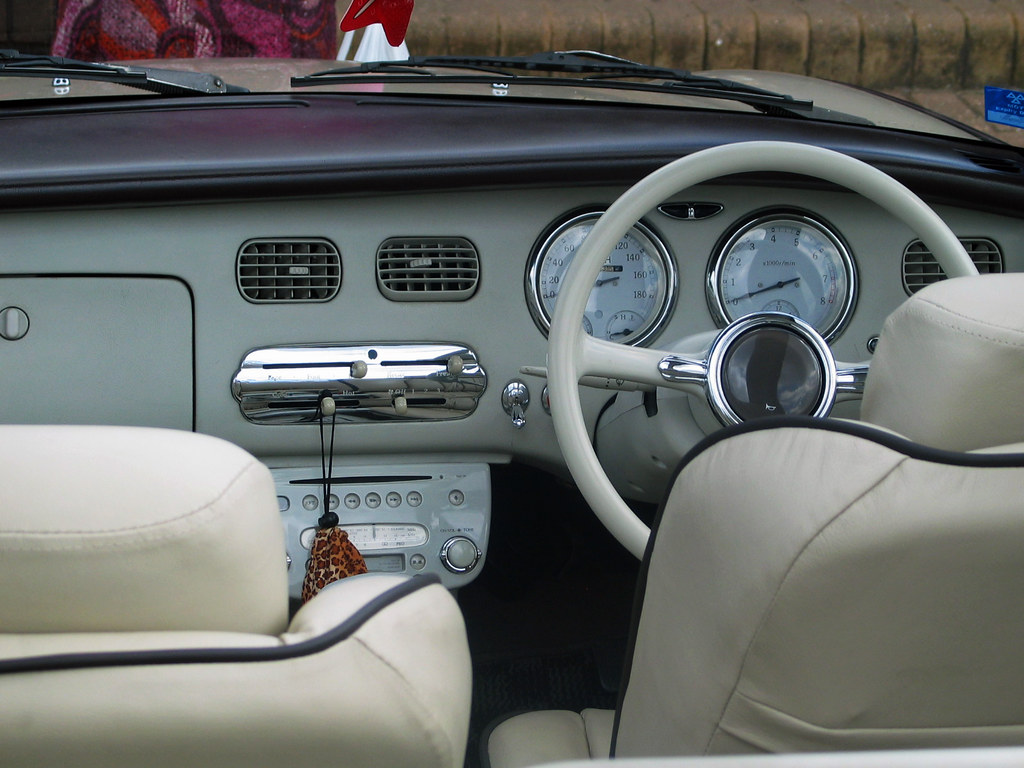
Saudi Arabia ranks among the world's highest per-capita spenders on cars, and the culture of customising and equipping vehicles runs deep — among young drivers and fleet owners alike. From floor mats and seat covers to Android head units, parking sensors, and ambient lighting, accessories are an ideal category for both new and scaling traders: relatively low entry capital, margins that can exceed 100% per piece, and fast inventory turnover. It is also a crowded category, though, and winning depends on smart assortment and consistent quality far more than on price alone.
Why China Is the Center of This Category
China produces the overwhelming majority of the world's car accessories, with a supply chain covering everything — plastic moulds, synthetic leather, electronics, and LED lighting — in one integrated ecosystem. Most importantly for a Saudi trader, Chinese factories tool up specifically for the models common in the Gulf: Toyota, Hyundai, Ford, Nissan, Changan, and Geely. No other sourcing destination offers that model coverage at this flexibility and price.
Where to Buy: Guangzhou First
- Guangzhou: the world's largest concentration of auto parts and accessories markets, led by the specialised Yongfu district — this is where factories, agents, and new designs appear first.
- Yiwu (Zhejiang): small fast-moving accessories — phone holders, air fresheners, organisers — at flexible quantities and low prices.
- Shenzhen: the electronic side — media screens, dash cams, trackers, and parking sensors.
How to Build a Winning Assortment
The biggest mistake is importing a little of everything. The stronger play is to build around clear pillars: sun-and-heat protection products (sunshades, window films, car covers) — the fastest movers in the Gulf; then comfort upgrades (model-specific leather mats, cushions, organisers); then higher-margin electronics. Ask your supplier for data on the models most requested by Gulf buyers, and cross-check it against what actually sells in your local market before committing quantities.
Quality Traps in This Category
- Synthetic leather: the difference between a material that survives a parked-car cabin exceeding 70°C and one that cracks within months. Demand the material spec and a documented heat-aging test.
- LED lighting: colour-temperature drift between batches and overheating drivers; keep a golden sample and lock the electrical specification in writing.
- Model-specific moulds: a mat or cover that does not fit the Gulf-spec model (which can differ from the US or Chinese version) means dead stock.
- Odour and materials: the sharp smell of cheap plastic is a leading cause of returns — evaluate it on the sample before ordering.
Approvals, Clearance, and Costs
- Many accessories fall under the SABER platform as consumer products, and the electronic items may need additional conformity certificates — identify the requirement per SKU before buying, not after.
- Budget customs duty of approximately 5% and 15% VAT.
- Approximate ex-factory prices: custom-fit mat sets USD 11–32; seat cover sets USD 16–55; Android head units USD 55–160 depending on spec.
- MOQ: relatively flexible — often 50–300 pieces per SKU, and multiple SKUs can be consolidated into one container.
- Shipping: sea freight approximately 18–30 days to Jeddah or Dammam; LCL (groupage) is a sensible option when starting out.
Common Mistakes
Importing fashion-sensitive items in huge volumes; ignoring Gulf-model fitment; buying from a wholesale-market middleman at what you think is factory price; spreading capital across too many SKUs with no depth in the winners; and forgetting local warehousing cost in the margin calculation. Each one quietly erodes a business that looked profitable on paper.
Golden rule: in accessories, depth beats breadth — ten winning SKUs with real stock depth outperform a hundred scattered ones.
The Terrace International field team in Guangzhou and Shenzhen walks the Yongfu markets and factory floors on your behalf, collects and compares quotations, inspects quality before shipment, and consolidates your SKUs into one cost-efficient container. Get in touch and enter the car accessories trade with a measured plan.
Related Articles

Product Import Guides
Importing Tablets and E-Readers from China to Saudi Arabia
Jul 16, 2026
Product Import Guides
Importing Car Dash Cams and In-Car Electronics from China to Saudi Arabia
Jul 14, 2026
Product Import Guides
Importing EV Chargers and Charging Stations from China to Saudi Arabia
Jul 12, 2026