Importing Ceiling and Exhaust Fans from China
Apr 28, 2026
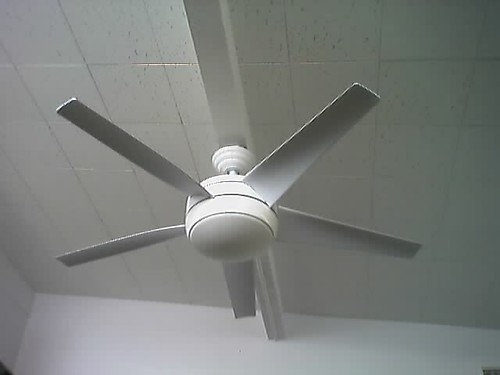
Fans are a high-demand seasonal category in Saudi Arabia, from decorative ceiling fans in the majlis to exhaust fans in kitchens and bathrooms. They look like a simple product, but the difference between a fan that runs silently for ten years and one that rattles and burns out in a single season lies in details invisible in a photo: the motor type, the copper wire, and blade balance. This guide explains how to import ceiling and exhaust fans from China at competitive quality and Saudi compliance.
Why import from China
China produces fans across every price tier and design, with a complete supply chain for motors, blades, and control systems. The key advantage is that it builds specifically to 220V and 50Hz, matching the Saudi grid, with remote controls, multiple speeds, and integrated LED lighting options suited to Gulf market taste.
Where to source in China
Zhongshan (specifically around Guzhen) in Guangdong combines lighting and decorative fan manufacturing, so you find good-quality ceiling fans with integrated lighting there. For industrial and domestic exhaust fans and electric motors, Foshan and Ningbo in Zhejiang province specialize in motors and ventilation products. Choosing the right cluster means a supplier who understands your product, not just a middleman.
Quality control pitfalls to watch
The heart of a fan is its motor, and it is the most common place for substitution. Insist on a pure copper winding motor, not copper-clad aluminum (CCA), because pure copper handles heat, extends life, and reduces energy consumption.
- Blade balance: unbalanced blades cause vibration and noise; request a balance test and a trial run on the sample.
- Noise level: set a maximum noise limit in decibels, because a poor motor disturbs the user, especially in bedrooms.
- Airflow: request an airflow spec (CFM or m3/hour) for exhaust fans to guarantee real ventilation performance.
- Moisture resistance: for bathroom exhaust fans, require an IP protection rating suitable for damp locations.
Certifications and Saudi compliance
Fans fall under the SABER system and the energy-efficiency requirements of SASO, and you need a Product Certificate of Conformity and a Shipment CoC, plus an energy label and electrical safety test reports. Make sure the 220V / 50Hz voltage spec is written into the purchase order and that the factory holds test reports specific to your models. 15% VAT applies through ZATCA on your domestic sales.
Shipping and handling
Ceiling fans with wide blades occupy a relatively large volume for their weight, so most are charged by volumetric weight. Ask for packing that separates blades from the motor to reduce volume and protect edges from bending, because a bent metal or wood blade makes the fan vibrate and cannot be repaired. For exhaust fans, verify protection of the grille and edges from compression. Use a 40-foot high-cube container (40HQ) and distribute boxes for balanced loading, and ensure a clear installation guide is included, because ceiling fans are installed by your customer's technicians.
MOQ, costs and common mistakes
MOQ is usually a few hundred to a thousand pieces per model, and models can be mixed in one container. The costliest mistake is accepting a CCA motor instead of pure copper, followed by skipping the noise and balance test, then ignoring the protection rating for bathroom fans. The fourth mistake is receiving bent blades due to poor packing. Lock the motor type, noise level, and 220V into the contract as binding clauses, and inspect a running sample before confirming production.
Demand a pure copper motor and a sample run test; noise and vibration are the two biggest causes of fan returns.
At Terrace International, our team visits the Zhongshan and Foshan factories, checks motor type, noise level, and blade balance before shipping, supervises blade-protective packing, and manages the SABER and energy-efficiency file and clearance in Jeddah and Dammam. Contact us to import fans that run quietly and last season after season.
Related Articles

Product Import Guides
Importing Tablets and E-Readers from China to Saudi Arabia
Jul 16, 2026
Product Import Guides
Importing Car Dash Cams and In-Car Electronics from China to Saudi Arabia
Jul 14, 2026
Product Import Guides
Importing EV Chargers and Charging Stations from China to Saudi Arabia
Jul 12, 2026