Importing Ceramic & Porcelain Tiles from China
May 20, 2026
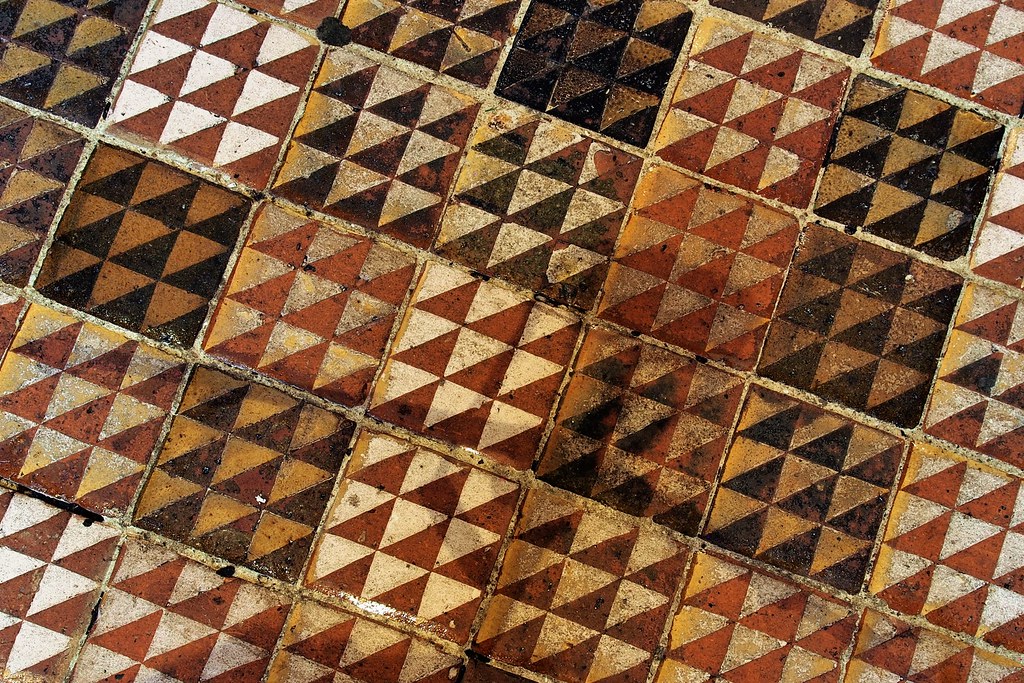
Tile is a deceptive product: the square meter is cheap, but mistakes are costly because they surface after installation, not before. A tile batch with a slightly different tone, a water-absorption rate above the allowed limit, or inconsistent dimensions, are all problems discovered only once the tile is on the wall. And tile has a unique import quirk: it is extremely heavy, which turns all shipping math on its head.
Why Import Tiles from China
China is the world's largest tile producer by a huge margin and excels in large-format porcelain and designs that mimic marble, wood and cement with high-resolution digital printing. The price gap versus European (Italian and Spanish) tile is large, with quality now very close at advanced factories, making it the ideal choice for contractors and building-material traders in Saudi Arabia.
Where to Buy in China
- Foshan, Guangdong: the undisputed tile capital of the world. The Nanzhuang district and China Ceramics City host thousands of factories and suppliers for every type.
- Zibo, Shandong: a large northern hub with competitive pricing for economy tile.
- Qingyuan and Gaoan: production zones near Foshan for high-volume porcelain.
The rule: buy from the factory, and confirm it is the actual manufacturer, not a trader who repackages. Ask to see the production line and kilns.
Ceramic or Porcelain? And the Critical Inspection
Confusing the two is a costly error. The essential difference is water-absorption rate:
- Porcelain: absorption below 0.5%, hard, suited to floors, outdoors and high-traffic areas.
- Ceramic: higher absorption (3%+), better for interior walls and less load-bearing.
Tile-specific inspection points:
- Calibration and flatness: lay several tiles side by side and check for size differences and surface warping, which ruins installation.
- Slip resistance (R rating): for floors, bathrooms and wet areas demand R10 or higher, and R11+ for wet outdoor areas.
- Shade / batch consistency: confirm the entire quantity is from the same production batch (same tone / caliber printed on the carton).
- Wear and glaze resistance (PEI): for high-traffic floors demand PEI IV or V.
- Edge and corner integrity, free of chips and under-glaze spots.
Certification and Compliance
Tile requires a conformity certificate through the SABER platform: a product PCoC then a shipment SCoC before clearance, based on the relevant ceramic standards (largely referencing ISO 13006 / EN ISO). Keep the factory's test reports (absorption, breaking strength, slip) because they are the basis of compliance. Confirm the model genuinely matches the declared standard, not just on paper.
Shipping: A Game of Weight, Not Volume
Here the usual logic flips. Tile is heavy and dense, so a container hits its weight limit before it fills by volume.
The rule: a 20-foot container typically carries only about 26–28 tons, roughly equal to 1,000–1,200 square meters of porcelain depending on thickness. Do not try to cram more; exceeding the truck axle load is a violation in Saudi Arabia and can be fined.
Tile-specific shipping points:
- Loading on tightly shrink-wrapped pallets is mandatory; loose tile shatters at sea.
- Corners and edges are most prone to breakage; verify reinforced carton edges and binding straps.
- Use 20-foot, not 40-foot, containers for heavy tile, because you will hit the weight limit before filling the 40-footer.
The usual gateways are Jeddah Islamic Port and King Abdulaziz Port in Dammam, around 30–40 days.
MOQ, Cost and Common Mistakes
The minimum is often a full 20-foot container per model, and some factories accept mixed models. The most common mistakes: ordering less than the project needs and then being unable to match the batch later, ignoring slip rating in bathrooms (a legal liability), and not ordering 5–10% extra tile for waste, cutting and future breakage. Factor 15% VAT and duties on a heavy weight that can raise relative shipping cost.
Ordering Math, Trims and Rectified Edges
Order in full boxes, not loose meters: factories sell by the box, and the per-box coverage drives your real quantity. Add 8–10% for cuts, breakage and future repairs, and lock the same batch for that overage. Do not forget matching trims, skirting and step nosings up front, because reordering them later in the same shade is rarely possible. If you want crisp, near-grout-less joints, specify rectified tiles (mechanically squared edges) and confirm it on the inspection, as un-rectified tiles need wider grout lines and look cheaper on a feature wall.
At Terrace International our team visits Foshan factories, verifies absorption, calibration and same-batch shade, and calculates container loading by weight rather than volume to avoid load violations, while clearing SABER before shipment. Contact us to import tile that arrives intact, consistent and ready to install in your project.
Related Articles
Product Import Guides
Importing Tablets and E-Readers from China to Saudi Arabia
Jul 16, 2026
Product Import Guides
Importing Car Dash Cams and In-Car Electronics from China to Saudi Arabia
Jul 14, 2026
Product Import Guides
Importing EV Chargers and Charging Stations from China to Saudi Arabia
Jul 12, 2026