Importing Cold Rooms and Refrigeration Systems from China to Saudi Arabia
May 11, 2026
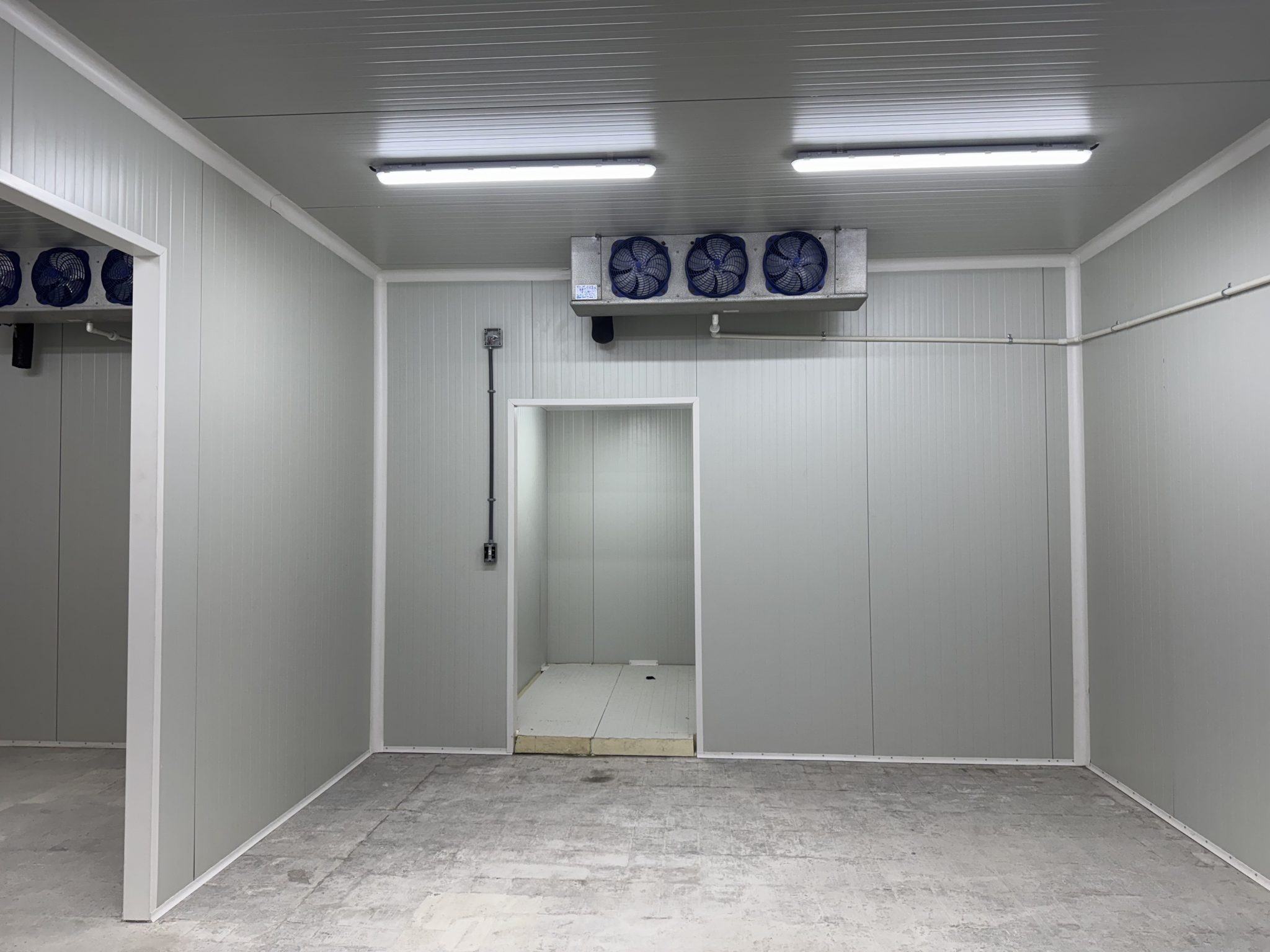
The cold chain in Saudi Arabia is a sector in constant growth: restaurants and catering chains need chiller and freezer rooms, food and pharmaceutical warehouses are expanding, butcher shops and produce stores multiply, and agricultural and logistics projects ride the Kingdom's food-security drive. A cold room is less a product than a system: insulated panels, a refrigeration unit, sealed doors, and electronic controls. Importing that system directly from China typically saves 30–50% versus a fully local build — but a specification mistake here does not show on day one; it shows in the first summer, when the electricity bill spikes or the room fails to hold temperature.
Why China for Refrigeration Systems
China is among the world's largest producers of insulated sandwich panels and refrigeration units, with a range spanning small restaurant walk-ins to cold warehouses of thousands of square metres. The stronger factories build their condensing units around globally recognised compressor brands and assemble them at competitive prices, and they will fabricate your room to your site's dimensions to the centimetre, delivered as fast-assembly panels.
Where Cold Rooms Are Made in China
- Guangdong (Guangzhou, Foshan, Zhongshan): the largest cluster for insulated panels, commercial refrigeration units, and display chillers — and the most convenient base for consolidating a mixed container.
- Zhejiang and Jiangsu: strong factories for condensing units, heat exchangers, and evaporators.
- Shandong: large-scale cold storage projects and industrial refrigeration solutions.
The Specifications That Matter in Gulf Heat
- Insulation thickness: chiller rooms above zero typically use panels of approximately 100 mm; freezer rooms need 120–150 mm, and standard-density polyurethane injection matters more than anything else. Cheap low-density panels mean permanent heat leakage and a permanent electricity bill.
- A unit rated for 50-degree ambient: this is the decisive question. A unit designed for a mild climate runs flat-out all summer and burns out early. Get the rating in writing along with the compressor type and brand.
- Refrigerant: confirm a modern, environmentally acceptable refrigerant whose service supplies are available in Saudi Arabia.
- Doors and sealing: heavy-duty hinges and latches, air curtains or PVC strip curtains, and a door-frame heater on freezer rooms so the door never freezes shut.
- Controls and alarms: a digital controller with high-temperature alarm; temperature logging is important for food and pharmaceutical storage.
Certification and Customs in Saudi Arabia
Refrigeration units and electrical components fall under SASO regulations and must be registered on the SABER platform with conformity certificates issued before the shipment reaches Jeddah Islamic Port or King Abdulaziz Port in Dammam. Verify the Saudi electrical spec of 220/380V at 60Hz — a 50Hz unit will run off-spec and may be rejected. Food and pharmaceutical storage activities are themselves overseen by regulators such as the SFDA, so document the room's ability to hold and log temperature. Add customs duty of roughly 5% and 15% VAT on the shipment value.
Realistic Costs
- Small restaurant chiller room (approximately 2×3 m): USD 3,200–6,700 ex-factory including panels, unit, and door.
- Freezer room of the same size: approximately USD 4,800–9,300, since insulation and the unit are heavier duty.
- Mid-size cold warehouse (100–300 sqm): from approximately USD 24,000 upward depending on height and refrigeration design.
- Insulated panels alone: approximately USD 20–50 per square metre depending on thickness and density.
Sea freight takes approximately 18–30 days. Panels ship flat-packed and use container space efficiently, while condensing units need solid wooden bracing. A complete mid-size room usually fits in a 20-foot container with room to spare for accessories.
Common Mistakes
The classics: buying a unit not rated for Gulf summer ambient, accepting low-density panels without testing, skipping the real cooling-load calculation (room volume, door-opening frequency, temperature of incoming goods), forgetting the freezer door-frame heater, receiving panels without a clear assembly drawing so installation becomes improvisation, and ignoring SABER until the container is stuck at port.
Golden rule: never buy a cold room on price — buy it on a calculated cooling load at 50-degree ambient. Every riyal saved on insulation is paid back many times over in electricity.
Terrace International fields its own team in Guangzhou and Shenzhen to audit refrigeration factories on site, review load calculations and specifications with you, inspect panel density and units before shipment, and manage freight and customs to your project site. Contact us and secure your cold chain from the source with confidence.
Related Articles

Product Import Guides
Importing Tablets and E-Readers from China to Saudi Arabia
Jul 16, 2026
Product Import Guides
Importing Car Dash Cams and In-Car Electronics from China to Saudi Arabia
Jul 14, 2026
Product Import Guides
Importing EV Chargers and Charging Stations from China to Saudi Arabia
Jul 12, 2026