Importing Commercial Elevators and Escalators from China to Saudi Arabia
Apr 17, 2026
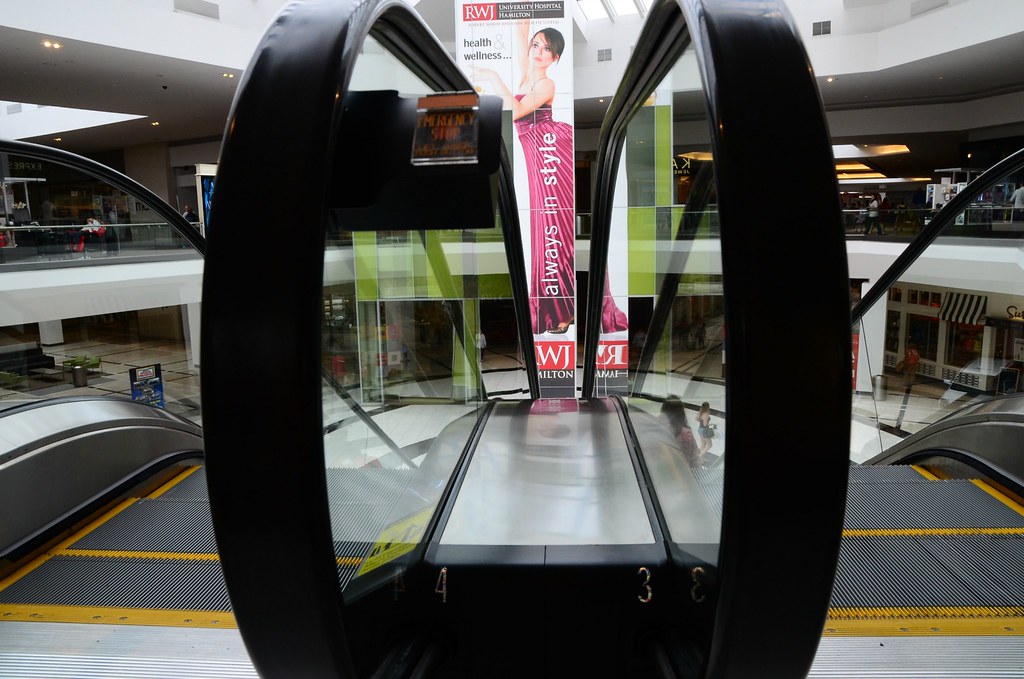
Saudi Arabia's construction boom means tens of thousands of new elevators and escalators every year: residential and hotel towers, shopping centres, hospitals, and mega-projects under way in Riyadh, Jeddah, and the Eastern Province. China is today the world's largest elevator producer by an enormous margin, and many global brands manufacture there themselves. Importing elevators directly from Chinese factories saves approximately 30% to 50% against equivalent European brands — but this is a special kind of import: an engineered product built to your shaft dimensions, requiring a licensed installation partner and a long-term maintenance contract. A mistake here is unlike a mistake in any other cargo.
Why China Is an Elevator Superpower
China produces the majority of the world's new elevators, and its huge domestic market has driven rapid technical progress: machine-room-less (MRL) traction systems, energy-saving permanent magnet motors, and smart control systems with displays and internet connectivity. Many large Chinese factories operate with technology licensed from or shared with the biggest global players, and their production lines are automated to a European standard. The real difference between one factory and another is not the sign on the gate but the components — motor, controller, door sensors, traction ropes — all of which can be specified in your contract.
Where Elevators Are Made in China
- Suzhou and the Wujiang area (Jiangsu): the world's largest elevator manufacturing cluster, home to hundreds of factories from giant to mid-size.
- Huzhou and the Nanxun district (Zhejiang): a historic, strong cluster for elevators and components.
- Guangzhou and Foshan: southern factories close to export ports with solid Gulf market experience.
Safety Standards and Required Approvals
- Design standards: specify elevators designed and tested to the European EN 81 series or the equivalent GSO standards adopted in Saudi Arabia.
- SASO and SABER: elevators and their components pass through conformity assessment and SABER registration before clearance, with type certificates from approved bodies.
- Post-installation inspection: elevators in Saudi Arabia are subject to periodic inspection and operating approval requirements, so make sure the factory's technical file — drawings, calculations, safety component certificates — is complete and acceptable to inspection bodies.
- Safety components: the overspeed governor, safety gear, buffers, and door locks must carry independent type certification; they are the heart of elevator safety.
The Most Important Decision: Installation and Maintenance Partner
An elevator is not a product delivered at the port; it is a project completed through installation, commissioning, and maintenance. Before importing any unit you need: a licensed installation contractor with a track record, an engineer coordinating shaft dimensions and loads with the factory from day one, and a spare parts plan plus a maintenance contract owned by a named party. Serious Chinese factories provide installation supervision and training for your team — put these into the negotiation and the contract rather than leaving them to goodwill. Without this ecosystem, the cheapest elevator becomes the most expensive problem in your project.
Prices, Costs, and Timeline
- MRL passenger elevator, 630 to 1000 kg, for a 6 to 10 floor building: approximately SAR 55,000 to 130,000 ex-works depending on specification and cabin finishes.
- Panoramic or high-capacity units: roughly SAR 120,000 to 300,000.
- Commercial escalator: approximately SAR 90,000 to 220,000 depending on rise, width, and commercial duty grade.
- Production time: approximately 30 to 60 days after drawing approval, plus 18 to 30 days sea freight to Jeddah Islamic Port or King Abdulaziz Port in Dammam.
- Add customs duty of around 5%, 15% VAT, and installation costs typically equal to 15% to 25% of the elevator's value.
Fatal Mistakes in Elevator Importing
The most dangerous: sending inaccurate shaft dimensions so an elevator arrives that physically cannot be installed; buying the cheapest unit with unbranded components whose spare parts become impossible to source; failing to agree installation supervision in writing; neglecting the technical certificate file required for inspection and licensing; and signing without clearly defined warranty obligations — what exactly does the factory cover, and who pays freight on replacement parts? Put everything in the contract.
Golden rule: buy an elevator based on the named components in the contract — motor, controller, safety gear — and the maintenance plan, not based on the cabin photo and its price.
Terrace International's field team in Guangzhou and Shenzhen walks this engineering file with you from the start: visiting elevator factories, reviewing specifications and drawings, negotiating components and warranties, running pre-shipment inspection, and managing freight and clearance. Talk to us before you commit the elevators for your next project.
Related Articles
Product Import Guides
Importing Tablets and E-Readers from China to Saudi Arabia
Jul 16, 2026
Product Import Guides
Importing Car Dash Cams and In-Car Electronics from China to Saudi Arabia
Jul 14, 2026
Product Import Guides
Importing EV Chargers and Charging Stations from China to Saudi Arabia
Jul 12, 2026