Importing Computer Hardware & Peripherals from China
May 24, 2026
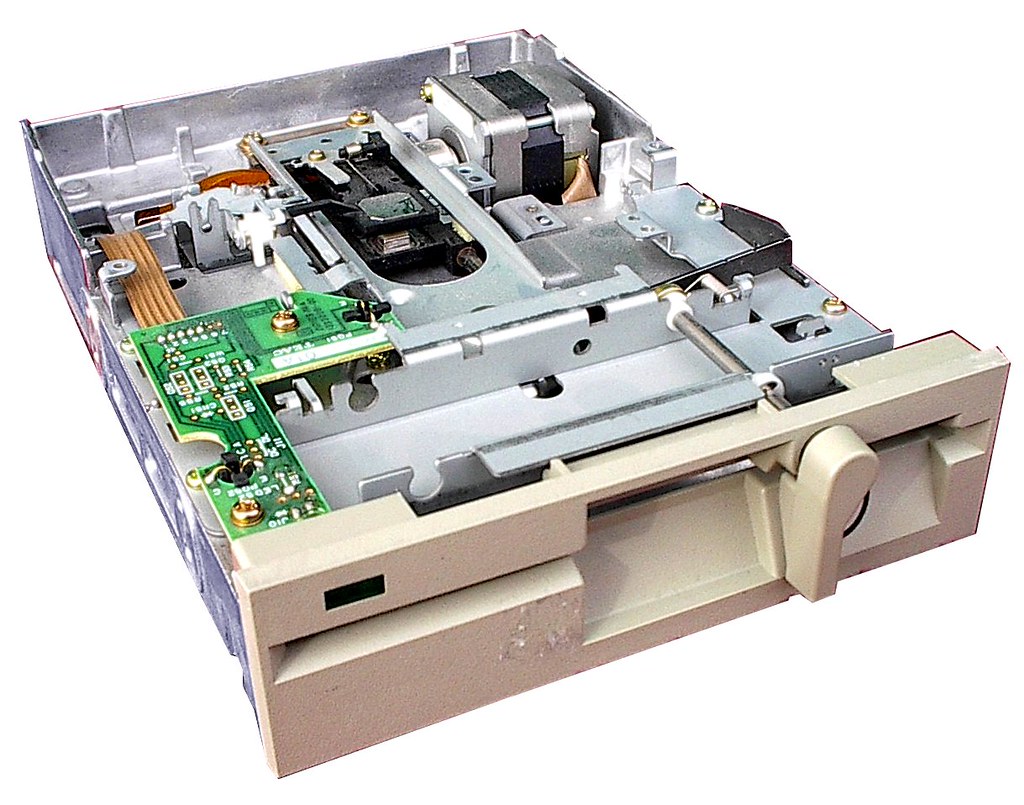
Saudi Arabia's PC-peripherals market keeps growing alongside gaming, remote work and data-centre expansion. From mechanical keyboards and mice to monitors, power supplies (PSUs) and storage, China remains the world's leading source. But this category carries specific risks: counterfeit products, unsafe power supplies and strict electrical-compliance requirements. This guide is written for tech resellers who want a safe, profitable import operation.
Why China is the ideal source
China hosts the world's largest electronics manufacturing base with a complete supply chain for fine components: chips, connectors and printed circuit boards (PCBs). That means highly competitive prices and strong capability for customisation and private-label (OEM/ODM) production. A good mouse can start at USD 2, a mechanical keyboard at USD 8–15, and a certified power supply at USD 15–35 depending on wattage and efficiency.
Where to buy inside China
The beating heart of electronics is Shenzhen in Guangdong province, specifically the famous Huaqiangbei component market, with huge manufacturing clusters in neighbouring Dongguan for peripherals, keyboards and plastic accessories. For monitors, Guangdong and Jiangsu provinces are major hubs. Deal with real factories rather than market middlemen — the difference in quality and price is significant.
Product-specific quality pitfalls
- Power supplies (PSUs): the riskiest item. Confirm the actual wattage matches the rated figure (many overstate it), that over-voltage and short-circuit protections are present, and that a credible efficiency certification such as 80 PLUS is in place.
- Keyboards and mice: check switch lifespan (click count), cable and USB connector quality, and driver compatibility.
- Monitors: inspect dead-pixel rate, colour accuracy, backlight bleed and adapter voltage.
- Counterfeits: beware accessories carrying global brand marks without licence — they are seized at customs and expose you to legal liability.
Compliance: SASO, SABER and standards
Products must be registered on the SABER platform and obtain both PCoC and SCoC certificates. Electrical devices and power supplies fall under electrical safety requirements (via the IECEE system / IEC 62368-1 for IT equipment) and electromagnetic compatibility (EMC). Local requirements: 220–240V for adapter-powered products, a type G plug and an Arabic label. Wirelessly connected products (Bluetooth keyboards/mice) may require approval from the Communications, Space & Technology Commission (CST).
Shipping, MOQ and costs
MOQ typically starts at 500–1,000 units for small accessories. Light, high-value peripherals (mice, keyboards, memory) are best air-freighted via Jeddah or Riyadh when speed matters, while monitors and large volumes go by sea (25–35 days). Add the 15% VAT, customs duty and SABER fees. Remember that high goods value means a higher customs valuation, so plan your working capital.
Common mistakes to avoid
- Buying cheap power supplies without verifying real wattage and protections — a fire and liability risk.
- Importing accessories with fake brand marks, leading to seizure.
- Skipping a real production-run golden sample before full shipment.
In electronics, the cheapest price usually hides cheaper components — and the difference shows up in your return rate.
Terrace International's team in Guangzhou has on-the-ground experience in Shenzhen's markets and Dongguan's factories: we vet manufacturers, lab-test PSUs and peripherals, and manage SABER registration and clearance all the way to Riyadh and Dammam. Contact us to build a reliable import line for computer hardware.
Related Articles
Product Import Guides
Importing Tablets and E-Readers from China to Saudi Arabia
Jul 16, 2026
Product Import Guides
Importing Car Dash Cams and In-Car Electronics from China to Saudi Arabia
Jul 14, 2026
Product Import Guides
Importing EV Chargers and Charging Stations from China to Saudi Arabia
Jul 12, 2026