Importing & Private-Labeling Cosmetics from China (SFDA Notes)
Jun 17, 2026
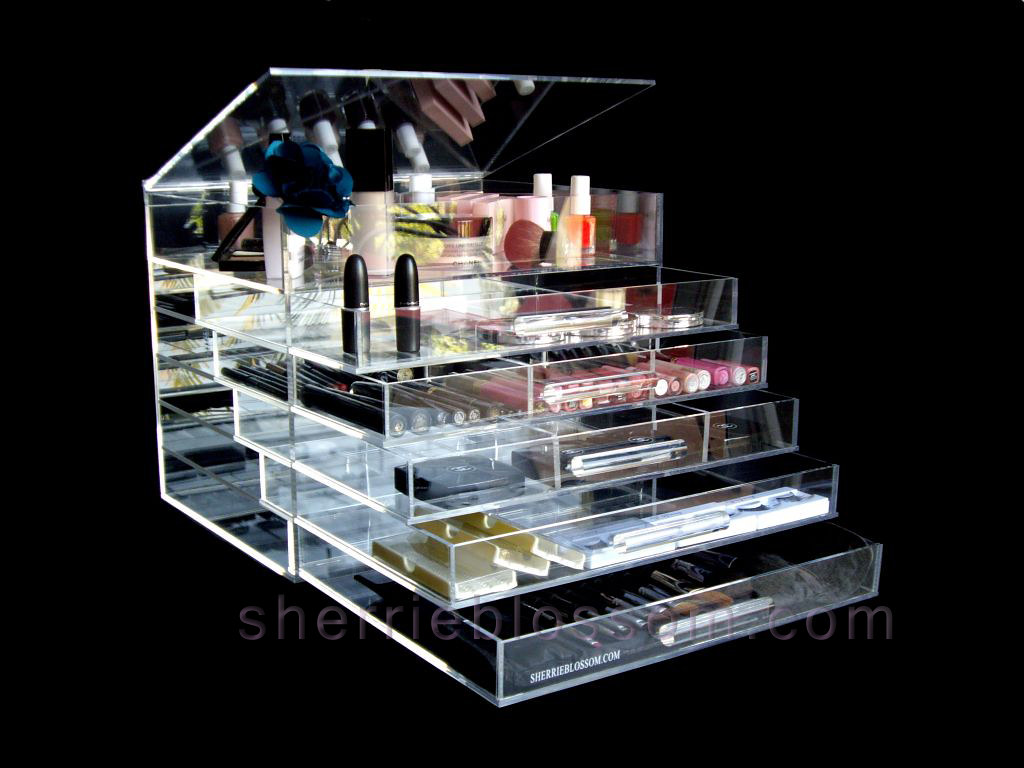
Cosmetics and beauty products carry some of the healthiest margins in any import category, yet they are also among the most tightly regulated in Saudi Arabia. If you want to launch your own private-label skincare, makeup, or haircare brand sourced from China, success rests on three things: choosing the right manufacturing cluster, controlling quality for the Gulf climate, and clearing the Saudi Food and Drug Authority (SFDA) before your first shipment reaches Jeddah or Dammam port.
Why source cosmetics from China?
China produces a vast share of the world's cosmetics and packaging components. Chinese factories excel at private-label manufacturing in two modes: OEM, where you bring your own formula, and ODM, where you select from a library of ready, proven formulas and add your branding. Their minimum order quantities are far lower than Europe or Korea, letting a Saudi entrepreneur launch a complete brand with reasonable capital, with production lead times of roughly 30 to 45 days for stock formulas.
Where to source in China
Cosmetics manufacturing is concentrated in specific regions, and knowing them saves you months of searching:
- Guangzhou, Baiyun district: The de facto capital of skincare, color cosmetics, and haircare manufacturing, home to hundreds of GMP-certified factories with mature OEM/ODM capabilities.
- Shantou: Specializes in baby care, personal care, and skin cleansers.
- Yiwu and Shenzhen: For packaging components — airless bottles, glass jars, droppers, and pumps. Premium packaging and beauty devices usually come from Shenzhen.
Separating the formula factory from the packaging supplier is common, so coordinate the two timelines carefully so one does not arrive late and stall final filling.
SFDA and labeling — the part most importers get wrong
No cosmetic may be marketed in Saudi Arabia before being notified to the SFDA through the electronic cosmetic notification system (e-Cosma). Watch these points before signing with a factory:
- Banned and restricted ingredients: Review the SFDA list. Hydroquinone, mercury, and certain whitening agents are prohibited, yet many Chinese factories add them by default to brightening products.
- Arabic labeling: The label must include the INCI ingredient list, net content, production and expiry dates or period-after-opening (PAO), the batch lot number, responsible-company details, and country of origin.
- Responsible person: A licensed Saudi importer must carry regulatory responsibility before the SFDA.
Request full ingredient disclosure from the factory before shipping, and check it against the SFDA list. Reformulating after 3,000 units are produced is a financial disaster that is hard to recover from.
Quality pitfalls specific to cosmetics
The most recurring issues in this category are:
- Heavy metals and microbial contamination: Request an accredited-lab test report for every batch, covering lead, arsenic, and total microbial count.
- Actual fill volume: Many shipments arrive with less product than printed on the package, so check net weight during inspection.
- Packaging leakage and scent/color stability: The Gulf's high heat can ruin formulas that were not heat-tested, so request a stability test at 40 degrees Celsius for at least one month.
- Batch consistency: Ensure color, texture, and scent match across successive batches against the approved golden sample.
MOQ, costs, and shipping
Private-label MOQs range between 1,000 and 3,000 units per SKU with a stock formula, rising to 5,000–10,000 units for fully custom formulations. Remember that cosmetics are liquids, so the carrier may require a Material Safety Data Sheet (MSDS). Sea freight to Jeddah or Dammam is preferable, with attention to in-container temperatures and avoiding stacking cartons against sun-exposed container walls. Factor the 15% VAT, customs duties, and clearance cost into your final pricing before setting your margin.
Lead times and reorders
Plan for a 30 to 45 day production window plus 25 to 35 days of sea transit, so your first launch needs roughly three months of runway. Keep reorder quantities realistic: a fast-moving SKU can be reordered every 60 to 90 days, while a slow one ties up capital and eats into shelf life. Always retain a small buffer of approved golden samples to compare against future batches, and lock the formula and packaging codes in your purchase order so a factory cannot quietly substitute a cheaper component on the next run.
Common mistakes to avoid
- Ordering production before confirming the SFDA accepts your ingredients.
- Skipping heat-stability testing suited to the Gulf climate.
- Relying on an English-only label without the mandatory Arabic version.
- Combining formula and packaging from different suppliers without a final approved golden sample.
At Terrace International, our on-the-ground team in Guangzhou visits cosmetics factories, audits GMP certificates, pulls samples, and verifies formula compliance with SFDA requirements before you pay a single riyal. Contact us today to build your private label with confidence and safety.
Related Articles

Product Import Guides
Importing Tablets and E-Readers from China to Saudi Arabia
Jul 16, 2026
Product Import Guides
Importing Car Dash Cams and In-Car Electronics from China to Saudi Arabia
Jul 14, 2026

Product Import Guides
Importing EV Chargers and Charging Stations from China to Saudi Arabia
Jul 12, 2026