Importing Electronic Scales from China to Saudi Arabia: Retail and Industrial
Jun 28, 2026
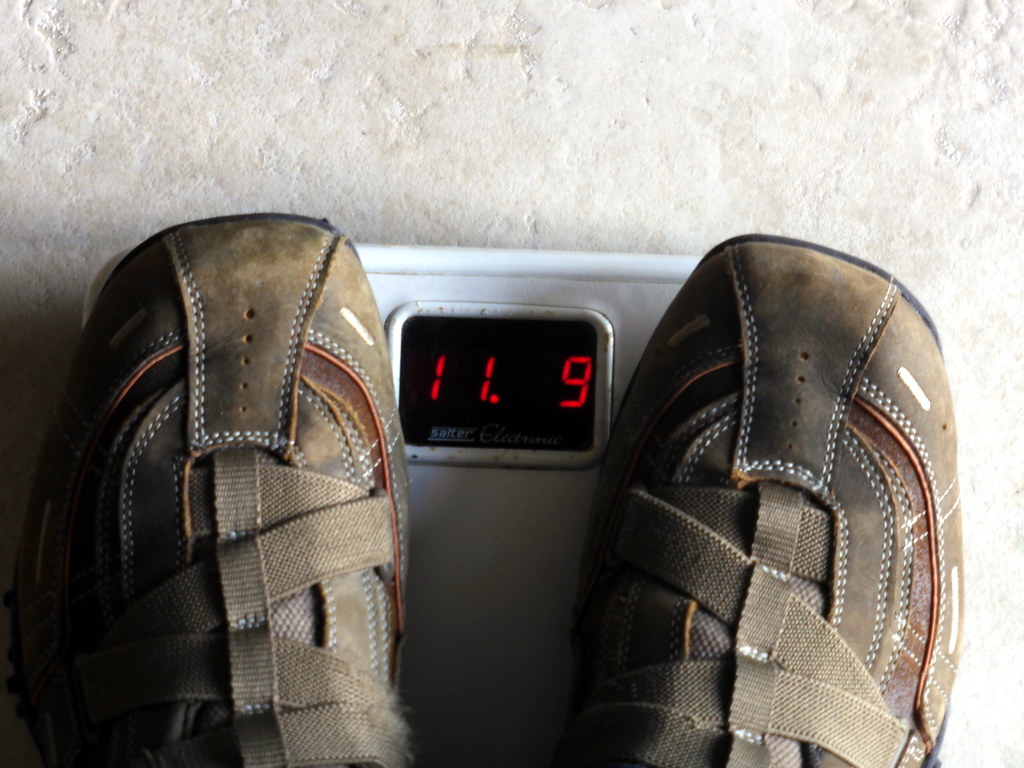
The electronic scale is one of those devices almost no Saudi business can operate without: grocery stores, produce shops, butcheries, spice merchants, gold shops with their precision balances, cloud kitchens and restaurants, warehouses and factories with floor platform scales, even pharmacies and gyms with body-composition scales. It is a wide, self-renewing market — scales wear out, break, and get replaced, and every new business needs at least one. China produces the overwhelming majority of the world's electronic scales at a price gap that allows excellent margins — but with one fundamental regulatory point many importers miss: scales used in buying and selling are legal measuring instruments subject to special calibration and conformity requirements.
Understand the Difference: Legal-for-Trade vs General Use
Scales used in direct commercial transactions with consumers (the grocer, the butcher, the gold shop) are treated in Saudi Arabia as legal metrology instruments, subject to conformity and calibration requirements overseen by the Saudi standards and metrology authorities, potentially including periodic verification after sale. Personal and kitchen scales follow the ordinary electronics conformity path. Plan your product range around this split from day one, and ask the factory for test reports against the international weighing recommendations (such as OIML recommendations for non-automatic weighing instruments), the globally accepted reference for this category.
Where Scales Are Made in China
- Yongkang, Zhejiang: the hardware and scale capital, the largest cluster of retail, kitchen, and body-scale factories.
- Shanghai and Jiangsu: precision industrial scales and high-grade load cells.
- Guangzhou and Shenzhen: smart app-connected scales, label-printing scales for POS systems, and export offices.
Quality Criteria When Choosing
- The load cell: the heart of the scale. Ask about its source and accuracy class — it is the real difference between a scale that holds calibration and one that drifts within months.
- Accuracy and divisions: verify real accuracy across the full weighing range with standard test weights, not at a single point.
- Thermal stability: temperature drift is a genuine problem in our climate, especially for scales in open markets and non-air-conditioned warehouses.
- Display and interface: readability under strong light, and full Arabic support for printing and invoicing scales.
- Protection: butchery and fish-market scales need water resistance (IP65+ for wash-down areas); platform scales need frames that survive rough use.
- Battery and charging: long battery life and chargers rated for 220 V / 60 Hz.
Conformity and Customs
- SABER: product registration, Product Certificate, and Shipment Certificate before clearance.
- OIML-type test reports or equivalent: essential for legal-for-trade scales and a strong accelerator for approval.
- CST approval: for smart scales connecting over Bluetooth or Wi-Fi.
- Marking: a clear data plate with capacity, division, and serial number per requirements.
Customs duty runs around 5% and VAT is 15%; sea freight through Jeddah Islamic Port or King Abdulaziz Port in Dammam takes approximately 18 to 30 days.
Prices and MOQs
- Retail price-computing scale (30–40 kg): approximately USD 12 to 32 (SAR 45–120) ex-factory, selling at SAR 180–400.
- Barcode label-printing scale for supermarkets: approximately USD 93 to 240 (SAR 350–900).
- Industrial platform scale (1–3 tonnes): approximately USD 130 to 400 (SAR 500–1,500) depending on capacity and deck size.
- Kitchen or body scale: approximately USD 2 to 8 (SAR 8–30) — an excellent volume category for e-commerce.
- MOQ: usually 100 to 500 pieces for small scales, 20 to 50 for industrial platforms.
Common Mistakes
Importing trade scales without legal-metrology conformity reports and having them rejected or barred from commercial use; buying cheap load cells that lose calibration fast and destroy your name among shopkeepers; ignoring water protection for butchery scales; failing to offer local calibration and maintenance service — the thing that actually builds wholesale loyalty; and competing on price alone in a category where merchants buy the accuracy that protects their livelihood.
Golden rule: a merchant is not buying a scale — he is buying trusted accuracy that protects him before his customers and the inspectors. Sell that trust and he returns with every branch he opens.
The Terrace International field team in Guangzhou and Shenzhen audits scale and load-cell factories, manages negotiation, samples, pre-shipment inspection, conformity files, and door-to-door clearance. Contact us to build a scale line that serves the Saudi retail and industrial market with confidence.
Related Articles
Product Import Guides
Importing Tablets and E-Readers from China to Saudi Arabia
Jul 16, 2026
Product Import Guides
Importing Car Dash Cams and In-Car Electronics from China to Saudi Arabia
Jul 14, 2026
Product Import Guides
Importing EV Chargers and Charging Stations from China to Saudi Arabia
Jul 12, 2026