Importing Event Tents and Temporary Structures from China to Saudi Arabia
Apr 27, 2026
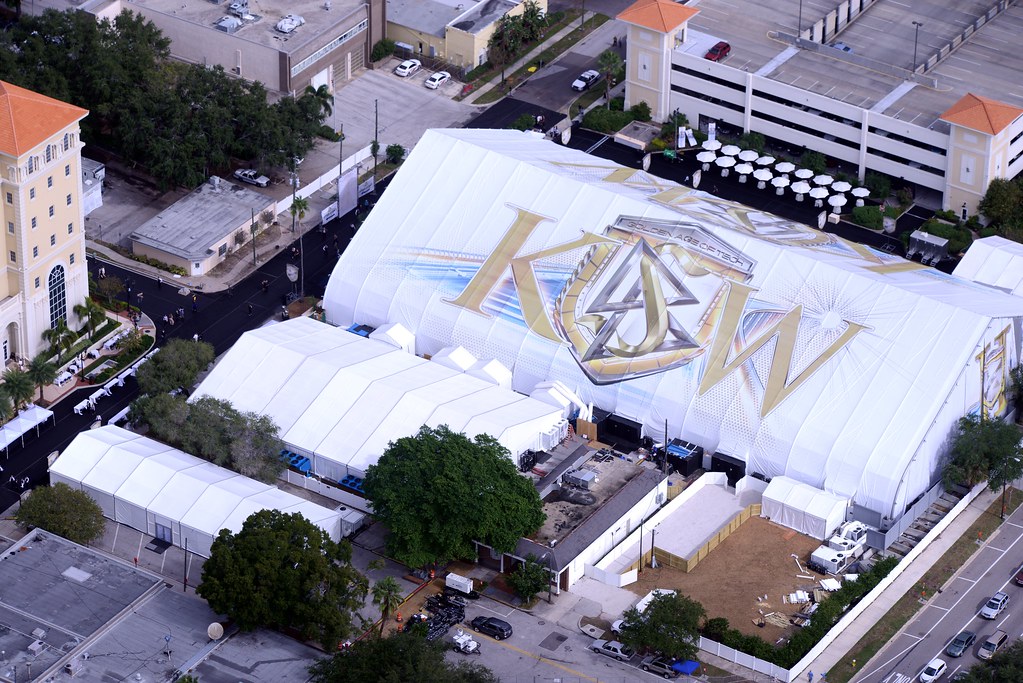
Saudi Arabia's events sector is in the middle of an unprecedented boom. Riyadh Season, Jeddah Season, corporate exhibitions, mega weddings, and government events under Vision 2030 have created enormous demand for high-quality event tents and temporary structures. Event organisers and rental companies that own their tent inventory earn far better margins than those subcontracting equipment for every project. But importing this category has its own fine print: genuinely flame-retardant fabric with real certificates, aluminium frames that survive open-desert wind, and compliance with Saudi Civil Defense requirements — without which you will not even get an event permit.
Why China Leads in Event Structures
China manufactures the vast majority of the world's structured event tents, from small pagoda tents to clear-span temporary halls 40 metres wide and beyond. The core advantage is integration: aluminium extrusion plants, PVC-coated fabric mills, and fabrication workshops all sit within the same industrial regions. That translates into prices roughly 40% to 60% below European equivalents, with comparable quality if you choose and inspect carefully. Chinese factories also offer full customisation — special spans, fabric colours, logo printing, and accessories such as cassette flooring, glass doors, and HVAC-ready openings.
Where They Are Made: Key Clusters
- Guangzhou and Foshan (Guangdong): the largest cluster for professional aluminium structure tents and premium event marquees, with long export experience to Gulf markets.
- Changzhou and Suzhou (Jiangsu): strong factories for large-span structures and temporary exhibition halls.
- Shandong province: economical options for mid-spec tents and industrial storage shelters.
Always visit the factory or send a field team. The difference between a manufacturer with its own extrusion line and a small assembly workshop shows up directly in profile wall thickness and weld quality — the two things that decide whether a tent lasts one season or ten.
Quality Specifications That Protect Your Investment
- Aluminium alloy: insist on 6061-T6 or 6082-T6 profiles with wall thickness of roughly 3 to 5 mm for larger structures. Cheap alloys bend under load and there is no fixing them afterwards.
- PVC fabric: 650 to 900 gsm for roof panels, with UV treatment. This is critical under the Saudi sun, which destroys low-grade fabric within a single season.
- Fire resistance: flame-retardant fabric certified to a recognised classification such as DIN 4102 B1 or equivalent, backed by a genuine test report from an independent laboratory — not a line in a catalogue.
- Wind load: request documented structural calculations for wind speeds of at least 80 to 100 km/h for exposed installations.
- Hardware: inspect base plates, anchoring systems, and sidewall keder rails; these are the first components to fail under repeated assembly and dismantling.
Civil Defense Requirements and Customs
Saudi Civil Defense sets safety conditions for events held in tents, including flame-retardant fabric, emergency exits, and safe electrical load distribution — and event authorities will ask you to evidence these specifications. On the import side, you will need product registration through the SABER platform and the relevant conformity certificates, with detailed invoices separating frames, fabric, and accessories. Customs duty is typically around 5% depending on the tariff line, plus 15% VAT. Shipping for this category is almost entirely by sea due to weight and volume, taking approximately 18 to 30 days to Jeddah Islamic Port or King Abdulaziz Port in Dammam.
Realistic Costs and Minimum Orders
- Professional aluminium structure tents: approximately SAR 90 to 250 per square metre ex-works, depending on span and specification.
- Pagoda tents and small canopies: roughly SAR 400 to 1,500 per unit.
- MOQ: often one container; many factories will accept a single large custom tent since each structure is made to order.
- Budget freight carefully — frames are heavy and fabric is bulky, so smart container loading can save thousands of riyals per shipment.
Common Mistakes Importers Make
The patterns we see most often: buying from catalogue photos without physically checking profile thickness; accepting a fire certificate that is expired or belongs to a different fabric supplier than the one actually used; forgetting spare parts (connectors, bolts, replacement fabric panels) that are painful to source later; and ignoring HVAC load planning, which requires dedicated openings and cable routes in the design. Every one of these mistakes surfaces at the worst possible moment — on event day.
Golden rule: demand a physical sample of the fabric and an aluminium profile cut-off with matching test reports before paying. The entire quality of the tent is summarised in those two pieces.
Terrace International keeps a field team in Guangzhou and Shenzhen that walks tent factories in person, checks profiles, fabric, and welds before shipment, and manages negotiation, inspection, and freight through to your warehouse door. Talk to us before your next order and import structures that serve you for many seasons, not just one.
Related Articles
Product Import Guides
Importing Tablets and E-Readers from China to Saudi Arabia
Jul 16, 2026
Product Import Guides
Importing Car Dash Cams and In-Car Electronics from China to Saudi Arabia
Jul 14, 2026
Product Import Guides
Importing EV Chargers and Charging Stations from China to Saudi Arabia
Jul 12, 2026