Importing Exhibition Stands and Display Systems from China to Saudi Arabia
Apr 25, 2026
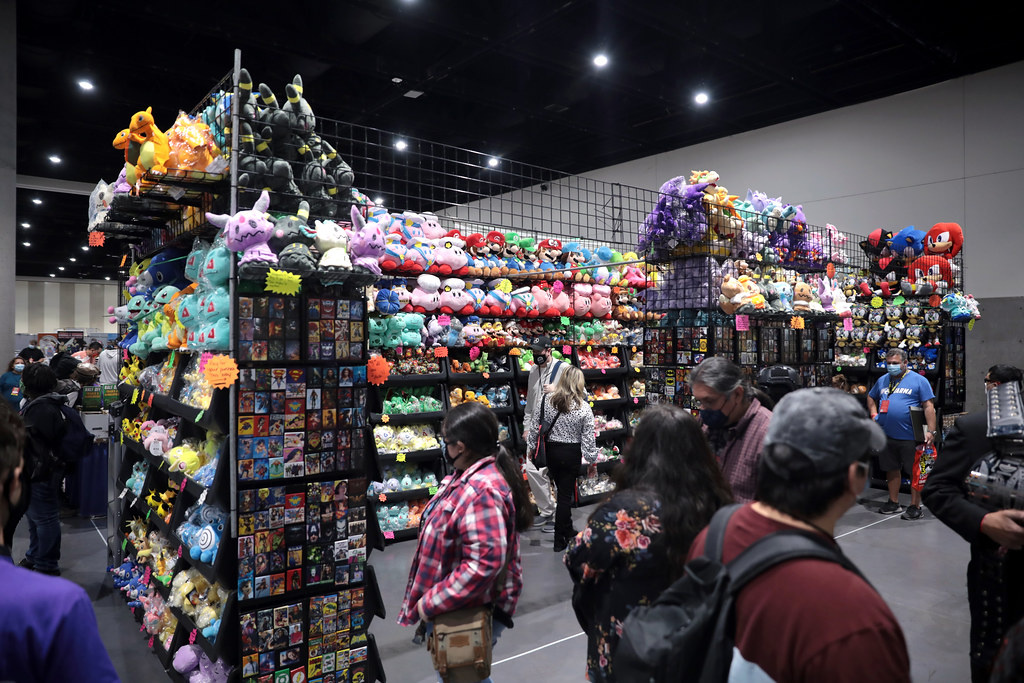
As Saudi Arabia transforms into a regional capital for exhibitions and conferences — from Riyadh's international fairs to events in Jeddah and Dhahran — demand for exhibition stands, display systems, and lightboxes keeps climbing. Advertising agencies and exhibition contractors that import their equipment directly from China instead of buying locally save roughly 40% to 60% and build a modular inventory they can redeploy across dozens of events. But the category is full of quality traps: thin aluminium that dents on first assembly, LED lighting that dims within months, and printed fabric that fades. This guide gives you the right import roadmap.
Why China Is the Hub for Exhibition Equipment
China concentrates every component of this industry in one place: aluminium extrusion, wide-format digital printing on fabric and vinyl, LED lighting electronics, and MDF and acrylic fabrication. The result is that a single Chinese factory can hand you a complete booth — modular frame, high-quality printed graphics, lighting, counters, interactive screens, and transport cases — at a price far below assembling the same components from scattered suppliers. Execution speed is equally striking: fully customised booths are typically produced within 10 to 20 days of design approval.
Where to Find the Best Suppliers
- Guangzhou: the largest cluster for portable display systems, SEG fabric lightboxes, and roll-up banners, with hundreds of factories across the Baiyun and Panyu districts.
- Shenzhen: strongest in advanced lightboxes, interactive displays, and integrating digital signage into booth structures.
- Shanghai and Kunshan: specialists in premium modular systems built on beam and extrusion frameworks for international-grade exhibitions.
Separating true manufacturers from trading offices matters enormously here — many trading companies quote from other factories' catalogues with a heavy markup. A single site visit reveals the real production line and actual print quality.
Quality Benchmarks Before You Sign Any Order
- Aluminium profiles: check thickness and weight; good systems use anodized profiles that resist scratching and survive hundreds of assembly cycles.
- Print quality: request a physical print sample in your brand colours and verify colour accuracy (approximate Pantone matching) and dye-sublimation fastness on fabric.
- LED lighting: ask about chip lifespan, colour temperature, and light uniformity inside lightboxes, and insist on power supplies rated for Saudi Arabia's 220V mains.
- Connectors and locks: the first failure points in modular systems — operate them yourself dozens of times on the sample.
- Transport cases: their quality determines the lifespan of the entire booth as it travels between cities and events.
Certification, Customs, and Shipping
Frames and fabric need no complex approvals, but any electrical component — lighting, screens, power supplies — requires SASO conformity and SABER platform registration before clearance, and any wireless device such as a Wi-Fi-enabled interactive screen may need CST approval. Customs duty is typically around 5%, plus 15% VAT. Sea freight to Jeddah Islamic Port or King Abdulaziz Port in Dammam takes approximately 18 to 30 days and suits large orders, while urgent booths for a fixed event date go by air — calculated carefully against volumetric weight, which can double the bill.
Prices and Minimum Order Quantities
- Roll-up banner stands: approximately SAR 30 to 90 per unit depending on grade, with MOQs starting around 50 to 100 pieces.
- SEG fabric lightbox, 3 x 2.5 m: roughly SAR 1,200 to 3,500.
- Complete 3 x 3 m modular booth with lighting and counter: approximately SAR 4,000 to 15,000 depending on specification.
- Large custom builds: priced per square metre, often SAR 600 to 2,000 approximately, including printing and lighting.
Common Mistakes in This Category
The most frequent failures we see: approving production without a final proofed artwork file, so booths arrive with embarrassing Arabic spelling errors; not verifying that the Chinese factory's designer handled right-to-left Arabic text correctly; buying a modular system incompatible with existing inventory, multiplying spare-part headaches; and compressing the timeline so tightly that a single shipping delay means missing the exhibition. Always plan for the shipment to land at least two weeks before the event.
Golden rule: never approve production before receiving a physical print sample with your brand colours and your Arabic text. Screens lie; fabric tells the truth.
Terrace International's field team in Guangzhou and Shenzhen works directly with exhibition equipment factories: we proof Arabic artwork files, inspect quality piece by piece before shipment, and manage negotiation, freight, and clearance so your booths arrive ready for opening day. Get in touch for a quote on your next project.
Related Articles
Product Import Guides
Importing Tablets and E-Readers from China to Saudi Arabia
Jul 16, 2026
Product Import Guides
Importing Car Dash Cams and In-Car Electronics from China to Saudi Arabia
Jul 14, 2026
Product Import Guides
Importing EV Chargers and Charging Stations from China to Saudi Arabia
Jul 12, 2026