Importing Fencing & Gates from China
Apr 20, 2026
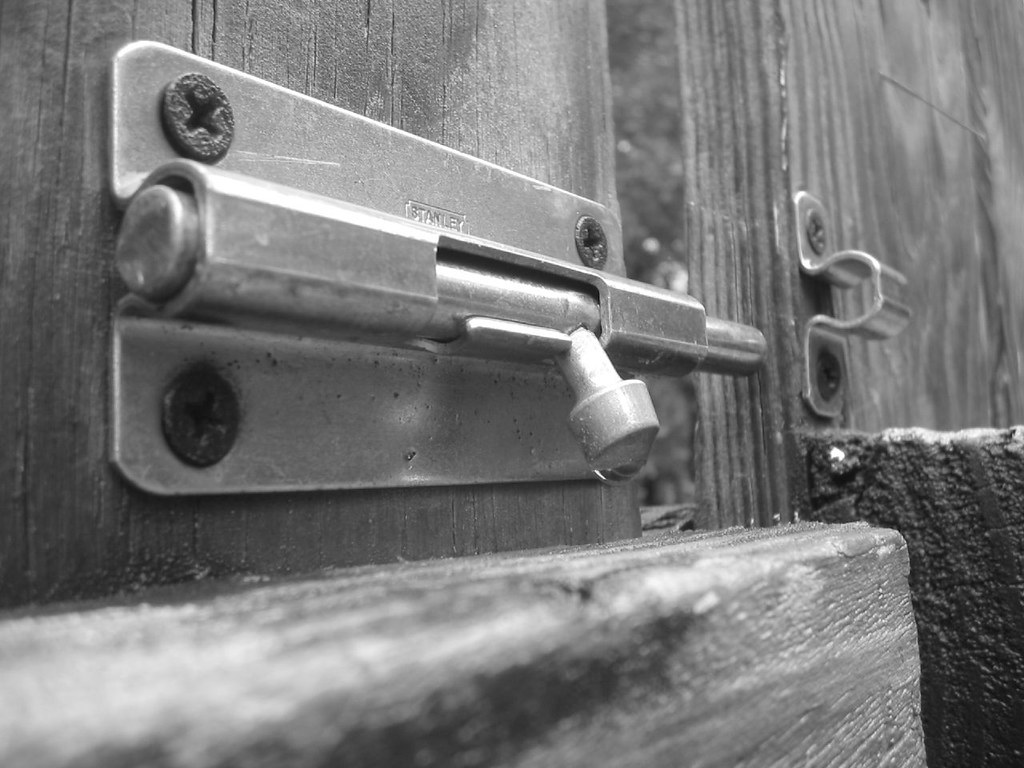
From giga-project site hoarding to compound perimeters, industrial yards and villa gates, fencing is one of the highest-turnover categories in Saudi construction. China, and Hebei's Anping County in particular, produces the majority of the world's wire mesh and fencing, giving Gulf contractors enormous variety at prices no local fabricator can approach. But coastal humidity and 50-degree summers punish the wrong coating fast, so specification and certification decide whether a fence lasts two years or twenty.
Why Import Fencing & Gates from China?
Chinese factories mass-produce chain link, welded wire panels, temporary construction fencing, gabions, anti-climb security mesh, ornamental iron and automated gate systems, often on the same street. The scale drives cost down sharply, and a single supplier can package fencing, posts, fittings and a gate operator into one container. For contractors fencing large sites or repeating the same compound design, direct import can cut cost by 30% to 50% versus regional fabrication while improving lead times.
Where to Buy: China's Fencing Clusters
- Hebei (Anping County): the wire-mesh capital of China, covering chain link, welded panels, temporary fencing, gabions, razor and barbed wire, and anti-climb 358 mesh.
- Shandong and Hebei: ornamental and wrought-iron fencing and gates.
- Guangdong and Zhejiang: automatic sliding and swing gate operators, motors and access control.
- Guangdong: aluminium and modern slat fencing systems.
Buy mesh and panels from Anping, ornamental gates from Shandong, and gate automation from Guangdong or Zhejiang. Because so many Anping factories sit within a few kilometres of each other, it is realistic to combine chain link for site hoarding, welded panels for a permanent boundary and a security mesh run into one negotiated order, which improves both pricing and consistency of galvanising.
Specifications & Quality Pitfalls
Fencing is deceptively simple, and that is where buyers lose money:
- Coating is everything in the Gulf: insist on hot-dip galvanising, or hot-dip plus PVC coating, for coastal Jeddah and Dammam. Light electro-galvanised wire rusts within a season near the sea.
- Wire gauge and mesh aperture: confirm exact wire diameter and opening size; a slightly thinner wire looks identical in a photo but bends and sags in use.
- Post and panel thickness: verify post wall thickness and panel frame gauge, thin temporary-fence panels bow and blow over in wind.
- PVC coating quality: demand UV-stabilised coating with adequate thickness, cheap coating cracks and peels under Saudi sun.
- Gate motors: specify a heat-rated operator (for 50°C), IP54 or higher dust protection, and 220V/60Hz compatibility.
Always confirm the galvanising coating weight in writing and require pre-shipment samples and inspection. A simple field check pays off later: run a magnet and a coating-thickness gauge over a sample, and salt-spray or immersion test data from the factory tells you far more about coastal life expectancy than the price per metre ever will.
SASO, SABER & Certification
Fencing materials fall under Saudi building-material rules, and gate operators, being electrical products, require full conformity. Each shipment needs SABER registration with Certificates of Conformity referencing the relevant SASO standards, and gate motors should carry CE documentation and correct electrical marking. Ask for galvanising and coating test data and the factory ISO 9001 certificate. Without SABER, especially on the electrical gate components, the shipment is held at customs.
Shipping, MOQ & Rough Costs
Welded panels and rolls are bulky, so plan container fill carefully; gabions ship flat-packed to save space, and posts nest efficiently. MOQ is usually one container, though mixed loads of mesh, posts and a gate are common. As a rough guide, chain link runs about 1 to 3 USD per square metre, welded mesh panels 3 to 8 USD per square metre, temporary fence panels 8 to 15 USD each, and gate operators 50 to 150 USD each FOB, before freight and 5% duty and 15% VAT at ZATCA.
Common Mistakes to Avoid
- Accepting electro-galvanised wire for coastal projects and watching it rust.
- Ordering thin PVC coating that cracks under UV.
- Choosing a gate motor not rated for Gulf heat and dust.
- Under-specifying post wall thickness and foundation detail.
- Comparing prices on wire that is secretly a thinner gauge.
Fencing is a coating decision, not a wire decision. In the Gulf, the galvanising outlives everything else.
At Terrace International, our on-the-ground team in China audits fencing and gate factories in Anping and Guangdong, verifies galvanising and coating, negotiates mixed container loads, supervises pre-shipment inspection and handles SABER conformity so your fencing and gates reach Jeddah or Dammam ready to install. Contact us today to source durable perimeter systems from China.
Related Articles

Product Import Guides
Importing Tablets and E-Readers from China to Saudi Arabia
Jul 16, 2026
Product Import Guides
Importing Car Dash Cams and In-Car Electronics from China to Saudi Arabia
Jul 14, 2026
Product Import Guides
Importing EV Chargers and Charging Stations from China to Saudi Arabia
Jul 12, 2026