Importing Fire Safety Equipment from China to Saudi Arabia with Civil Defense Approval
Apr 21, 2026
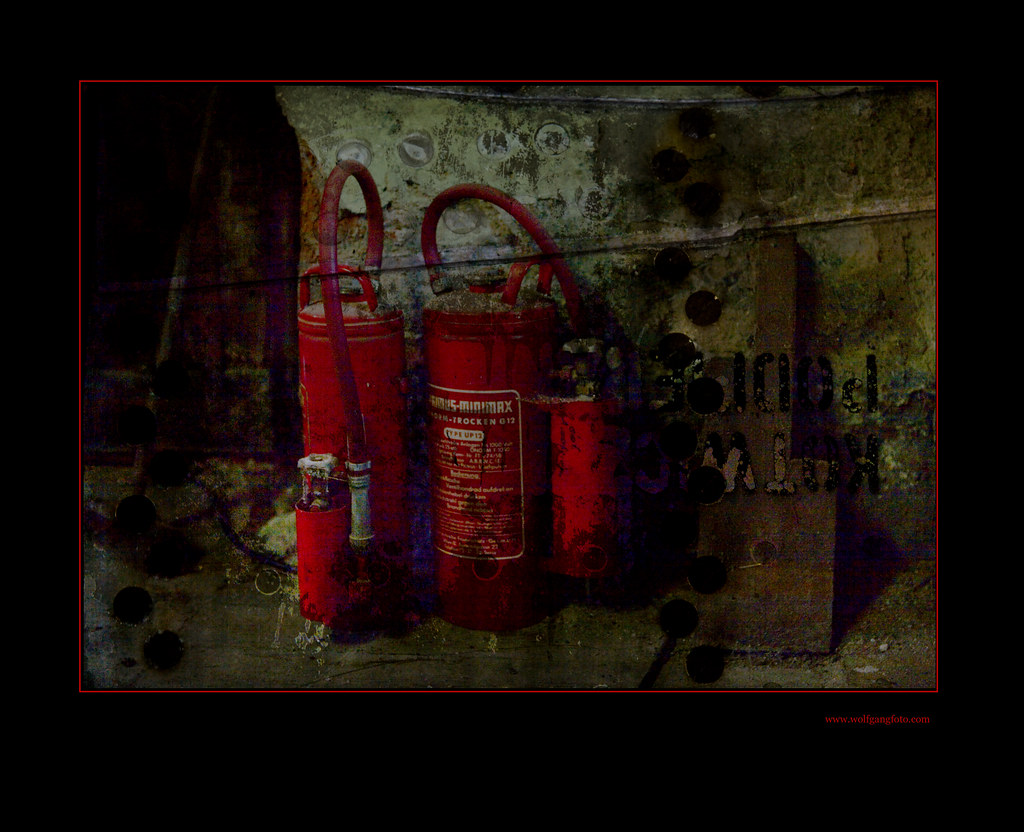
The fire safety equipment market in Saudi Arabia is one of the most regulated and, at the same time, one of the most opportunity-rich markets in the Kingdom. Every commercial, industrial, and residential facility is legally required to carry Civil Defense-approved safety equipment, and the Salama platform has tied business licensing directly to compliance — which means continuous, non-stop demand for fire extinguishers, alarm systems, fire hoses, and emergency signage. But this is a category with zero room for improvisation: a non-compliant product will not clear the port, and if it somehow does, Civil Defense will not accept it; and if it gets sold, you carry direct legal and moral responsibility for human lives. This guide explains how to import correctly from day one.
The Size of the Saudi Opportunity
Millions of commercial establishments across the Kingdom need periodic inspection and renewal of their safety equipment, while new giga-projects add enormous demand for integrated alarm and suppression systems. Fire safety installation and maintenance companies with a direct, reliable Chinese supply source undercut local distributor pricing by a wide margin — especially on recurring consumables such as extinguishers, smoke detectors, and illuminated exit signs.
Where Fire Equipment Is Made in China
- Jiangsu and Zhejiang provinces: strong clusters for fire extinguishers of all types (dry powder, CO2, foam) plus hoses and landing valves.
- Shandong: pressure cylinders, heavier equipment, and steel fire cabinets.
- Shenzhen and Guangzhou: safety electronics — alarm control panels, smoke and heat detectors, illuminated exit signage, and addressable alarm systems.
Many of the large Chinese factories in this category already manufacture for well-known global brands. The task is reaching exactly those factories, not the small workshops that copy the appearance without the performance.
Civil Defense Approval: The Heart of the Matter
This category sits under two regulatory layers, and neither substitutes for the other:
- SASO and SABER: product registration, conformity certificates, and shipment certificates are mandatory for customs clearance. Fire equipment falls in higher-risk categories that require type certification through approved conformity assessment bodies.
- Saudi Civil Defense acceptance: products used in fire protection systems must be of types acceptable to Civil Defense and compliant with the approved standards. Project consultants routinely demand test certificates from internationally recognised laboratories such as UL or LPCB, or equivalents, for sensitive products like alarm panels and detectors.
Before any order, verify the exact Saudi or Gulf (GSO) standard that applies to your specific product, and require recent test reports from the factory that match the model number literally. The most common violation is a genuine certificate attached to a different model.
Pre-Shipment Quality Inspection
- Extinguishers: check cylinder and weld quality, metal thickness, pressure gauge accuracy, powder quality and active agent percentage, and filling dates.
- Smoke detectors: random-sample testing with real smoke, and battery life verification for wireless units.
- Hoses and valves: actual pressure testing and confirmation that sizes and couplings match what is approved in Saudi Arabia.
- Emergency signage: real backup battery runtime versus the declared figure, and light output after extended operation.
Pre-shipment field inspection is not a luxury in this category — it is a commercial and legal survival requirement.
Approximate Prices and Costs
- 6 kg dry powder extinguisher: approximately SAR 25 to 60 ex-works depending on specification and certification.
- Conventional smoke detector: roughly SAR 10 to 40; addressable systems cost considerably more.
- Conventional 8-zone alarm panel: approximately SAR 300 to 900.
- Complete fire hose cabinet: approximately SAR 400 to 1,200.
- Add customs duty of around 5%, 15% VAT, and sea freight of approximately 18 to 30 days to Jeddah Islamic Port or King Abdulaziz Port in Dammam.
Mistakes That Destroy Deals in This Category
The most dangerous: importing products with forged or copied certificates that get exposed during clearance or approval; chasing the cheapest price in a category where customers only buy trust; ignoring consultant specifications on projects that mandate specific brands and standards; and failing to check powder and battery shelf life before shipping large stock that is close to expiry. Start with a trial quantity and run the full approval cycle before scaling up.
Golden rule: in fire safety, a genuine certificate that matches the exact model matters more than price, delivery speed, or anything else — without it there is no deal at all.
Terrace International's field team in Guangzhou and Shenzhen verifies the factory and its actual certificates, runs pre-shipment inspection, prepares the documentation needed for SASO and SABER, and follows your cargo through clearance. Contact us to enter the Saudi safety market with products that pass approval the first time.
Related Articles

Product Import Guides
Importing Tablets and E-Readers from China to Saudi Arabia
Jul 16, 2026
Product Import Guides
Importing Car Dash Cams and In-Car Electronics from China to Saudi Arabia
Jul 14, 2026
Product Import Guides
Importing EV Chargers and Charging Stations from China to Saudi Arabia
Jul 12, 2026