Importing Food Truck Equipment and Fit-Out from China to Saudi Arabia
May 13, 2026
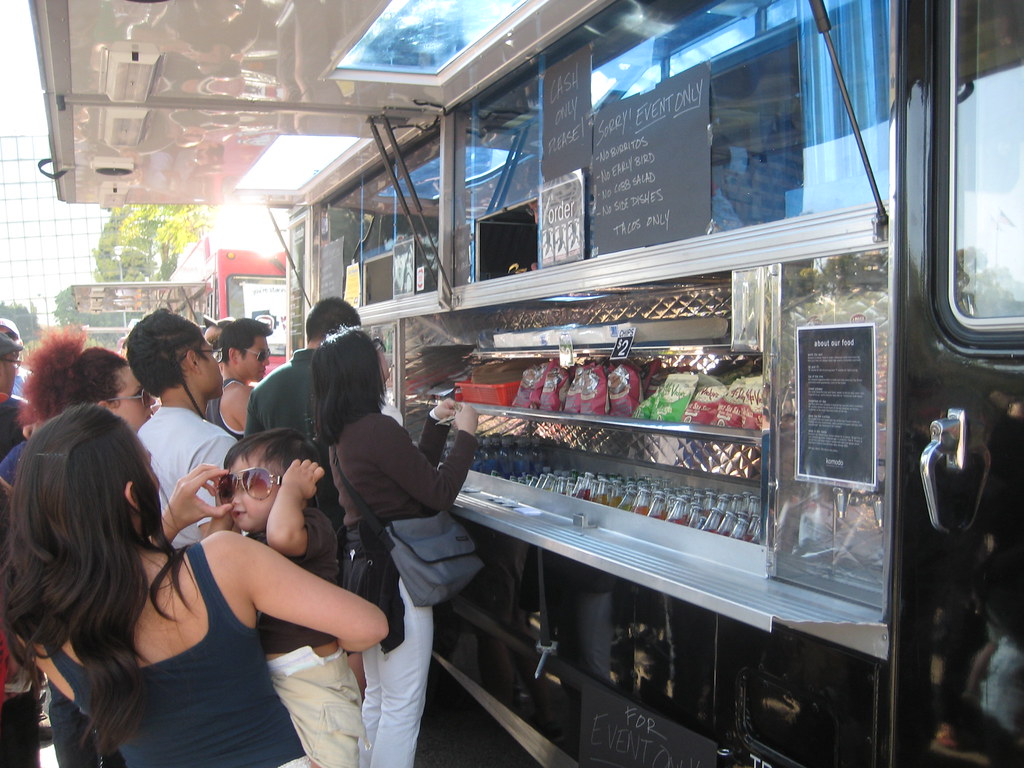
Food trucks in Saudi Arabia have grown from a seasonal novelty into a standalone business sector, powered by entertainment seasons, festivals, and pop-up activity zones in the major cities. The truth every project owner discovers late: the truck itself is only a shell, while 60–70% of the project's value goes into the interior fit-out — cooking equipment, refrigeration, electrical systems, and stainless steel fabrication. Importing that fit-out package directly from China cuts project cost dramatically, whether you are building one truck or fitting out trucks as a business.
What to Import and What to Do Locally
The practical rule: the moving platform (truck chassis or trailer) is best bought or built locally so it complies with Saudi traffic and licensing requirements, while the complete interior package is imported from China:
- Cooking line: griddles, fryers, compact shawarma machines, small pizza ovens.
- Refrigeration: under-counter chillers, display fridges, cold boxes.
- Stainless fabrication: prep tables, sinks, shelving, and extraction hoods with filters.
- Power and electrical: silent generators, converters, lighting, and POS points.
- Front of house: serving windows, illuminated menu boards, and exterior cladding.
Where Food Truck Equipment Is Made in China
- Guangzhou and Foshan: commercial kitchen equipment and stainless steel — China's largest cluster, and the base from which most of the package is consolidated into one container.
- Shenzhen: screens, digital menu boards, POS systems, and lighting.
- Jiangsu and Shandong: factories building complete fitted trailers and carts for those who want a ready unit — but verify local registration feasibility before paying anything.
The big advantage is that Guangdong factories are used to building integrated food truck packages to custom dimensions: send them the truck layout drawing and they fabricate the stainless work and equipment to measure.
The Quality Specifications That Matter
- Dimensions above everything: a few centimetres of error in a table or hood can block the entire installation. Approve a technical drawing signed by both sides before production begins.
- Stainless 304 for food-contact surfaces; grade 201 is acceptable for shelving and non-contact frames — but document the grades in the contract.
- Built for vibration: a vehicle that moves daily needs marine-style latches on fridge doors and reinforced mounting points, not standard static kitchen equipment.
- Power budget: total up every appliance's wattage and size the generator with a 30% margin — a power failure at peak event hours means losing the whole day's revenue.
- Gas: jets calibrated for LPG with automatic cut-off valves and certified hoses.
Ask the factory for loading photos and a packing list keyed to your layout drawing, so installation on arrival is assembly rather than improvisation.
Saudi Requirements and Licensing
Imported electrical and gas equipment falls under SASO regulations and must be registered on the SABER platform with conformity certificates issued before arrival. Operating the truck itself is governed by municipal requirements for mobile food activities and Civil Defense safety rules — proper fire extinguishers, ventilation, and sound gas installations. Fit the truck from day one with clearly certified equipment; it shortens the licensing cycle and saves you from ripping out and refitting.
Realistic Fit-Out Costs
- Basic cooking package (griddle, fryer, under-counter chiller, tables, sink, hood): approximately USD 3,200–8,000 ex-factory.
- Full package for a burger or shawarma concept including generator and menu boards: approximately USD 6,700–16,000.
- Complete fitted trailer from China: approximately USD 10,500–32,000 depending on size and finish — again, confirm local registration feasibility first.
Sea freight to Jeddah Islamic Port or King Abdulaziz Port in Dammam takes approximately 18–30 days, and a full fit-out package typically fills a 20-foot container. Add customs duty of roughly 5% and 15% VAT to your landed cost.
Common Mistakes
The most repeated ones: importing a ready trailer that cannot be registered locally, failing to reconcile dimensions between the equipment factory and the truck builder, buying European-spec 50Hz appliances, forgetting spare parts, sizing the generator below the real load, and ignoring SABER until the shipment is held at port.
Golden rule: design the power plan and the layout drawing first, then buy equipment to fit it — never buy equipment first and try to squeeze it into the truck.
Terrace International has a field team in Guangzhou and Shenzhen that assembles your complete food truck package from the best factories, verifies dimensions and specifications, inspects quality before shipping, and manages consolidation into one container plus customs clearance to your door. Talk to us and let us handle your project's fit-out end to end.
Related Articles

Product Import Guides
Importing Tablets and E-Readers from China to Saudi Arabia
Jul 16, 2026
Product Import Guides
Importing Car Dash Cams and In-Car Electronics from China to Saudi Arabia
Jul 14, 2026
Product Import Guides
Importing EV Chargers and Charging Stations from China to Saudi Arabia
Jul 12, 2026