Importing Forklifts & Material Handling Equipment from China
Jun 19, 2026
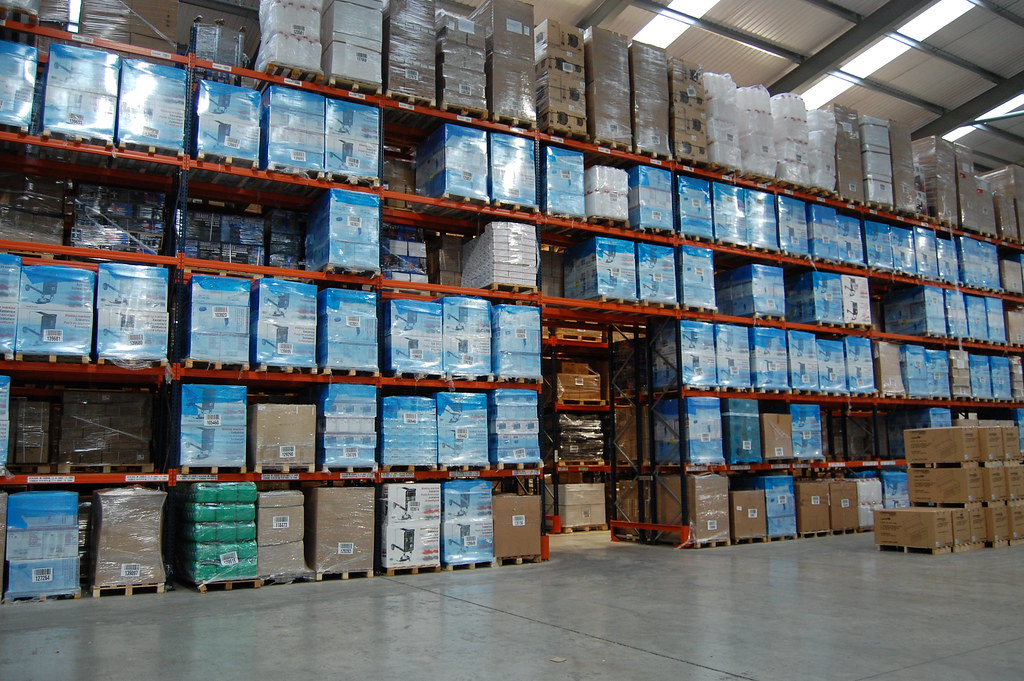
Material handling equipment is the silent engine of every warehouse, port yard and construction site in the Kingdom. As Vision 2030 logistics hubs, giga-projects and new distribution centres multiply, demand for forklifts, pallet trucks and reach stackers has surged, and Chinese factories now supply the majority of the world's new units. For Saudi and Gulf contractors, importing directly from China can cut acquisition cost dramatically without sacrificing the load capacity or uptime a busy site needs. This guide covers how to do it right.
Why Import Forklifts from China?
Chinese manufacturers such as Heli, Hangcha and Lonking rank among the largest forklift producers in the world by volume, and many share the same tier-one components used by premium brands, including Kubota, Isuzu and Mitsubishi engines and Italian and German hydraulics. The result is that a 3-tonne diesel forklift can land in Riyadh at 35% to 50% below an equivalent European or Japanese unit, while electric and lithium warehouse trucks are advancing fast on both range and price. For fleet buyers, the saving on five or ten units easily funds a full spare-parts package.
Where to Buy: China's Handling-Equipment Clusters
Sourcing well means going to the right region:
- Anhui (Hefei): home of Heli, the country's largest forklift maker, strong for heavy-duty diesel and LPG counterbalance trucks.
- Zhejiang (Hangzhou and Ningbo): base of Hangcha and a dense cluster of electric forklift and lithium-battery specialists.
- Shandong (Linyi and Qingdao): the value capital for small diesel forklifts, pallet trucks and stackers at aggressive prices, but quality varies most here.
- Jiangsu: reach stackers, telehandlers and port-yard equipment.
As a rule, buy branded counterbalance trucks from Anhui or Zhejiang, and reserve Shandong for simpler manual and semi-electric equipment where a factory audit is done first.
Specifications & Quality Pitfalls
The specification sheet is where import projects succeed or fail. Focus on:
- Power type: diesel for outdoor sites, LPG or lithium-electric for enclosed warehouses. Confirm the engine brand in writing, because a "Japanese-technology" label is not the same as a genuine Isuzu unit.
- Tyres: solid (cushion) tyres for hard yard surfaces, pneumatic for rough construction ground. Ordering the wrong type is a common and costly error.
- Mast and free lift: match mast height to your container and warehouse door clearances, and specify free lift if you load inside containers.
- Gulf climate package: insist on a high-ambient cooling system rated for 50°C, a heavy-duty air filter for dusty sites, and a sun-protected operator canopy.
- Electric units: the Saudi grid runs at 60Hz, so confirm the charger is compatible or supplied for 380V/60Hz, otherwise battery charging will be unreliable.
Before payment, require a factory load test at rated capacity, a running test, and photos or video of weld quality on the mast, hydraulic seals and chain condition. Confirm the honest load-centre rating, because some sellers quote capacity at an unrealistically short load centre.
SASO, SABER & Safety Certification
Forklifts and industrial equipment fall under Saudi conformity requirements. Every shipment needs a SABER registration with a Product Certificate of Conformity (PCoC) and a Shipment Certificate of Conformity (SCoC) issued through an approved body, confirming alignment with the relevant SASO technical regulations. Ask the factory for CE documentation and an ISO 9001 certificate as supporting evidence, and ensure the machine plate, safety decals and operator manual are available in Arabic or bilingual form. Skipping SABER means your equipment is held at Jeddah or Dammam customs, a delay that can idle a project for weeks.
Shipping, MOQ & Rough Costs
Forklifts ship as break-bulk, RoRo, or in open-top and flat-rack containers depending on size; a standard 3-tonne unit fits in a 20ft open-top, or ships two to three per 40ft. MOQ is genuinely one unit for most factories, though prices improve sharply from five units up. As a rough guide, a new 3-tonne diesel forklift ranges around 6,000 to 9,000 USD FOB, plus sea freight, then 5% customs duty and 15% VAT on the landed value at ZATCA. Budget for a Gulf-spec spare-parts kit and, ideally, a container of consumables such as filters, seals and forks with your first order.
Common Mistakes to Avoid
- Buying on price alone from an untested Shandong trader without a factory audit.
- Ignoring after-sales: confirm parts availability and a local service partner before ordering.
- Forgetting the 60Hz charger issue on electric units.
- Under-specifying the cooling and dust package for Saudi summers.
- Leaving SABER registration to the last minute.
A forklift is judged not at delivery, but after 2,000 operating hours in 48°C heat. Specify for the Gulf, not for the brochure.
At Terrace International, our on-the-ground team in Guangzhou audits forklift factories in Anhui, Zhejiang and Shandong on your behalf, negotiates fleet pricing, supervises load testing and pre-shipment inspection, and handles SABER conformity so your equipment clears Jeddah or Dammam without surprises. Contact us today to build a reliable handling fleet from China.
Related Articles
Product Import Guides
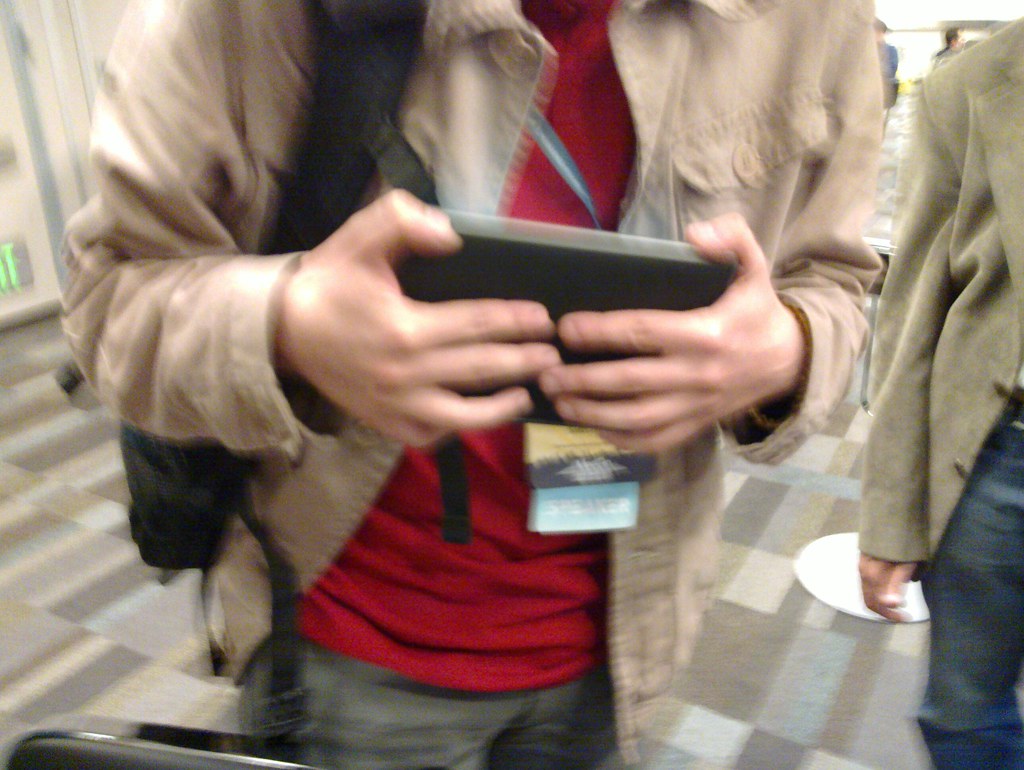
Importing Tablets and E-Readers from China to Saudi Arabia
Jul 16, 2026
Product Import Guides
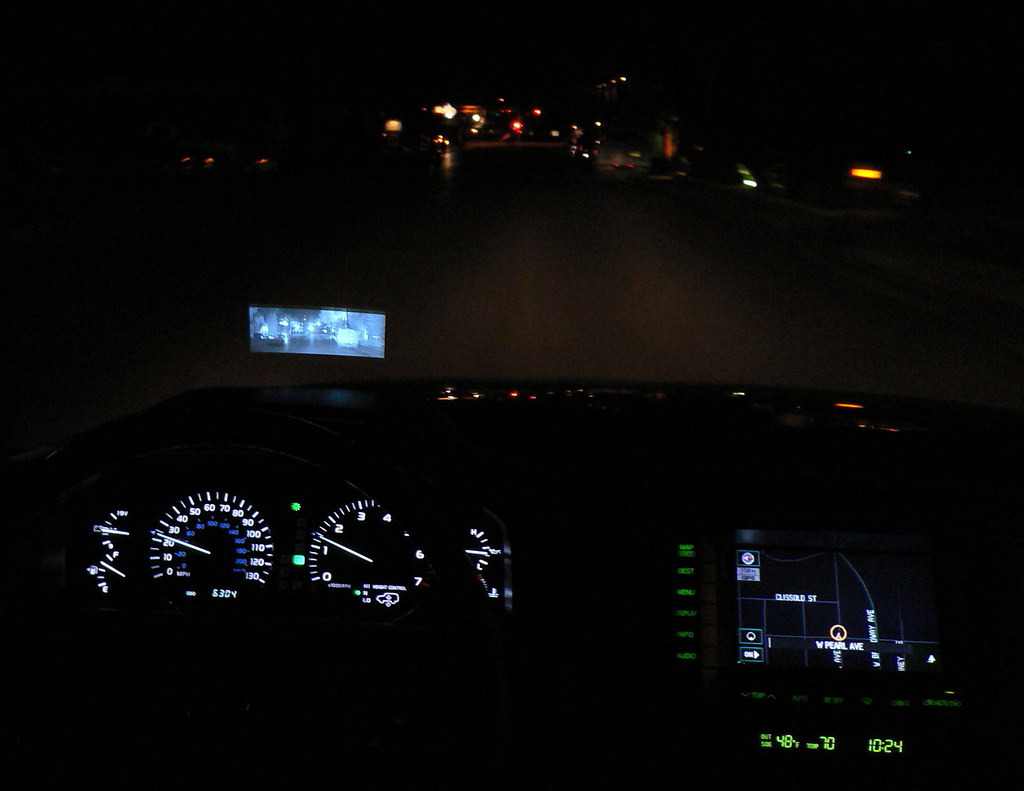
Importing Car Dash Cams and In-Car Electronics from China to Saudi Arabia
Jul 14, 2026
Product Import Guides
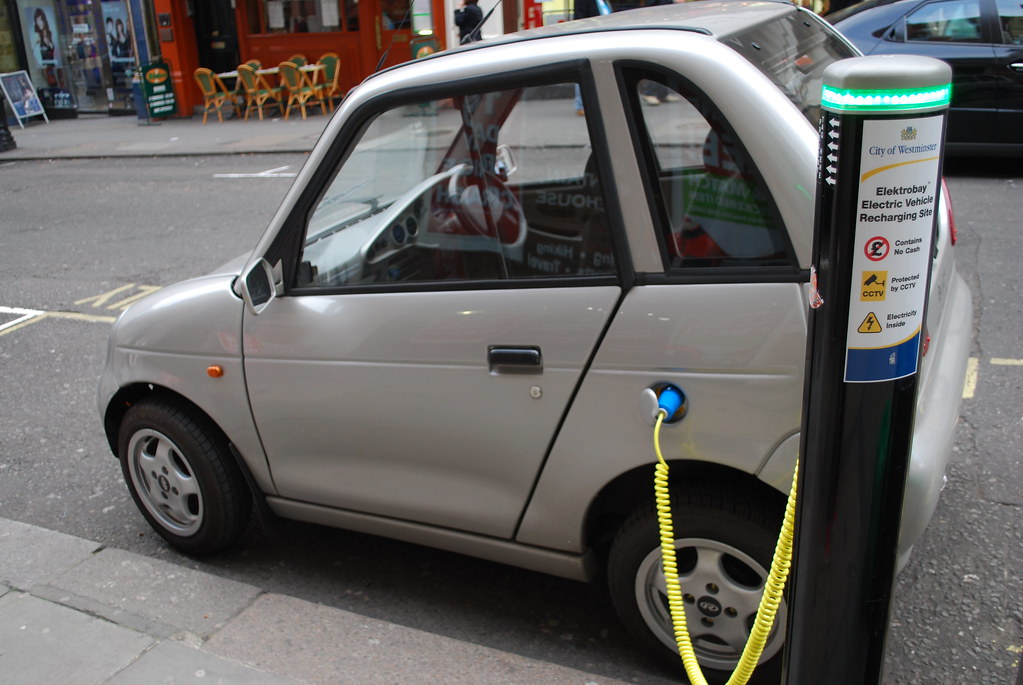
Importing EV Chargers and Charging Stations from China to Saudi Arabia
Jul 12, 2026