Importing Furniture from China to Saudi Arabia: A Practical Guide
Jun 25, 2026
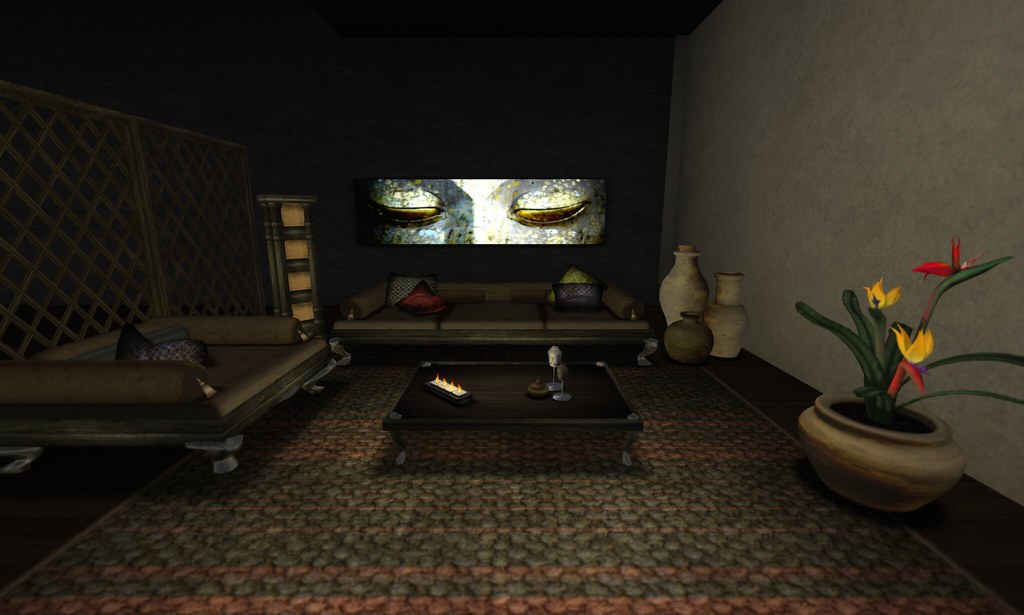
Furniture is one of the most-imported categories from China for both retailers and end users, and also one of the most prone to expensive mistakes: a container that arrives half-empty because someone priced by weight instead of volume, or tables that crack after a few weeks because a cheap factory never properly dried the wood. This guide is not about fixed furniture inside interior fit-out projects; it is about ready-made home and retail furniture (sofas, tables, beds, wardrobes, shop fittings) that you buy to resell or to outfit your own space.
Why Source Furniture from China
China combines what is hard to find in one market: enormous design variety, complete supply chains for timber, foam, fabric and metal hardware in one place, and the ability to manufacture to order in reasonable quantities. The price gap versus European imports or local manufacturing is often 40–60% at the same quality level, provided you know where and from whom to buy.
Where to Buy in China
Furniture in China is organized into specialized industrial clusters, and knowing the right cluster saves you months of searching:
- Foshan, Guangdong: the unofficial furniture capital of China. The Lecong (Louvre) furniture market is the largest in the world, ideal for mid-range and premium home and retail furniture.
- Dongguan: strong in office furniture and high-quality export-grade wooden pieces.
- Nankang, Ganzhou: specialized in solid-wood and classical furniture at competitive prices.
- Hangzhou and Anji: the hub for office chairs and metal furniture.
The rule: deal with the factory directly, not the market trader. A market trader adds a margin and takes no responsibility for quality when the container lands.
Furniture-Specific Inspection Points
Generic inspection is not enough for furniture. Direct your inspection team to points tied specifically to this product:
- Wood moisture: must sit between 8% and 12%. Undried timber is the number-one cause of cracking and warping in the dry Gulf climate.
- Foam density: insist on at least 30–35 kg/m³ for commercial sofas. Cheap foam collapses within months.
- Hinges and slides: verify genuine brands like DTC or Blum, which are widely counterfeited. Open and close every drawer 20 times.
- Stability: tables and chairs must not wobble, and finishes must be free of bubbles and glue residue.
- Packaging: foam corners, double-wall cartons and bubble wrap. Furniture suffers more damage in transit than in use.
Certification and Compliance (SABER / SASO)
General home furniture is not regulated as strictly as electrical appliances, but it still requires a conformity certificate through the SABER platform: a product PCoC followed by a shipment SCoC before clearance. Note: upholstered furniture may face flammability requirements in commercial projects, and any furniture with electrical components (lighting, USB charging, massage chairs) triggers additional requirements. Start the SABER process before shipping, not after.
Shipping and Real Volume Math
Furniture is a light and bulky product, meaning a container fills up by volume long before it reaches its weight limit. Do not cost by the ton; cost by the cubic meter (CBM). A 40-foot high-cube container holds about 68 CBM, but assembled (non-flat-pack) furniture wastes 30–40% of that space on air.
The golden rule: order furniture knock-down (KD / flat-pack) whenever possible. A knock-down sofa doubles the piece count per container and dramatically cuts shipping cost per unit.
The usual gateway is Jeddah Islamic Port for the Western region and King Abdulaziz Port in Dammam for the Eastern region. Plan for 30–45 days door to door.
MOQ, Cost and Common Mistakes
Minimum orders typically start from one 20-foot container per model with serious factories, and some will mix models to fill a container. The most repeated mistakes: relying on showroom photos without a physical sample, ignoring color variation between fabric batches, and forgetting to factor in 15% VAT and customs duties when pricing. Also: never fill a full container with a new, market-untested model.
Samples, Payment and Protecting Yourself
Never order a container off a catalog photo. Approve a physical golden sample first, then require production to match it. On payment, a common structure is 30% deposit and 70% against a passed pre-shipment inspection, never 100% upfront. For pieces with glass, marble or stone tops, order a few spare tops in the same shipment, since these are the first to crack in transit and impossible to source locally in a matching size. Confirm Incoterms clearly: FOB Foshan or Shenzhen keeps you in control of freight, while EXW leaves inland trucking and export clearance on your shoulders.
At Terrace International our on-the-ground team in Guangzhou visits factories in Foshan and Dongguan, checks wood moisture and foam density in person, and organizes KD loading to maximize the container while clearing SABER before shipment. Contact us to import your furniture from China with confidence, from the factory floor to your warehouse door in Saudi Arabia.
Related Articles
Product Import Guides
Importing Tablets and E-Readers from China to Saudi Arabia
Jul 16, 2026
Product Import Guides
Importing Car Dash Cams and In-Car Electronics from China to Saudi Arabia
Jul 14, 2026

Product Import Guides
Importing EV Chargers and Charging Stations from China to Saudi Arabia
Jul 12, 2026