Importing Garment Production Lines from China to Saudi Arabia
Mar 20, 2026
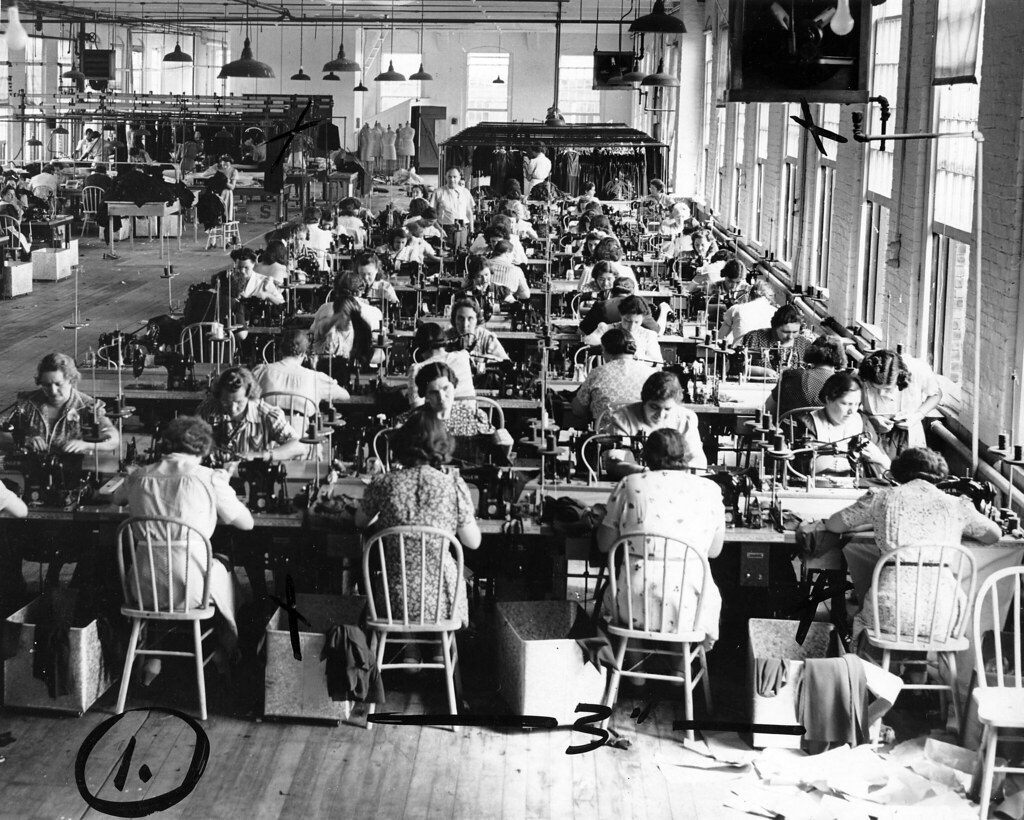
Garment manufacturing is firmly back on Saudi Arabia's industrial investment agenda: demand for uniforms from companies, hospitals, and hotels is huge and constantly renewed; abayas and thobes are natively local products with a growing market; and emerging Saudi fashion brands want fast local production instead of long import cycles. Setting up a modern garment line has never been easier or cheaper thanks to Chinese machinery — and success depends on line planning as much as on buying the machines.
Why China for Garment Equipment
China is the largest garment producer in history, and its sewing machine industry has matured to the point where its brands — such as Jack, and Juki machines built there — are global names exported to every manufacturing market. Modern machines come with energy-saving direct-drive motors, automatic thread trimming, and digital control panels, at prices starting around a third of a new Japanese or European equivalent.
Where the Equipment Is Made
- Taizhou (Zhejiang): the world capital of industrial sewing machines and home base of the biggest Chinese brands.
- Shanghai: CNC automatic cutting machines and digital spreading and marker systems.
- Guangzhou and Dongguan (Guangdong): pressing, finishing, and embroidery equipment, near the largest fabric and accessory markets.
- Suzhou and Jiangsu: multi-head computerized embroidery machines.
How to Plan the Production Line
A balanced line for a product like uniforms or abayas needs a considered mix: single-needle lockstitch machines (usually about 60 percent of the line), overlock machines for edges, buttonhole and button-attach machines, and one or more specialty machines for your product's details. Add the cutting section: a spreading table, a straight or round knife cutter, and for larger factories an automatic cutter. Then the pressing and finishing section with steam irons and vacuum tables. A working rule of thumb: a line of 20 to 30 machines produces approximately 300 to 600 uniform pieces per day depending on design and operator efficiency.
Inspection and Selection Points
- Specify integrated direct-drive motors — lower power use and less maintenance than old clutch motors.
- Trial runs on your actual fabrics: abayas demand careful tuning for light, slippery materials.
- Standardize on one brand where possible to simplify spares and technician training.
- Electrical compatibility at 220/380V / 60Hz, a written warranty, and a priced spare parts list.
Certification and Customs
Sewing machines and supporting equipment fall under SABER conformity with a shipment certificate per consignment. Customs duty is approximately 5 percent plus 15 percent VAT. Industrial license holders may benefit from duty exemption on production-line equipment, and national industry support programs are worth exploring before you buy. Sea freight from Ningbo, Shanghai, or Shenzhen to Jeddah Islamic Port or Dammam takes approximately 18 to 30 days, with machines shipped partially disassembled on pallets and heads firmly braced.
Realistic Costs
- Industrial direct-drive lockstitch machine: approximately USD 240 to 670.
- 4- or 5-thread overlock: approximately USD 400 to 1,100.
- Electronic buttonhole machine: approximately USD 2,100 to 6,700.
- Straight knife cutter: approximately USD 320 to 930; automatic cutting from roughly USD 40,000 upward.
- Complete 25-machine line with cutting and pressing: approximately USD 21,000 to 67,000 depending on automation level.
The golden rule: buy the line for your actual product, not the supplier's catalogue — send a sample garment, request a proposed line layout with machine counts and types, then compare three suppliers against it.
Common Mistakes
Where investors stumble most: mixing many machine brands until maintenance becomes chaos, neglecting pressing and finishing equipment even though it creates the product's final impression, skipping technician training on modern electronic machines, and failing to order needles and consumable spares with the first shipment. A successful factory is built as an integrated system from day one.
The Terrace International field team in Guangzhou and Shenzhen puts the whole line deal together for you: selecting the right brands from Taizhou and Guangdong, negotiating the machine-plus-spares package, inspecting before shipment, then managing freight and customs clearance to your factory. Contact us and turn your garment factory idea into a line that runs and produces.
Related Articles
Product Import Guides
Importing Tablets and E-Readers from China to Saudi Arabia
Jul 16, 2026
Product Import Guides
Importing Car Dash Cams and In-Car Electronics from China to Saudi Arabia
Jul 14, 2026
Product Import Guides
Importing EV Chargers and Charging Stations from China to Saudi Arabia
Jul 12, 2026