Importing Home Decor & Accessories from China to Saudi Arabia
Jun 09, 2026
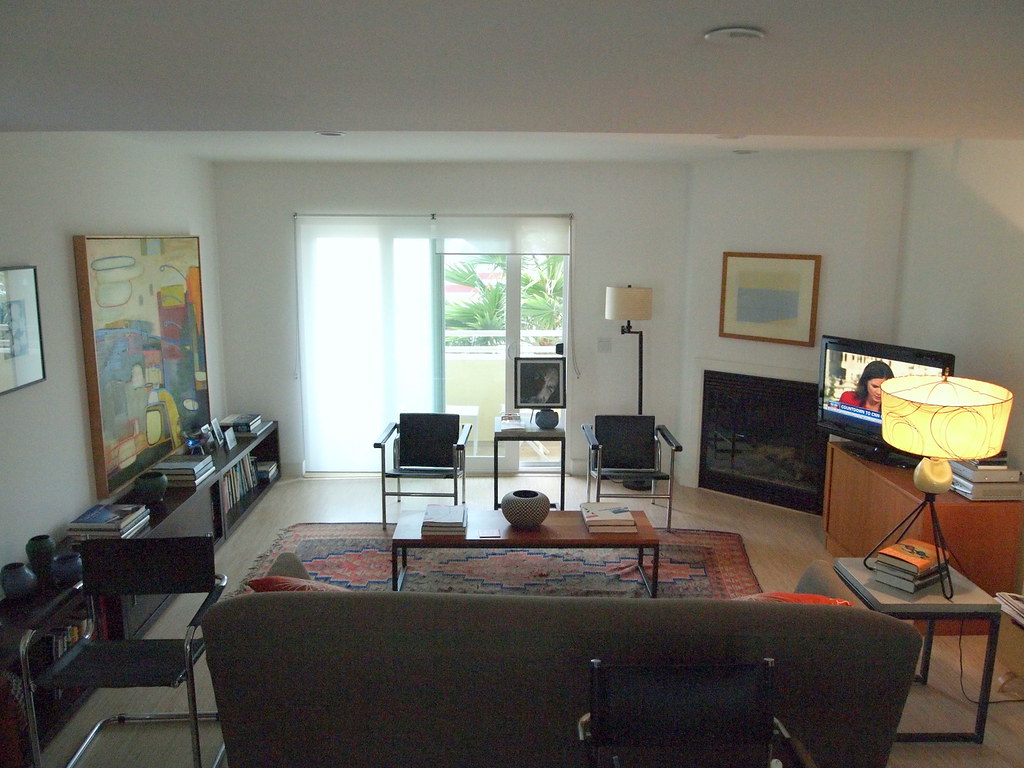
Saudi Arabia's home decor market is growing steadily, driven by a wide wave of construction and furnishing, a rising taste for aesthetic detail, and seasonal occasions such as Ramadan, Eid, and National Day that lift demand for vases, trays, candle holders, and decorative pieces. China is the world's largest factory for this category, giving retailers enormous variety and prices that support comfortable margins.
Why China is your first source for decor
China combines breadth of range with integrated raw materials. From ceramics and glass to resin, metal, and fabric, everything is made locally and at low cost. This lets you build a complete range from a single supplier or region, and order exclusive designs or a private label that sets your store apart from competitors selling the same off-the-shelf pieces.
Where to buy inside China
Yiwu: the world's largest small-commodities market
The Yiwu market in Zhejiang province is the number-one destination for decor and accessories. Tens of thousands of stalls under one roof cover vases, candle holders, trays, figurines, and seasonal pieces. It is ideal for assembling a varied range from multiple suppliers in a single visit.
Foshan and Chaozhou: ceramics and porcelain
For high-quality ceramic and porcelain products, Foshan in Guangdong and the city of Chaozhou are among the oldest and most respected clusters in the world, especially for premium vases and decorative sets.
The most common quality pitfalls
The biggest challenge in decor is breakage in transit. Insist on strong inner packaging for every ceramic or glass piece and request a drop test on the carton before shipping. Also watch colour consistency between batches, as shade can vary from one production run to another and ruin the unity of your display. On plated and metal pieces, check the durability of the finish against scratching and rust, and on resin confirm a smooth, bubble-free surface.
If a piece is used with food, such as serving trays, make sure the material is food-contact safe and free of lead and cadmium, as this is subject to customs scrutiny in Saudi Arabia.
Certifications and compliance
Most decor requires a SABER certificate of conformity against the relevant SASO standards for clearance at Jeddah and Dammam. Food-contact pieces need additional safety reports, and LED-lit decorative items require electrical and EMC certifications. Always keep the supplier's lab reports on hand to speed up clearance and avoid holds.
Shipping, MOQ and costs
Decor is often light but bulky and fragile, so volumetric weight dominates shipping cost and packing quality becomes decisive for how many intact pieces arrive. Use LCL consolidated shipping for small mixed orders, and move to a full container above a certain volume to cut cost per unit. MOQs in Yiwu are very flexible and can start at a few dozen for stock pieces, while exclusive designs or private label typically require larger runs from 300 to 500 pieces.
Fold the 15% VAT, SABER fees, and volumetric freight into your final landed cost, and add a margin for a realistic breakage rate even with the best packing, so your pricing protects your profit.
Mistakes to avoid
- Relying on supplier photos without ordering a physical sample before a large order.
- Neglecting a strong packing specification just to chase the lowest price.
- Mixing different production batches without checking colour consistency.
- Ignoring food-contact requirements for serving trays and plates.
At Terrace International, our on-the-ground team in Guangzhou visits the Yiwu and Foshan markets on your behalf, selects pieces, negotiates price and MOQ, oversees packing and inspection, and manages shipping to Saudi ports. Talk to us to build a distinctive decor range that sells with confidence.
Related Articles
Product Import Guides
Importing Tablets and E-Readers from China to Saudi Arabia
Jul 16, 2026
Product Import Guides
Importing Car Dash Cams and In-Car Electronics from China to Saudi Arabia
Jul 14, 2026
Product Import Guides
Importing EV Chargers and Charging Stations from China to Saudi Arabia
Jul 12, 2026