Importing Hospital and Clinic Furniture from China to Saudi Arabia
May 01, 2026
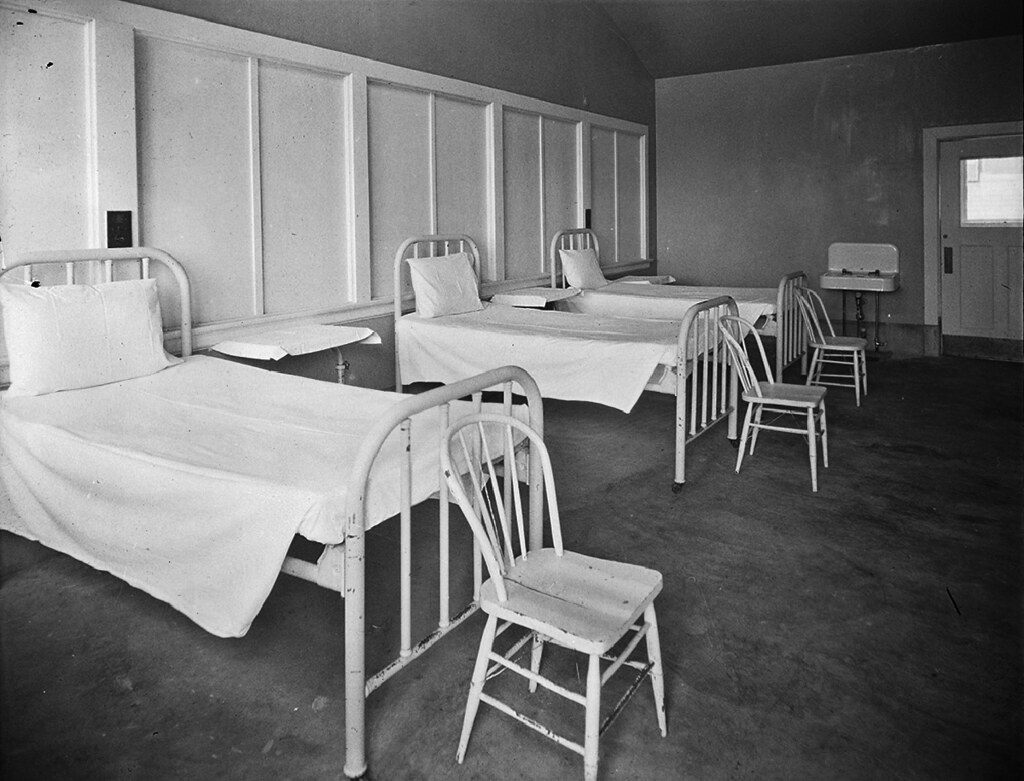
Saudi Arabia's private healthcare sector is in a major expansion wave: new hospitals, polyclinic complexes, dental, dermatology, and physiotherapy centres, and home-care providers — driven by population growth, the health transformation programs, and strong encouragement of private investment. Every new bed in that expansion pulls a whole furniture system behind it: a medical bed, bedside cabinet, overbed table, companion chair, nursing trolleys, and medicine cabinets. The price gap between importing directly from China and buying through local distributors is among the widest of any medical fit-out category — but the category is regulated, and the Saudi Food and Drug Authority (SFDA) sits at the centre of it.
The Product Map in This Category
- Medical beds: manual one-, two-, and three-crank models; multi-function electric beds; and ICU beds with weighing systems and advanced positioning.
- Ward furniture: bedside cabinets, overbed tables, companion chairs that convert to beds, cubicle curtains and tracks.
- Clinic furniture: examination couches, blood-drawing chairs, doctors' desks and seating, instrument and file cabinets.
- Nursing and mobility: medicine, emergency, and records trolleys, wheelchairs, and patient transfer stretchers.
- Reception and waiting areas: metal beam seating, reception counters, and queue management fittings.
Where Medical Furniture Is Made in China
- Jiangsu (the Zhangjiagang area and surroundings): the best-known cluster for medical beds, stretchers, and trolleys, with long export experience and international certifications.
- Hebei and Shandong: competitively priced metal medical furniture for cost-sensitive projects.
- Guangdong (Foshan and Guangzhou): waiting seating, reception, and clinic furniture — and the closest point for consolidating a mixed container of medical and general items.
Quality: What to Inspect Before Buying
- On electric beds, the motor is everything: ask for the motor and actuator brands, prefer factories using globally trusted motion-system makers, and get warranty and spare parts in writing.
- Frame and safe working load: demand a documented safe working load, and inspect weld quality and the epoxy coating that must withstand disinfectants.
- Sterilisable surfaces: materials that tolerate daily disinfectant cleaning without cracking or fading.
- Castors and brakes: silent castors with central braking on beds and trolleys — the first thing to fail on cheap products.
- Medical mattresses: pressure-relief density with fluid-resistant, antibacterial covers.
Approve a physical sample of each core item before releasing the project order, and inspect the full batch against it before loading.
Regulation: What Separates Professionals from Amateurs
Many items in this category — medical beds, stretchers, examination couches, wheelchairs — are treated as medical devices under SFDA regulation. Importing them requires product registration with the SFDA and importation through a licensed importer holding a medical warehouse licence, supported by the factory's technical files and quality certificates such as medical-device ISO certification and CE marking where applicable. Reception, waiting, and office furniture, by contrast, clears as general goods, with any electrical components subject to SASO/SABER. Plan both tracks from day one — what registers with the SFDA and what enters as general furniture — and never mix them into one careless file. Add customs duty of roughly 5% and 15% VAT to your landed cost.
Realistic Costs
- Manual two-crank medical bed: approximately USD 210–530 ex-factory.
- Multi-function electric bed: approximately USD 670–2,100 depending on motors and specification.
- ICU bed: approximately USD 2,100–5,300.
- Clinic examination couch: approximately USD 110–320.
- Nursing or emergency trolley: approximately USD 130–480.
MOQs typically run 10–50 units per bed model and lower for clinic furniture. Sea freight to Jeddah Islamic Port or King Abdulaziz Port in Dammam takes approximately 18–30 days, with beds shipped semi-knocked-down to save volume.
Common Mistakes
The most damaging: importing without SFDA registration so the shipment becomes a detained liability, buying electric beds with unknown motors and no spare parts channel, ignoring the safe working load, accepting ordinary paint that corrodes under disinfectants, and signing a full project contract without an approved sample of each key item.
Golden rule: in medical furniture, start from the regulatory file, not the catalogue — first define what needs SFDA registration and its import route, then choose the factory whose ready technical file supports that registration.
Terrace International deploys its field team in Guangzhou and Shenzhen to visit qualified medical furniture factories, audit certificates and technical files, negotiate pricing and warranty, and manage inspection, shipping, and clearance in step with medical import requirements all the way to your project site. Talk to us and equip your healthcare facility with confidence at source cost.
Related Articles

Product Import Guides
Importing Tablets and E-Readers from China to Saudi Arabia
Jul 16, 2026
Product Import Guides
Importing Car Dash Cams and In-Car Electronics from China to Saudi Arabia
Jul 14, 2026
Product Import Guides
Importing EV Chargers and Charging Stations from China to Saudi Arabia
Jul 12, 2026