Importing Hotel & Restaurant Furniture (FF&E) from China
Jun 13, 2026
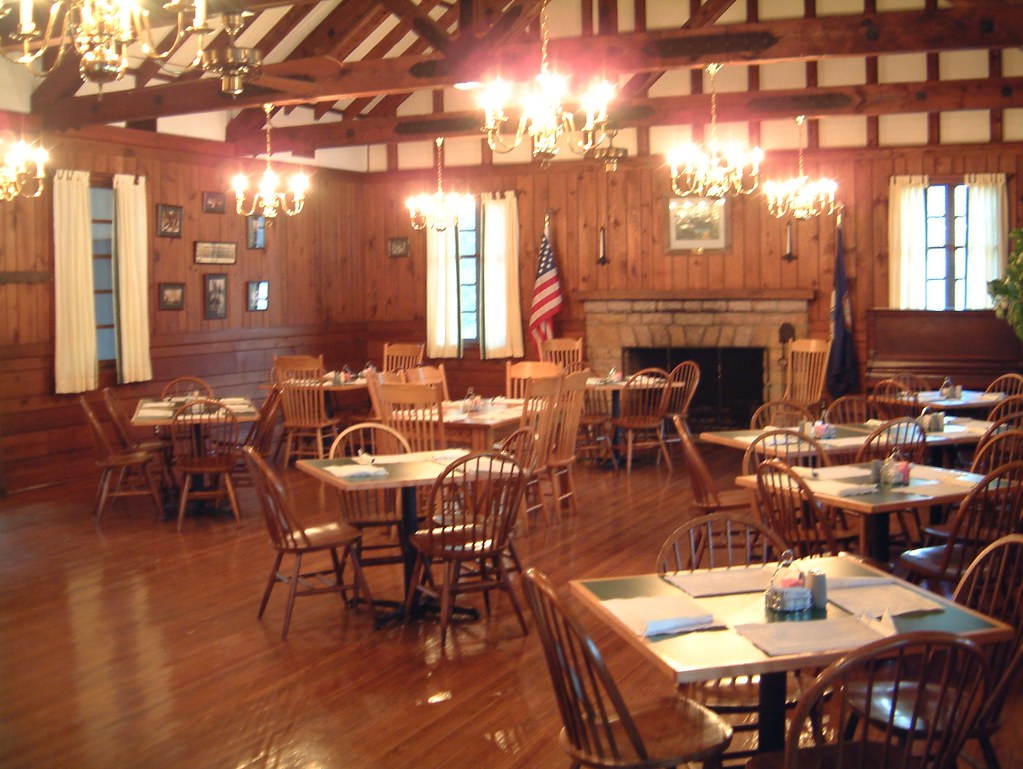
Outfitting a hotel, restaurant or café is not the same as buying scaled-up home furniture. A chair used by one person at home for a few hours a day is fundamentally different from a restaurant chair that seats dozens daily, gets wiped down with chemicals and dragged across the floor thousands of times. That difference is the essence of Furniture, Fixtures & Equipment (FF&E), and getting the import wrong here costs you not just money but the venue's reputation and its opening date.
Why China Is the Right Choice for FF&E Projects
Hospitality projects need large quantities of perfectly identical pieces in a unified design, and this is exactly where Chinese factories specialized in hospitality contracts excel. Many already produce for global chains and offer contract-grade manufacturing with abrasion-resistant fabrics and reinforced metal frames, at prices that beat European hospitality manufacturers by a wide margin at the same durability level.
Where to Buy in China
- Foshan: a major hub for hospitality furniture and contract-grade metal chairs and tables.
- Shenzhen: strong in upscale hotel designs and bespoke decor for premium projects.
- Ningbo / Zhejiang: for weather-resistant outdoor tables and chairs, vital for cafés and terraces.
- Guangzhou: for commercial kitchen equipment and stainless (304 grade) furniture.
Always ask for a factory with a dedicated contract / hospitality line separate from its home line, not a home-furniture factory claiming it can handle projects.
Critical Inspection Points for FF&E
Commercial durability is measured by standards, not by eye:
- Fabric abrasion (Martindale): accept nothing under 30,000 cycles for commercial seating, and 50,000+ for high-traffic areas.
- Metal welds: must be polished and concealed, and stainless steel must be grade 304, not the cheap 201 that rusts in coastal climates like Jeddah and Dammam.
- Color consistency across batches: in a 200-chair restaurant, any slight variation in fabric tone or paint becomes glaring under venue lighting. Insist the entire order is produced from the same dye lot.
- Chemical resistance: tabletops must withstand repeated cleaning and sanitizing without fading.
- Tip stability: bar stools and tables must be tested for stability and load.
Certification and Compliance
Every shipment needs a conformity certificate through the SABER platform before clearance. The hospitality wrinkle: upholstered furniture in public spaces may require proof of flammability resistance, and electrical kitchen equipment, refrigerators and display units fall under SASO electrical and energy-efficiency requirements. Anything that contacts food (surfaces, utensils) must be documented food-grade. Begin compliance early, because a delay here means a delayed opening.
Shipping and Scheduling Around Opening Day
The biggest risk in FF&E projects is not quality, it is timing. An opening has a date tied to lease contracts and marketing campaigns, and a late container is a disaster.
Work backwards: start from the opening date and subtract 45–60 days for sea freight, 30–45 days for production, and a two-week buffer for inspection and rework. Any serious project starts contracting four months before opening.
Hospitality furniture is bulky, so order it knock-down (KD) to maximize the container. Split a large order across several containers with staggered arrivals where possible, so the whole project does not hinge on one shipment. The usual gateways are Jeddah Islamic Port and King Abdulaziz Port in Dammam.
MOQ, Cost and Common Mistakes
FF&E projects usually exceed minimums by their nature (hundreds of pieces), giving you strong leverage on price and customization. The costliest mistakes: approving a single sample without producing and matching a pre-production sample, and not keeping spare units (an extra 5–10%) because reordering later in a different dye lot is nearly impossible. Also: do not forget to budget 15% VAT and duties into the project.
Mock-Up Rooms and Logistics on Site
For larger properties, build a mock-up room from the first production samples and test it under real conditions before mass production is released: sit on every chair, wipe every surface, check fabric under your actual lighting. Plan the last mile too: hotel and restaurant furniture often must reach upper floors, so confirm pieces fit service elevators and stairwells, and label every carton by room or zone so installers are not opening 300 identical boxes blindly. A clear packing list keyed to your floor plan saves days on site.
At Terrace International we work with hospitality contract factories in Foshan and Shenzhen, produce and approve a pre-production sample with you, monitor dye-lot consistency, and organize a shipping schedule tied to your opening date. Contact us to outfit your hotel or restaurant from China with furniture that survives commercial use and arrives on time.
Related Articles
Product Import Guides
Importing Tablets and E-Readers from China to Saudi Arabia
Jul 16, 2026
Product Import Guides
Importing Car Dash Cams and In-Car Electronics from China to Saudi Arabia
Jul 14, 2026
Product Import Guides
Importing EV Chargers and Charging Stations from China to Saudi Arabia
Jul 12, 2026