Importing HVAC & Air-Conditioning Units from China to Saudi Arabia
Jun 21, 2026
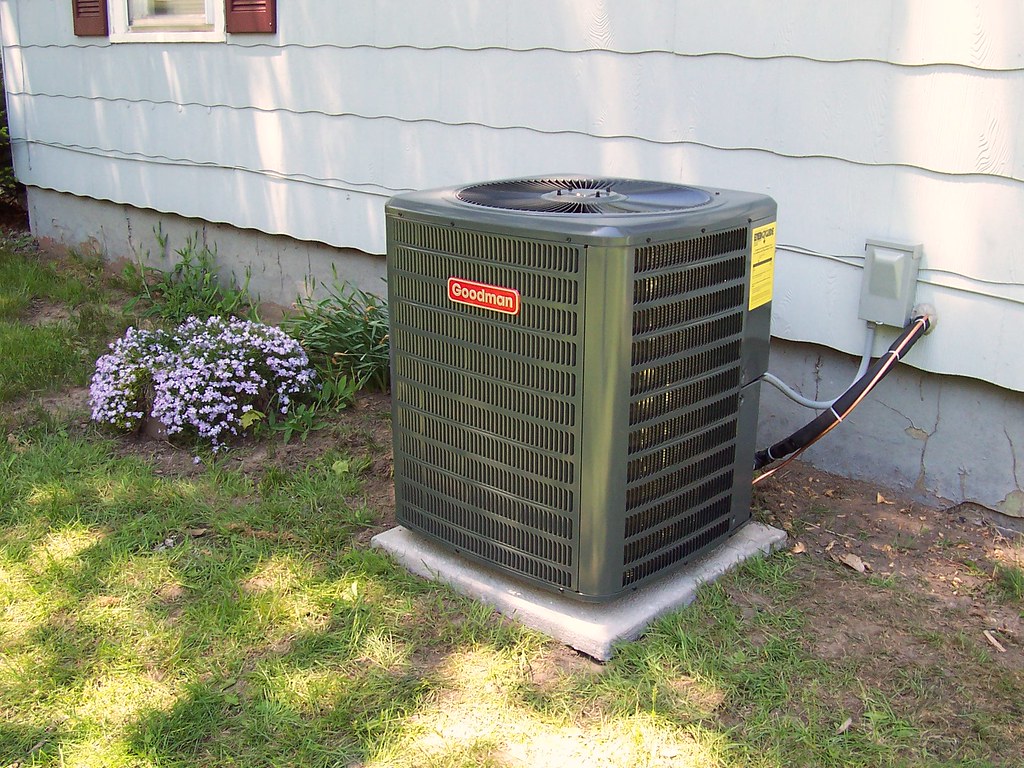
Saudi Arabia is one of the largest air-conditioning markets in the world relative to its population, for obvious climate reasons. That makes importing HVAC and AC units from China a serious profit opportunity for distributors and contractors, provided you master the product details and Saudi standards. Get the energy rating, the climate rating or the refrigerant wrong and a whole container can be stranded at the port, so this guide focuses specifically on air conditioning rather than generic importing.
Why source HVAC from China?
China produces the vast majority of the world's AC compressors and units, with factories that OEM for major global brands. That gives you huge range: standard split units, central VRF/VRV systems, chillers, air-handling units (AHUs) and rooftop packaged units. Crucially, you can order units engineered for hot climates (T3-rated) that run efficiently up to 52C, which is a necessity in Saudi Arabia, not a luxury. A standard T1-rated split sold elsewhere will trip on its high-pressure cut-out during a Riyadh summer, so the climate rating is the single most important spec to lock on your production order.
Where to source inside China
The AC industry clusters in a few key regions every importer should know:
- Guangdong (Foshan, Zhuhai, Shenzhen): the heart of AC and compressor manufacturing, home to the biggest split and VRF factories.
- Zhejiang and Ningbo: strong in components, heat exchangers and fans.
- Shandong (Qingdao): specialised in chillers and industrial air-handling units.
Beware: many sellers on Alibaba are traders, not factories. Ask for the factory license and verify there is a real compressor production line, because the compressor is the heart of the unit.
Saudi standards: SASO, SABER and energy efficiency
This is where new importers stumble most. AC units are tightly regulated:
- SASO 2663 / energy-efficiency regulation: units must meet a minimum seasonal efficiency (SEER/EER) and carry the Saudi energy label. Low-efficiency units are rejected at the port.
- SABER platform: you need a Product Certificate (PC) and a Shipment Certificate (SC) before customs clearance.
- Refrigerant gas: confirm the gas type (R32 or R410A) and its compliance with environmental rules.
Get a certified energy-efficiency test report from the factory before shipping, not after. Fixing compliance once the container has landed is expensive and crippling.
HVAC-specific QC inspection points
Generic inspection is not enough for AC. Focus on:
- Live cooling test: run samples and measure the temperature drop between inlet and outlet air (it should be 8C or more).
- Refrigerant pressure and leak test: any leak at the welds means future field failures.
- Compressor noise and vibration levels.
- Copper coil thickness: some factories cheat with thin copper or coated aluminium that corrodes fast in salty air (critical for coastal Jeddah and Dammam).
- Anti-corrosion coating on outdoor units.
Shipping, MOQs and costs
AC units are bulky but moderate in weight, so they ship mostly by sea via Jeddah Islamic Port and Dammam. MOQ for splits typically starts at 100 to 500 units per model for a competitive price. Central systems are often ordered per project. Remember that outdoor units need professional installation and gas charging, so never sell without an installation and service network. As a rough guide, a 24,000 BTU T3 split lands in the low hundreds of SAR per unit FOB before freight and duties, while a small VRF system runs into the tens of thousands of SAR per project. Factor SABER certification (typically a few thousand SAR per shipment), 5% customs duty on AC, and 15% VAT into your final pricing, and keep a parts buffer of fan motors, capacitors and PCBs since these are the first to fail in the field.
Common mistakes
- Importing low-efficiency units that get rejected at customs.
- Skipping T3 hot-climate rating, so units fail in summer.
- Not securing compressor spare parts for after-sales service.
- Relying on a trader without inspecting the real compressor line.
How Terrace International helps
Our on-the-ground team in Guangzhou visits AC factories, verifies compressors and production lines, supervises cooling and efficiency tests before shipment, and handles SABER and SASO compliance all the way to Jeddah or Dammam port. Talk to us to import AC that meets the standards and survives a Gulf summer.
Related Articles

Product Import Guides
Importing Tablets and E-Readers from China to Saudi Arabia
Jul 16, 2026
Product Import Guides
Importing Car Dash Cams and In-Car Electronics from China to Saudi Arabia
Jul 14, 2026
Product Import Guides
Importing EV Chargers and Charging Stations from China to Saudi Arabia
Jul 12, 2026