Importing Insulation & Roofing Materials from China
Mar 31, 2026
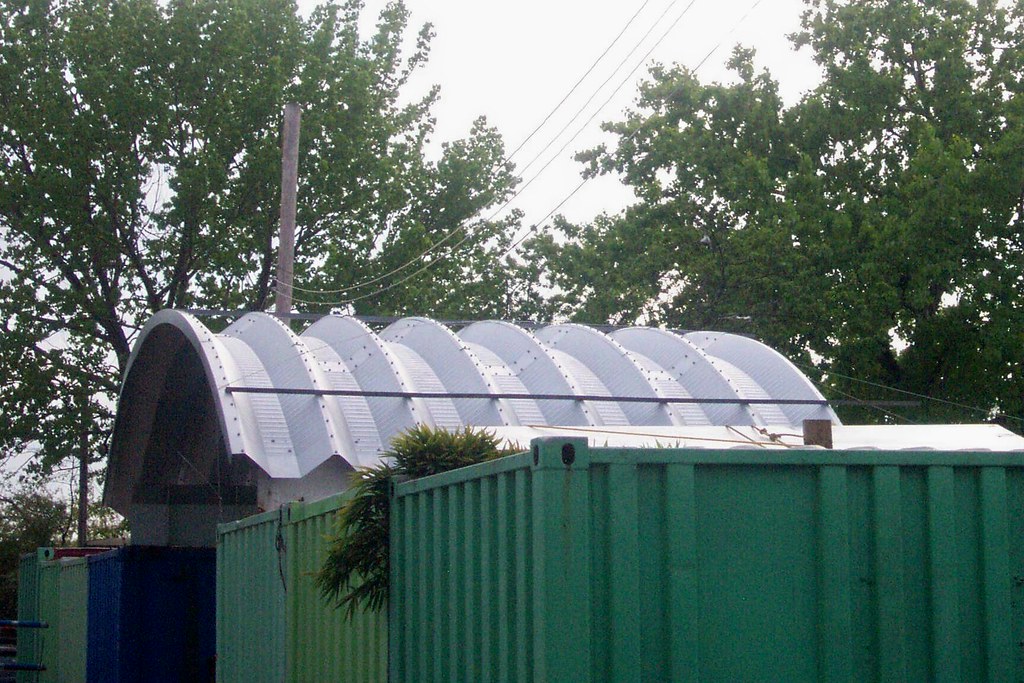
Thermal insulation and roofing are not optional extras in the Kingdom, they are enforced by the Saudi Building Code and driven hard by the cost of cooling in a 50-degree climate. From rock wool and XPS boards to waterproofing membranes and insulated metal panels, China is the world's largest and most varied source. For Gulf contractors, importing directly can cut envelope costs substantially, but only if density, fire class and heat resistance are specified correctly for Saudi conditions.
Why Import Insulation & Roofing from China?
Chinese factories produce the full building envelope range: rock and glass wool, XPS and EPS boards, rubber foam, SBS and APP bitumen membranes, PVC and TPO single-ply membranes, and insulated sandwich panels. The scale and integration mean a contractor can source insulation, membranes and roofing panels together at 30% to 50% below imported European product. With Saudi thermal and waterproofing demand rising across every project type, that saving compounds fast across a large envelope.
Where to Buy: China's Insulation & Roofing Clusters
- Hebei (Dacheng) and Shandong: the rock wool, glass wool and rubber-foam heartland.
- Shandong (Shouguang and Weifang): a major hub for SBS and APP waterproofing membranes.
- Shandong, Hebei and Jiangsu: insulated sandwich panels with PU, PIR or rock-wool cores and metal roofing sheet.
- Shandong and Hebei: XPS and EPS insulation boards.
Buy wool and boards from Hebei and Shandong, membranes from the Shouguang cluster, and panels wherever the core and steel spec is properly certified.
Specifications & Quality Pitfalls
Envelope products are where an invisible spec cut becomes an expensive failure:
- Rock wool density: confirm the density in kg/m³, low-density wool underperforms thermally and sags out of walls. Insist on the A1 non-combustible fire class and stated thermal conductivity (lambda value).
- XPS and EPS: verify compression strength and closed-cell structure for XPS, and demand a fire-retardant grade for EPS rather than raw, flammable board.
- Membranes for Gulf heat: APP membranes generally resist high roof temperatures better than SBS, so favour APP or a high-softening-point SBS. Confirm thickness (3mm or 4mm), polyester (not just fibreglass) reinforcement, and softening point.
- Sandwich panels: check core type and density, steel thickness and coating (galvalume or PPGI), and fire rating, PU burns readily, while PIR and rock-wool cores offer real fire performance.
Pull samples, verify density and thickness physically, and require pre-shipment inspection with lab data.
SASO, SABER & Fire Certification
Insulation and roofing fall under Saudi building-material and thermal regulations, so each shipment needs SABER registration with Certificates of Conformity referencing the relevant SASO standard and Saudi Building Code thermal requirements. Fire performance is critical, so obtain reaction-to-fire classification and test reports (A1 for rock wool, appropriate class for foams and panels). Ask for thermal conductivity test data and the factory ISO 9001 certificate. Non-conforming insulation is both a customs risk and a code-compliance failure on site.
Shipping, MOQ & Rough Costs
Mineral wool and foam boards are light but bulky, so containers fill on volume, while membrane rolls are heavy and fill on weight, so plan mixed loads to balance a container. Sandwich panels are long and may need 40ft high-cube or flat-rack handling. MOQ is typically one container. As a rough guide, rock wool runs about 1 to 4 USD per square metre at 50mm depending on density, XPS 2 to 4 USD per square metre, SBS/APP membrane 2 to 5 USD per square metre, and sandwich panels 6 to 15 USD per square metre FOB, before freight and 5% duty and 15% VAT at ZATCA.
Common Mistakes to Avoid
- Buying low-density rock wool that underperforms and sags.
- Using standard SBS on hot exposed roofs instead of APP or high-softening SBS.
- Accepting flammable EPS or PU cores without a fire-rated grade.
- Ignoring UV resistance on exposed membranes.
- Forgetting container weight limits when loading membrane rolls.
Insulation is judged by its density and fire class, not its thickness on paper. In the Gulf, the roof is the harshest test on the building.
At Terrace International, our on-the-ground team in China audits insulation, membrane and panel factories in Hebei, Shandong and beyond, verifies density, fire class and heat resistance, negotiates balanced container loads, supervises pre-shipment inspection, and manages SABER conformity so your envelope materials reach Jeddah or Dammam code-ready. Contact us today to source your insulation and roofing package from China.
Related Articles
Product Import Guides
Importing Tablets and E-Readers from China to Saudi Arabia
Jul 16, 2026
Product Import Guides
Importing Car Dash Cams and In-Car Electronics from China to Saudi Arabia
Jul 14, 2026
Product Import Guides
Importing EV Chargers and Charging Stations from China to Saudi Arabia
Jul 12, 2026