Importing Kitchen Hoods and Built-in Ovens from China to Saudi Arabia
Jun 08, 2026
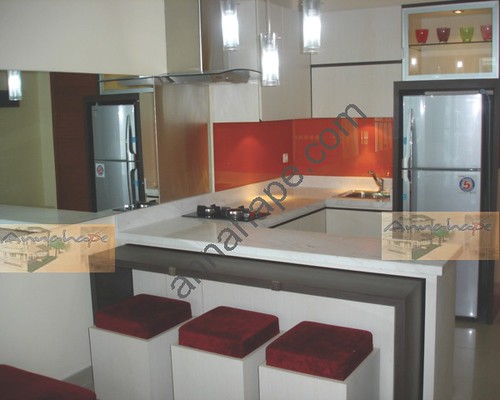
The kitchen is the center of the Saudi home, and the intensity of daily cooking — with its heavy use of oils — makes a powerful range hood a necessity rather than a luxury. Meanwhile, new villas and apartments are shifting decisively toward built-in appliances: ovens, ceramic hobs, and elegant pyramid or concealed hoods. Massive housing programs delivering thousands of units a year create institutional demand from developers and kitchen companies on top of the retail and replacement market. This is a high-value category where a serious importer can build a strong brand with excellent margins — provided quality and sizing are engineered for the Saudi market from day one.
Why China for This Category
Shunde district in Foshan, Guangdong, is the home-appliance capital of China and arguably the world, together with neighboring Zhongshan. The clusters there manufacture range hoods, built-in ovens, and hobs for prestigious global brands, backed by a complete supply chain: extraction motors, tempered glass, stainless steel, and touch-control boards. Practically, this means you can produce a full range under your own brand with specifications rivaling European products at roughly a third of the price, from factories already fluent in Gulf requirements — voltage, plugs, and Arabic packaging included.
Where to Source and How to Verify
Start at the appliance exhibitions in Guangzhou and Shunde and compare factories on engineering, not brochures. For hoods, demand measured airflow in cubic meters per hour (roughly 700 and above suits intensive Gulf cooking) and noise level in decibels, and inspect motor quality and filter types. For built-in ovens, verify the thermal insulation of double or triple-glazed doors, thermostat accuracy, and hinge quality. Run samples continuously for days, and confirm the factory has an in-house testing lab and prior export experience to Saudi Arabia specifically. A supplier that asks about your market's cutout dimensions before quoting is usually a supplier worth shortlisting.
The Most Common Quality Pitfalls
- Inflated suction figures that collapse under real measurement, leaving the hood useless against heavy cooking.
- Motors that whine loudly or overheat in extended use.
- Thin or coated stainless steel that rusts and holds fingerprints permanently.
- Weak oven insulation that leaves the outer door dangerously hot for children.
- Touch panels that fail within months under heat and steam.
Certifications and Customs Notes
Hoods and electric ovens are household appliances under SASO technical regulations, with mandatory SABER platform registration and a certificate of conformity covering electrical safety, energy-efficiency requirements and labels where applicable, and Arabic labeling. Gas ovens and hobs carry additional safety conditions and dedicated test reports — treat them as a separate compliance file and confirm the gas regulation matches cylinder types used in Saudi Arabia. Prepare conformity documents before production begins, and budget approximately 5% customs duty plus 15% VAT at clearance through Jeddah Islamic Port or King Abdulaziz Port in Dammam. Sea freight from Guangdong runs approximately 18 to 30 days.
Costs, MOQs, and Lead Times
Approximate ex-factory pricing: pyramid and angled hoods USD 30 to 90 depending on size and motor, concealed built-in hoods USD 25 to 60, built-in electric ovens USD 80 to 200, and built-in ceramic hobs USD 25 to 80. MOQs typically run 100 to 300 units per model, and you can compose a mixed container of hoods, ovens, and hobs as a complete range for kitchen companies. Production takes 25 to 40 days. Order installation hardware and spare parts — hinges, filters, switches, control knobs — with the first shipment: after-sales service is how the Saudi market judges an appliance brand, and it is also a profitable line in its own right.
Common Mistakes Importers Make
The most dangerous: importing sizes that do not match the standard cutouts of Saudi kitchens so installers reject them, omitting Arabic installation manuals, economizing on insulation and motor quality where the defect only appears after the sale, expanding without even a minimal service network, and paying the final balance without a random functional test of shipment samples at the factory.
The golden rule: in built-in kitchen appliances, the correct standard cutout size and real after-sales service sell more than any marketing campaign.
The Terrace International field team in Guangzhou and Shenzhen sits an hour from the Shunde factories: we select the right manufacturer, negotiate, run functional pre-shipment testing, and manage your SASO and SABER file and freight to the port. Get in touch and enter the built-in appliance market through the right door.
Related Articles

Product Import Guides
Importing Tablets and E-Readers from China to Saudi Arabia
Jul 16, 2026
Product Import Guides
Importing Car Dash Cams and In-Car Electronics from China to Saudi Arabia
Jul 14, 2026
Product Import Guides
Importing EV Chargers and Charging Stations from China to Saudi Arabia
Jul 12, 2026