Importing Kitchen Sinks and Faucets from China to Saudi Arabia
Jun 18, 2026
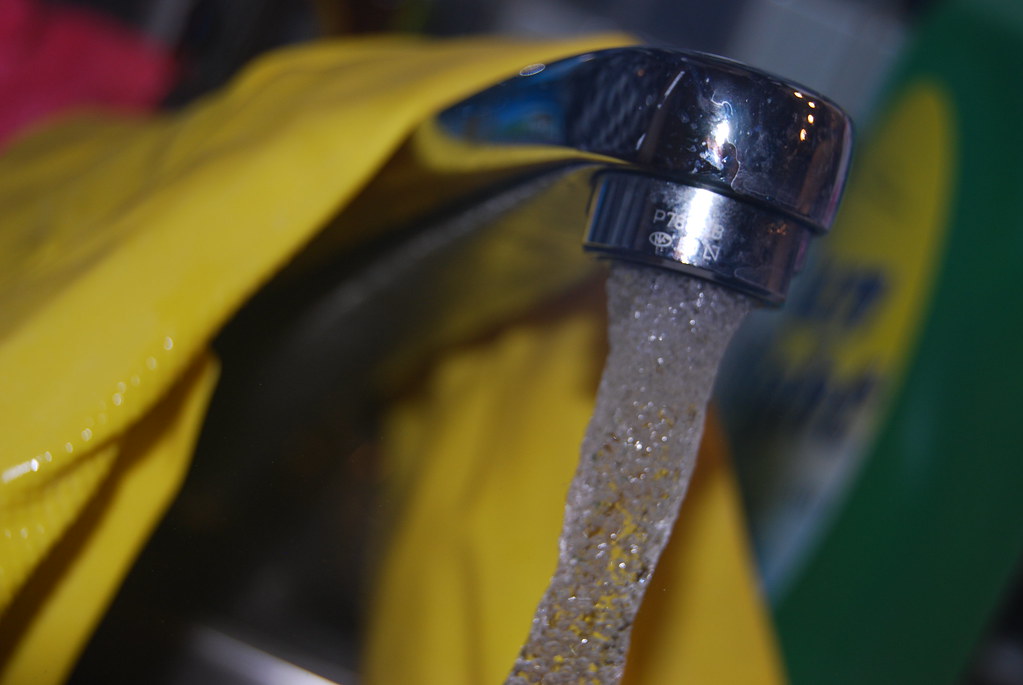
Saudi Arabia's construction and fit-out sector is riding an exceptional wave, driven by housing programs, giga-projects, and a steady flow of kitchen renovations in existing homes — and every kitchen needs at least one sink and one faucet. Stainless-steel sinks, composite granite sinks, and kitchen mixers are bought in bulk by contractors and restocked constantly by sanitary-ware shops, and margins are excellent for importers who buy directly from the factory instead of through local middlemen. It is a durable, unglamorous category that quietly builds wealth for traders who take quality seriously.
Why China for This Category
China hosts the largest sanitary-ware manufacturing clusters in the world. Kaiping in Guangdong is known as China's faucet capital, with thousands of factories and a complete supply chain for brass, ceramic cartridges, and plating; stainless-steel sink production concentrates in Jiangmen, Ningbo, and Foshan; and composite granite sinks come from specialized plants across Guangdong and Zhejiang. This density gives you the full spectrum from budget to premium, plus the ability to produce sizes matched to common Saudi kitchen cutouts and to build your own brand with OEM packaging.
Where to Source and How to Verify
For faucets, quality comes down to three things: a genuine brass body, a ceramic cartridge from a known supplier, and multi-layer chrome plating. Ask the factory for plating-thickness and salt-spray test reports, and cut a sample body open to verify the metal — zinc alloy dressed up as brass is the oldest trick in this trade. For sinks, verify the stainless grade (304 is the benchmark for good product) and sheet thickness, which should be approximately 0.8 to 1.0 mm or better for solid domestic use, then check weld quality and the sound-deadening pads underneath. Visiting the Canton Fair or the sanitary-ware exhibitions around Foshan compresses months of screening into days, and a factory audit tells you whether they run their own polishing and plating lines or outsource them.
The Most Common Quality Pitfalls
- Zinc-alloy faucet bodies sold as brass that corrode and leak within months.
- Thin chrome plating that peels quickly, especially with high-salinity water.
- Low-grade cartridges that start the maddening drip after light use.
- Grade-201 stainless marketed as 304 that rusts in kitchen conditions.
- Thin-gauge sinks that ring loudly and dent at the first impact.
Certifications and Customs Notes
Faucets and fittings that contact drinking water fall under Saudi conformity requirements and must be registered on the SABER platform with a certificate of conformity under the relevant SASO and GSO standards, typically covering materials in contact with potable water, lead-leaching limits, and water-efficiency requirements. Request recent test reports from recognized laboratories, and make sure product and packaging labeling is correct before shipment — plumbing products are among the categories customs officers examine closely. At clearance, plan for customs duty of approximately 5% plus 15% VAT on the CIF value at Jeddah Islamic Port or King Abdulaziz Port in Dammam.
Costs, MOQs, and Lead Times
Approximate ex-factory pricing: budget kitchen mixers USD 5 to 12, mid-range brass-body mixers USD 12 to 30, and premium pull-out designs USD 25 to 60. Stainless sinks run USD 10 to 40 depending on gauge and size, and composite granite sinks approximately USD 30 to 80. MOQs are usually 100 to 500 pieces per model, and most suppliers will help you consolidate a mixed container of sinks, faucets, and accessories. Production takes roughly 25 to 35 days, then sea freight to Jeddah or Dammam adds approximately 18 to 30 days. Weight is the decisive freight factor in this category, so calculate cost per kilogram precisely, and remember that reinforced packaging is cheap insurance compared with a container of scratched, dented sinks.
Common Mistakes Importers Make
The big ones: buying faucets on price alone without checking the metal and cartridge, ignoring spare parts and accessories such as hoses and strainers that win shop loyalty, skimping on reinforced packaging so sinks arrive scratched and dented, failing to match sizes to the cutouts common in Saudi kitchens, and paying the full balance without a random pre-shipment inspection at the factory.
The golden rule: in sanitary ware, the metal you cannot see matters more than the shine you can — inspect the body and the cartridge before anything else.
The Terrace International field team in Guangzhou and Shenzhen walks the factories of Kaiping and Foshan on your behalf: supplier comparison, negotiation, pre-shipment quality inspection, and full SABER and customs handling to the port. Contact us and build your sanitary-ware line on a solid foundation.
Related Articles

Product Import Guides
Importing Tablets and E-Readers from China to Saudi Arabia
Jul 16, 2026

Product Import Guides
Importing Car Dash Cams and In-Car Electronics from China to Saudi Arabia
Jul 14, 2026
Product Import Guides
Importing EV Chargers and Charging Stations from China to Saudi Arabia
Jul 12, 2026